Iran's Shayan Network exposes oil-sales sanctions evasion flaws
In brief
- Shayan Network, allegedly run by Iran's Intelligence Ministry, exports millions of barrels of sanctioned crude oil.
- Intermediaries owe billions from earlier sales, raising questions about Tehran's reliance on the same operators.
- Iran uses shadow fleet tactics, front companies in UAE, Hong Kong, and China to obscure oil shipments.
How the Network Operates
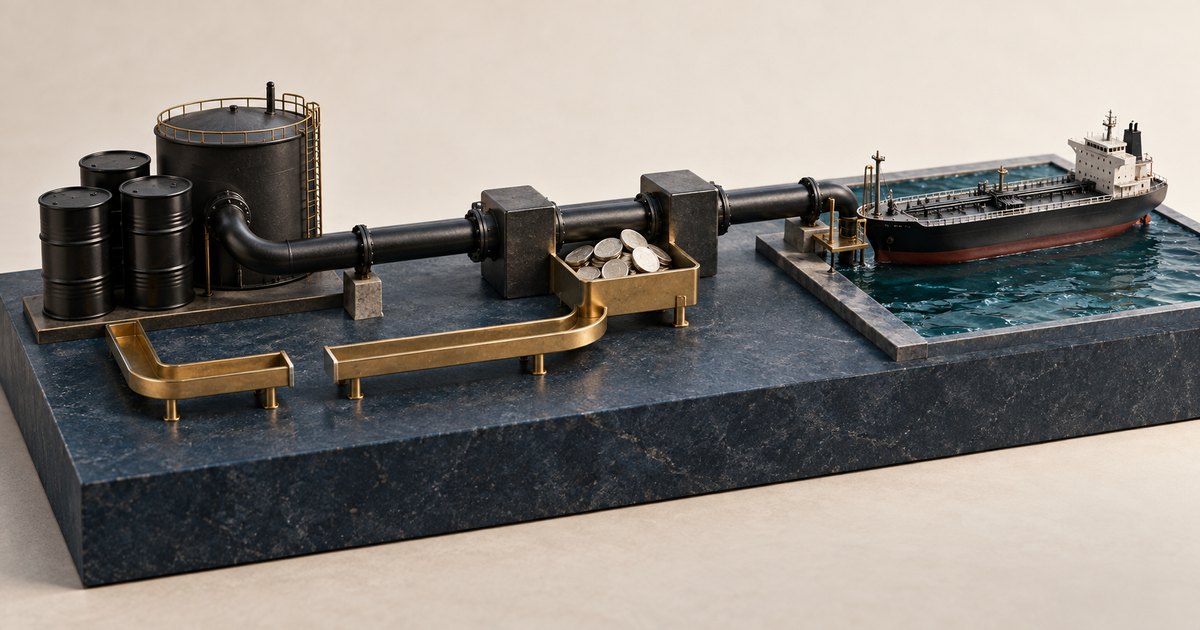
The Shayan Network relies on so-called trustee middlemen who manage the logistics of moving sanctioned barrels from Iranian ports to end buyers. The operation spans multiple jurisdictions—Iran has built an elaborate infrastructure of front companies and intermediaries spread across the UAE, Hong Kong, and China to circumvent US sanctions.
To hide the origin of cargo, these intermediaries use shadow fleet tactics, including ship-to-ship transfers at sea. This obscures ownership and makes enforcement harder for Western regulators. The US Treasury has already responded, having sanctioned dozens of entities and vessels tied to what officials have called the Shamkhani network, which transports millions of barrels of crude and liquefied petroleum gas.
The Revenue Problem
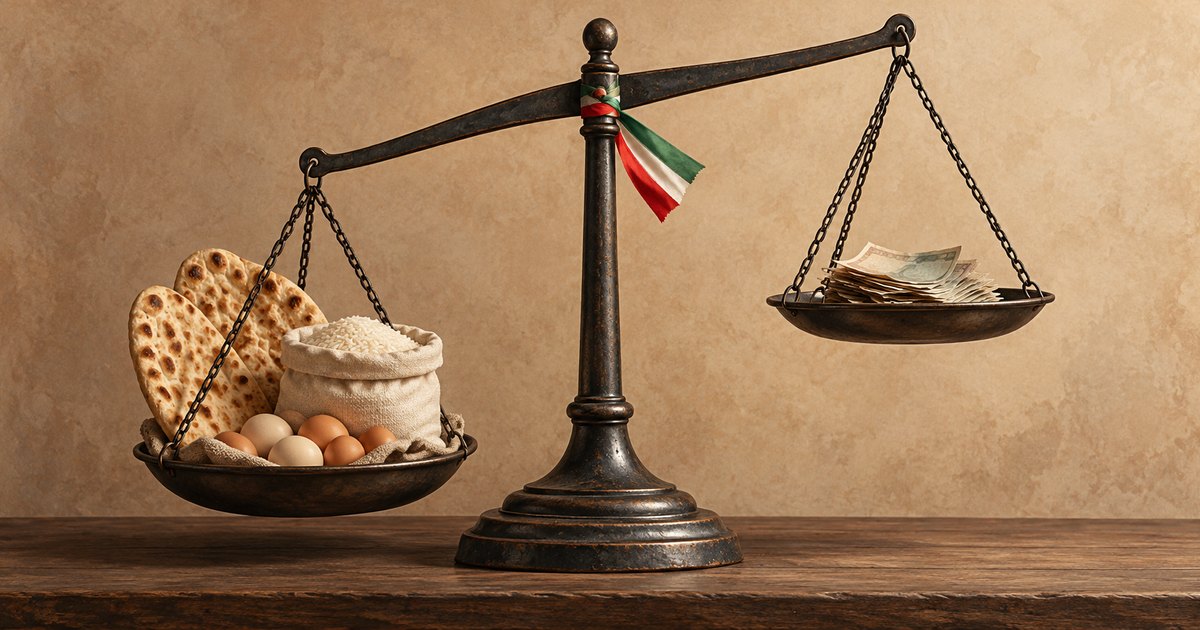
What makes the Shayan Network's emergence particularly damaging is that the network's participants reportedly still owe billions of dollars from earlier sales. This isn't a new problem. The case of Babak Zanjani, a businessman who served as one of Iran's most prominent oil intermediaries, illustrates the pattern. Zanjani was eventually sentenced to death by an Iranian court, though the money was never fully recovered.
Yet Tehran continues to rely on similar operators. It's a structural flaw—Iran depends on intermediaries it can't fully control, and those intermediaries pocket revenue that never reaches Iranian state coffers.
Market Dynamics
Chinese refiners have become the primary buyers of Iranian crude. Chinese refiners, particularly independent operators known as "teapots," have been the most willing buyers of discounted Iranian crude. The discount exists because Iranian crude trades at a significant discount to international benchmarks precisely because of the legal and logistical risks involved in purchasing it.
This creates a compounding loss for Iran. Sanctions force discounts. Intermediaries take cuts. And now, billions sit unreturned in the hands of the very operators Tehran hired to help it evade those sanctions in the first place.