Israeli strike on Karun petrochemical plant escalates Iran tensions
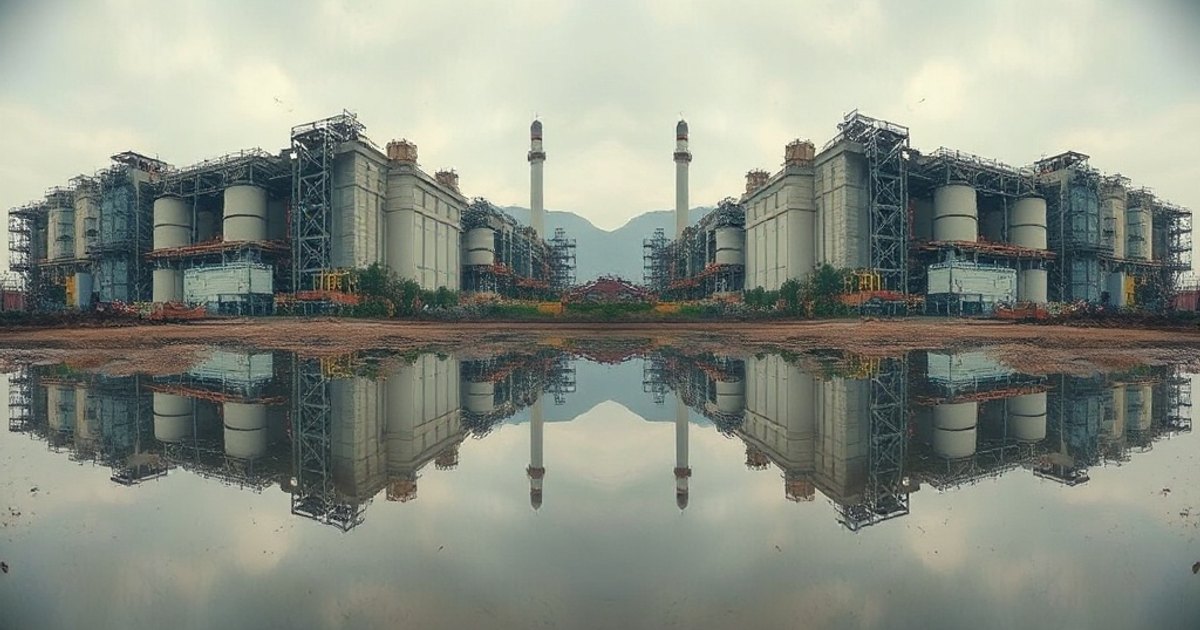
In brief
- Israeli projectiles struck Karun plant in Mahshahr, Iran on June 8, damaging specialty chemical production facilities.
- Karun produces 40,000 tonnes annually each of TDI and MDI, key polyurethane foam and insulation precursors.
- Iran's Revolutionary Guard signaled expanded retaliation, including potential strikes on energy infrastructure and Strait of Hormuz.
Facility and Chemical Output
Israeli projectiles struck the Karun Petrochemical Plant in Mahshahr, operated by the Karoon Petrochemical Company. The plant specializes in producing isocyanates — specifically toluene diisocyanate (TDI) and methylene diphenyl diisocyanate (MDI). Each chemical carries a production capacity of 40,000 tonnes per year.
TDI and MDI are chemical building blocks for polyurethane foams, coatings, and adhesives used in everything from car seats to home insulation. Damage to this facility threatens global supply chains for these essential materials. Daytime employees across the Mahshahr Petrochemical Special Economic Zone were evacuated following the attack.
Escalation and Retaliation Signals
Israeli forces confirmed hits on multiple sites linked to what they described as Iran's ballistic missile program within the broader Mahshahr petrochemical complex. Similar Israeli assaults on Iranian military and industrial facilities occurred in April 2026, establishing a pattern of strikes targeting Iran's defense and industrial capabilities.
Iran's Islamic Revolutionary Guard Corps condemned the attack and signaled what it called "expanded retaliation options," with particular emphasis on targeting energy infrastructure. The threat carries real weight: roughly 20% of the world's oil passes through the Strait of Hormuz, the narrow waterway separating Iran from the Gulf states. The Mahshahr petrochemical zone itself sits in Khuzestan Province, Iran's oil-rich southwestern region bordering Iraq.
Market Risk
If Iran follows through on threats to strike at energy assets—whether Israeli, Gulf state, or shipping infrastructure in the Strait of Hormuz—the consequences for global oil prices could be severe. Specialty chemical shortages would ripple through automotive, aerospace, and construction sectors already navigating supply constraints. The incident underscores how regional military action now carries direct consequences for global commodity markets and industrial production.