Japan adds Russian crypto exchange Garantex to asset-freeze list in Russia sanctions
In brief
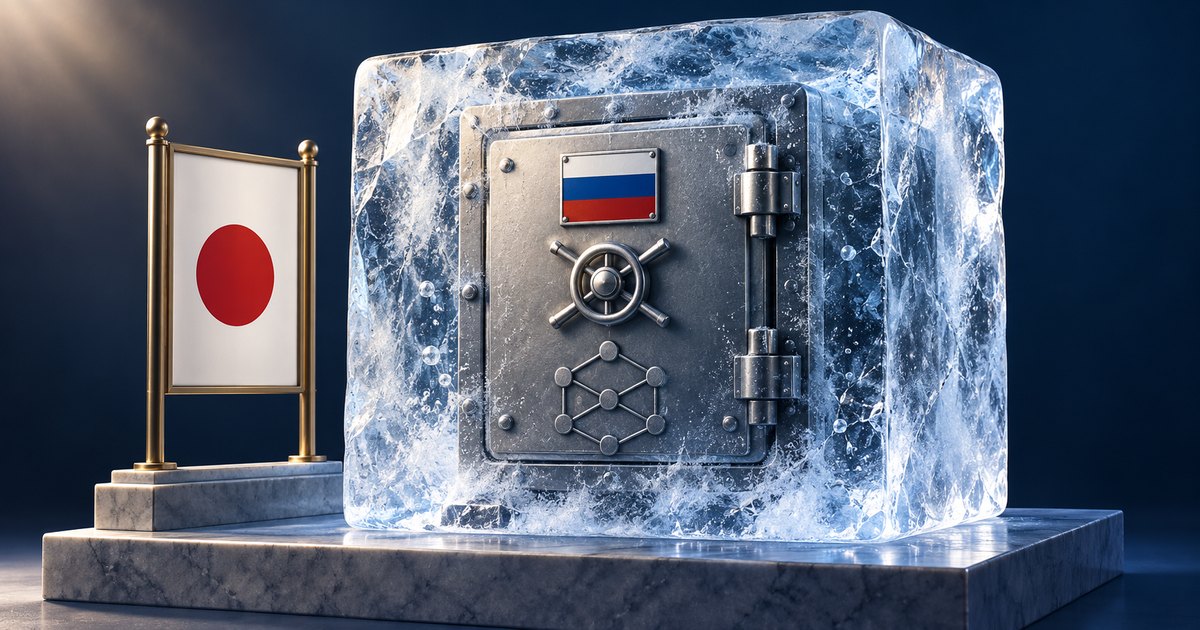
- Japan added Russian crypto exchange Garantex to its asset-freeze list, citing the war in Ukraine.
- Japan's package also lists 33 organizations, nine individuals and 35 shadow-fleet vessels.
- The US, the EU and other jurisdictions had already sanctioned Garantex.
- TRM Labs said sanctions may be ineffective because such entities prepare contingency plans in advance.
What Japan's package covers
Garantex wasn't the only name on the list. Japan added 33 organizations and nine individuals linked to Russia to its asset-freeze list, according to the government statement. The measures also target 35 vessels identified as part of the so-called "shadow fleet" (the ships that carry Russian oil and help Moscow evade existing sanctions), and they restrict services such as repairs and insurance for those designated vessels.
The stated goal is economic. Through the sanctions, Japan said it aims to help reduce Russia's earnings from crude oil exports.
A familiar target
Japan isn't the first to move on Garantex.
The exchange had previously been sanctioned by the US, the EU and other jurisdictions for helping Russian entities evade financial restrictions. The US Treasury's Office of Foreign Assets Control then sanctioned Garantex a second time, along with its successor, Grinex.
That second round is useful context. Cointelegraph reported in August 2025 that, according to blockchain intelligence firm TRM Labs, Garantex may already have had a contingency plan to skirt the impact of US actions. If that's right, the first set of designations didn't do the job by itself, and regulators had to come back for the successor platform too.
Do sanctions on crypto exchanges stick?
TRM Labs has questioned it directly.
TRM Labs said in a report that the sanctions may be ineffective, as entities like Garantex “appear to prepare contingency plans well in advance of anticipated enforcement measures,”
According to TRM, that advance planning lets entities like Garantex quickly move clients, infrastructure and funds over to successor platforms. That's TRM's assessment, not a conclusion stated by any of the governments involved, and it doesn't speak to how Japan's listing will play out specifically.
What Japan's statement does make clear is the scope. Tokyo has now put a crypto exchange on the same asset-freeze list as Russia-linked organizations and individuals, alongside service restrictions on 35 shadow-fleet vessels, and it framed the package around the war in Ukraine and Russia's oil revenue.
Frequently asked questions
Why did Japan sanction Garantex?
Japan added Garantex to its asset-freeze list as part of expanded Russia sanctions tied to the continuing war in Ukraine, according to a joint statement from three Japanese ministries. The listing restricts payments and capital transactions with the exchange. The US, the EU and other jurisdictions had already sanctioned Garantex for helping Russian entities evade financial restrictions.
What else did Japan's new Russia sanctions target?
Japan added 33 organizations and nine individuals linked to Russia to its asset-freeze list. It also targeted 35 vessels identified as part of the so-called shadow fleet that carries Russian oil, restricting services such as repairs and insurance for them. Japan said the aim is to help reduce Russia's earnings from crude oil exports.
Are sanctions on crypto exchanges like Garantex effective?
TRM Labs said in a report that sanctions may be ineffective because entities like Garantex prepare contingency plans in advance. According to TRM, that lets them quickly move clients, infrastructure and funds to successor platforms. OFAC later sanctioned Garantex a second time, along with its successor, Grinex.