JD Vance Sets Data Center Condition: Add Power to Grid, Not Draw

In brief
- Vance mandates data centers add power to grid, not draw from it, preventing higher electricity bills
- Pike County, Ohio project: 10 GW power generation alongside SB Energy data center campus
- Private companies fund estimated $4.2 billion in grid infrastructure upgrades
- AI electricity demand could exceed 10% of total US consumption by 2030
The Pike County Model
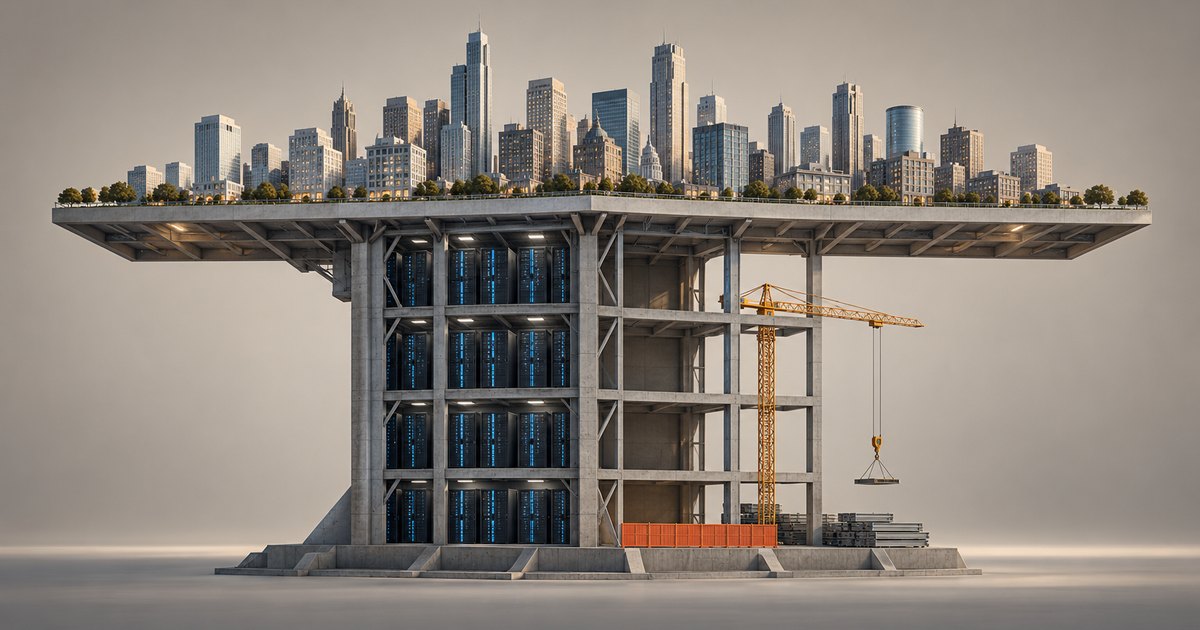
The Pike County project, led by SB Energy, calls for constructing 10 GW of new power generation capacity alongside the data center campus itself. That's roughly enough electricity to power around 7.5 million homes. Of the 10 GW planned, 9.2 GW would come from natural gas generation. Private companies would fund an estimated $4.2 billion in grid upgrades necessary to support the project.
Vance's argument is straightforward. Data centers should lower electricity costs for citizens, and the data centers can afford to do so. By requiring new generation capacity built alongside AI infrastructure, the policy forces tech firms to internalize energy costs rather than passing them to consumers through higher grid demand.
Broader Context and Scale
AI-related electricity consumption could surpass 10% of total US electricity use by 2030. That scale makes the energy question urgent. The PJM Interconnection region, covering 13 states and Washington, D.C., has become ground zero for data center development due to its proximity to major population centers and fiber optic infrastructure.
Vance's policy aligns with broader initiatives established during the Trump administration that require major tech firms to contribute to energy infrastructure costs for AI facilities. Tech companies will need to price these energy costs into their AI business models. It's a shift from the status quo, where grid operators and ratepayers have absorbed much of the cost burden.
The precedent is significant. If Pike County succeeds, other regions may adopt similar requirements, compelling the AI industry to think differently about where and how it builds.