Kazakhstan allows crypto miners to use excess oil field gas
In brief
- President Tokayev signed decree July 8 enabling oil producers to convert associated petroleum gas into off-grid electricity for crypto mining.
- Policy tackles gas flaring waste while providing miners cheap stranded energy without straining the national grid.
- Kazakhstan became world's second-largest Bitcoin mining hub after China's 2021 mining ban.
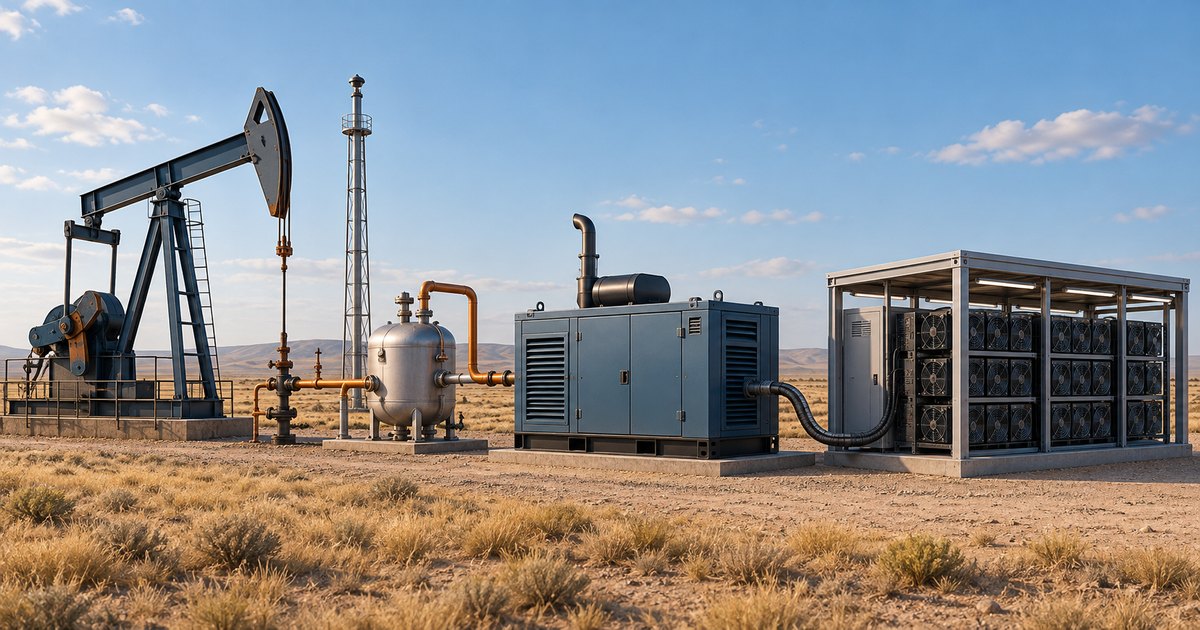
- Associated gas from oil extraction is normally burned at wellheads due to prohibitively expensive pipeline infrastructure.
- Tax exemptions for gains from licensed domestic digital asset platforms accompany the mining decree.
Turning Waste Into Power
Associated gas from oil extraction is often burned off at wellheads because building pipeline infrastructure to capture and transport it is prohibitively expensive. Bitcoin miners can be containerized and deployed on-site at wellheads without requiring grid connections, making them an ideal customer for this stranded energy. Converting flare gas to electricity for mining doesn't eliminate emissions entirely, since the gas is still combusted, but it captures far more energy content than open flares.
Companies like Crusoe Energy have already built businesses around this model in US states like North Dakota and Wyoming. Kazakhstan's decree applies the same logic to its own oil fields, where it could reshape the country's relationship with crypto mining.
A Second Act for Mining
When China abruptly banned crypto mining in 2021, miners scattered across the globe looking for cheap electricity and permissive regulation. Kazakhstan became the world's second-largest Bitcoin mining hub, but that boom didn't last. Mining operations consumed about 8% of the country's total electricity supplies at one point, triggering backlash. The Kazakh government, facing energy shortages partly driven by the mining surge, introduced stricter energy regulations and imposed higher costs on miners, causing operations to relocate.
The new decree removes that friction. Miners using flare gas wouldn't be straining the national grid, which removes the political friction that derailed earlier operations. The initiative was developed in collaboration with Kazakhstan's Ministry of Artificial Intelligence and Digital Development.
Broader Tax Incentives
The decree also introduces personal income tax exemptions for gains from transactions conducted on licensed domestic digital asset platforms. This signals a broader effort to court crypto activity, not just mining. Whether the flare-gas model gains material adoption depends on oil producers' willingness to invest in containerized mining infrastructure and the regulatory stability of the next few years.
Frequently asked questions
Why would crypto miners want flare gas instead of grid power?
Flare gas is stranded energy that oil producers currently burn off at wellheads because building pipeline infrastructure is prohibitively expensive. Miners can be containerized on-site and access this cheap electricity without grid connections, solving both the energy waste problem and giving miners low-cost power.
How does this differ from Kazakhstan's previous mining boom?
Previously, mining operations consumed about 8% of Kazakhstan's total electricity, straining the national grid and triggering government backlash. Using flare gas removes that grid strain entirely, eliminating the political friction that forced miners to relocate.
Does converting flare gas to mining electricity reduce emissions?
It reduces waste compared to open flaring, capturing more energy content. However, the gas is still combusted in the process, so emissions aren't eliminated entirely, just redirected from pure flares to productive electricity generation.