London SIM-swap fraudster jailed for 2.5 years for role in almost £200,000 crypto theft
In brief
- Ajay Shinjin, 25, was sentenced to two and a half years at Inner London Crown Court.
- Almost £200,000 in crypto was stolen after BT customers' numbers were hijacked in 2021, police said.
- Shinjin received more than £44,000, spent on Dubai trips, a Canary Wharf flat and gold grills, police said.
- UK SIM-swap cases rose 402% in the first half of 2026, Cifas reported.
How the scheme worked
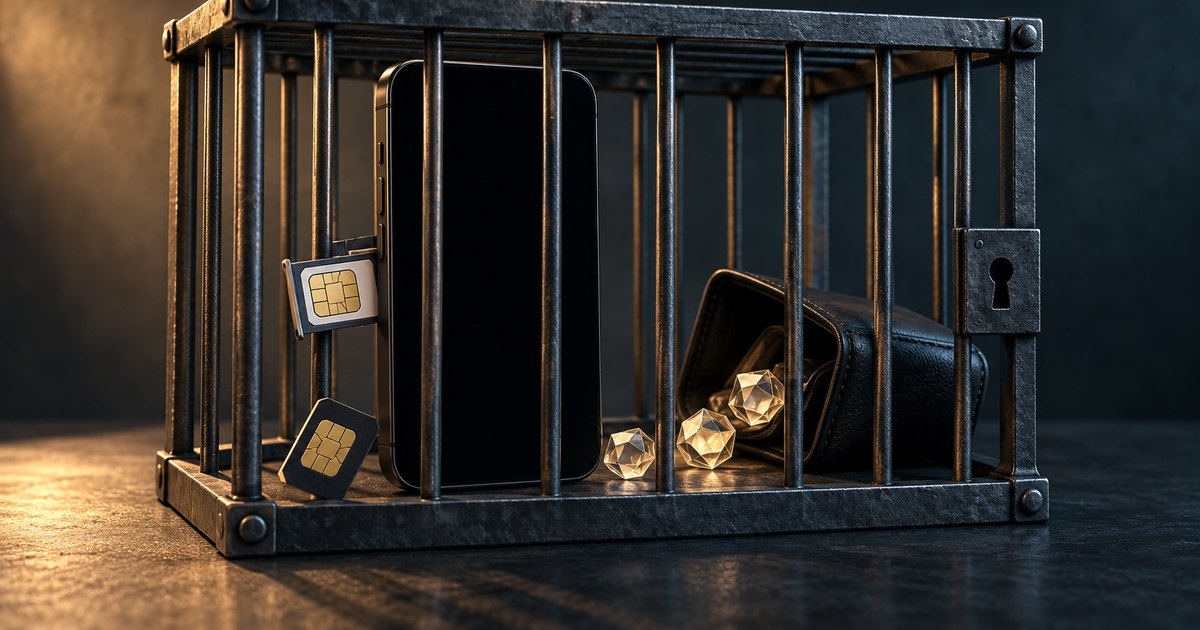
In a SIM swap, criminals take control of a victim's phone number by having it transferred to a SIM card they control. That lets them receive the one-time passcodes sent by text.
BT identified unauthorized activity on its systems in early November 2021, through which customer phone numbers had been moved to criminals' SIM cards. The company traced the devices used to receive the numbers. Its data led police to several suspects, including Shinjin, who was linked to four of those devices.
Where the money went
According to City of London Police, one victim lost about £40,000 in crypto on November 2, 2021, and Shinjin received about £27,000 of it into his personal crypto account. All of a second victim's roughly £17,000 ended up in his wallet. He also helped steal about £8,000 from a third victim's Coinbase account and about £130,000 from a fourth, police said.
His own cut came to more than £44,000. Police said he spent it on luxury holidays in Dubai, a high-end apartment in Canary Wharf and gold-plated teeth grills.
Shinjin was first arrested at his flat in 2021. Police re-arrested him at Heathrow Airport in October 2023 (on his return from Dubai) after further evidence came to light. He gave no comment in police interviews.
"SIM-swap fraud is a sophisticated and increasingly concerning form of offending, and this case demonstrates the devastating consequences it can have for victims," said Detective Constable Simon Ardeman of City of London Police.
SIM swaps are climbing
It's not a one-off. Cifas reported in August that unauthorized SIM-swap cases recorded to the UK's National Fraud Database rose 402% in the first half of 2026 compared with the same period a year earlier. Cifas said the rise reflects SIM swaps increasingly being used to intercept security codes and bypass account protections.
That's the piece crypto users can't ignore.
Mark Birchall, staff cybersecurity editor at Norton, recommends using an authentication app for two-factor authentication rather than text messages. He also advises setting a separate PIN or passcode with your mobile carrier where possible, and turning on account takeover protection where it's offered.
Frequently asked questions
How does a SIM-swap attack work?
In a SIM swap, criminals take control of a victim's phone number by having it transferred to a SIM card they control. That lets them receive one-time passcodes sent by text. In this case, BT identified unauthorized activity in November 2021 through which customer numbers were moved to criminals' SIM cards.
How can crypto users protect themselves from SIM swaps?
Mark Birchall, staff cybersecurity editor at Norton, recommends using an authentication app for two-factor authentication rather than text messages. He also advises setting a separate PIN or passcode with your mobile carrier where possible and enabling account takeover protection where it's offered.