Malaysia, Thailand central banks join Singapore's BLOOM stablecoin initiative
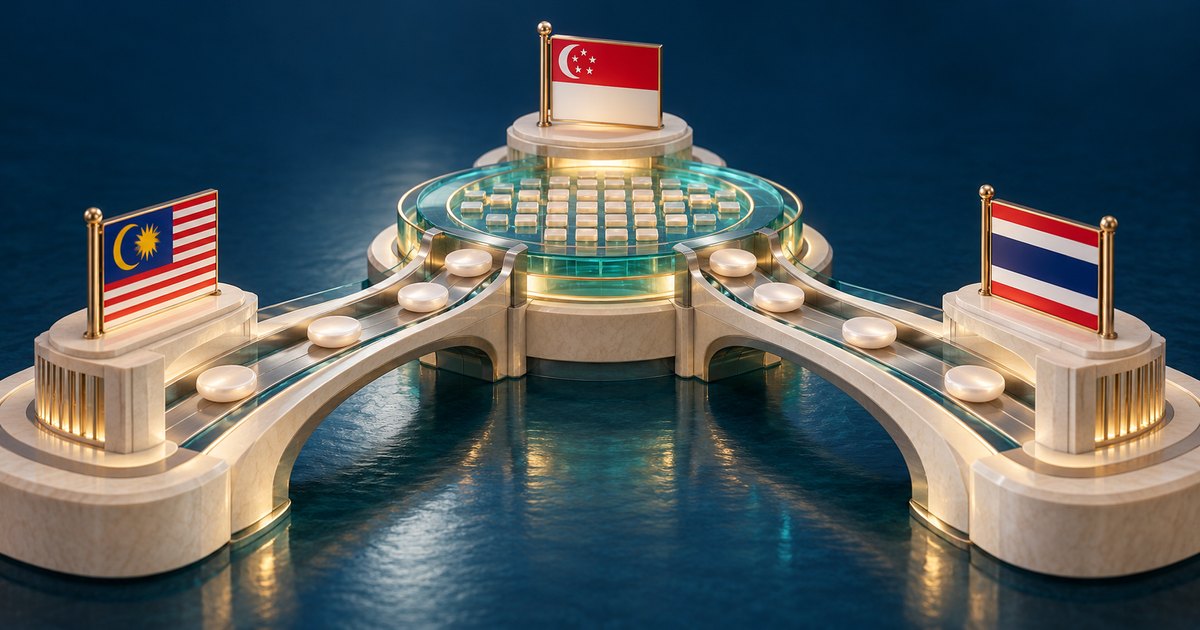
In brief
- Bank Negara Malaysia and the Bank of Thailand joined BLOOM on Friday as policymaker members.
- BLOOM helps financial institutions use stablecoins and tokenized deposits for cross-border payments.
- MAS launched BLOOM in October 2025, building on 2021's Project Orchid.
- Airwallex, Mastercard, Ripple, Visa and the World Bank Group are among BLOOM participants.
- Malaysia separately plans to test ringgit stablecoins and tokenized deposits in 2026.
What BLOOM actually does
BLOOM is short for Borderless, Liquid, Open, Online, Multi-currency. The acronym's a mouthful, but the aim is narrow and practical: help financial institutions move money across borders using stablecoins and tokenized deposits.
It didn't start from scratch. MAS launched BLOOM in October 2025, building on Project Orchid, which began in 2021 to explore uses for a digital Singapore dollar.
So what's in it for institutions? According to the Monetary Authority of Singapore, as cited by Cointelegraph, BLOOM aims to cut costs and help institutions bring services to market faster by reducing the need to set up arrangements with each counterparty or market (in other words, less one-by-one setup every time a firm adds a new counterparty or market).
The work doesn't stop at payments. BLOOM also covers corporate cash management, trade finance and payments carried out by AI agents within predefined limits.
That last item is the one worth watching.
Who's at the table
Cointelegraph reported that BLOOM's participants include Airwallex, Mastercard, Ripple, Visa and the World Bank Group. Malaysia's and Thailand's central banks now sit alongside them as policymaker members.
The report doesn't spell out what that membership commits either central bank to. It's a seat at the table, as described, and nothing more specific than that has been disclosed.
Malaysia's parallel ringgit track
Malaysia's BLOOM membership lands next to a separate domestic effort. Bank Negara Malaysia announced in February that three initiatives would test ringgit stablecoins and tokenized deposits for domestic and cross-border wholesale payments in 2026, according to Cointelegraph.
That gives the ringgit two tracks on stablecoins and tokenized deposits: a home-grown testing program run under Bank Negara Malaysia, and a policymaker seat inside Singapore's multi-currency initiative, which counts card networks, a payments fintech, Ripple and the World Bank Group among its participants.
Frequently asked questions
What is Singapore's BLOOM initiative?
BLOOM, short for Borderless, Liquid, Open, Online, Multi-currency, is a public-private initiative meant to help financial institutions use stablecoins and tokenized deposits for cross-border payments. The Monetary Authority of Singapore launched it in October 2025, building on Project Orchid, which began in 2021.
What does BLOOM aim to achieve for financial institutions?
According to the Monetary Authority of Singapore, BLOOM aims to cut costs and help institutions bring services to market faster by reducing the need to set up arrangements with each counterparty or market. Its work also covers corporate cash management, trade finance and payments carried out by AI agents within predefined limits.
Who participates in BLOOM?
Cointelegraph reported that BLOOM's participants include Airwallex, Mastercard, Ripple, Visa and the World Bank Group. Bank Negara Malaysia and the Bank of Thailand joined on Friday as policymaker members.