Meta challenges Ofcom's Online Safety Act fee structure
In brief
- Meta filed a judicial review challenging Ofcom's fee calculation methodology under the Online Safety Act
- Ofcom's fee structure ties penalties to worldwide revenue, creating outsized burden on global tech firms
- Preliminary hearing scheduled for May 7, 2026; substantive hearing set for October 2026
- CCIA and Epic Games back Meta; 5Rights Foundation supports Ofcom's position
The fee structure at stake
Ofcom uses qualifying worldwide revenue (QWR) as its metric to calculate both annual fees and maximum fines for regulated platforms. For companies with QWR exceeding £250 million, fee obligations kick in, with fines reaching up to 10% of QWR or £18 million, whichever is larger. Meta reported roughly $201 billion in global revenue in the prior fiscal year, placing it squarely in the highest bracket.
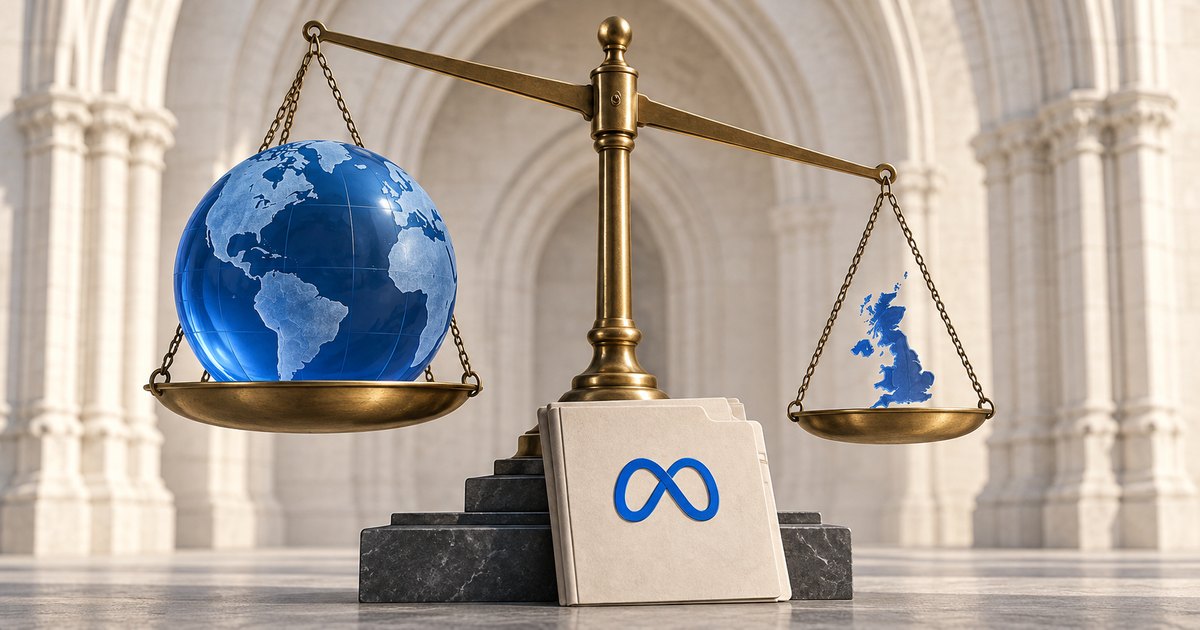
Meta contends that tying fees and penalties to worldwide revenue, rather than UK-specific earnings, creates an outsized burden on global tech firms. The company's core argument: a regulator should base compliance costs on the market it actually oversees, not a company's total planetary revenue. If that logic prevails, it could reshape how other regulators calculate enforcement budgets.
Who's backing whom
The Computer and Communications Industry Association and Epic Games are expected to intervene on Meta's side, while the 5Rights Foundation will back Ofcom. The alignment signals a deeper divide: tech giants and trade groups fear runaway compliance costs, while child-safety advocates worry that scaling back Ofcom's enforcement power could weaken content moderation.
WhatsApp and Instagram, both Meta-owned services, are among platforms appealing their Category 1 designations. Roblox and Quora are also contesting their Category 1 status. These appeals run parallel to Meta's fee challenge but address a separate question: which platforms face the strictest compliance obligations.
What's at stake globally
Ofcom's fees regime was introduced around September 2025, with the first invoices expected to land around September 2026. The timing matters. If the court rules against Meta before invoices arrive, Ofcom could be forced to redesign its model mid-implementation.
If Meta wins, Ofcom may need to redesign its fee structure, potentially shifting to a model based on UK-specific revenue or user numbers. Conversely, if Ofcom prevails, the QWR model becomes a validated template that other regulators could adopt. That precedent would ripple across Europe and beyond, where regulators are watching how Britain enforces the Online Safety Act. The Act received Royal Assent in October 2023, capping years of legislative debate about how to hold tech platforms accountable for harmful content. The Wikimedia Foundation mounted an unsuccessful challenge in 2025 regarding categorization and age-verification obligations, signaling that the Act's scope and cost structure remain contested terrain.
Frequently asked questions
Why is Meta challenging Ofcom's fee structure?
Meta argues that basing fees and penalties on worldwide revenue (QWR) rather than UK-specific earnings creates a disproportionate burden on global tech firms. The company contends that regulators should base compliance costs on the market they actually oversee, not a company's total planetary revenue.
What is the Online Safety Act and when did it take effect?
The Online Safety Act received Royal Assent in October 2023 after years of legislative debate about holding tech platforms accountable for harmful content. Ofcom's fees regime under the Act was introduced around September 2025, with the first invoices expected around September 2026.
What happens if Meta wins this case?
If Meta prevails, Ofcom may need to redesign its fee structure, potentially shifting to a model based on UK-specific revenue or user numbers instead of worldwide revenue. This could influence how other regulators calculate enforcement budgets globally.
Who is backing Meta in this legal challenge?
The Computer and Communications Industry Association and Epic Games are expected to intervene on Meta's side, while the 5Rights Foundation will back Ofcom. The alignment reflects a divide between tech firms worried about compliance costs and child-safety advocates concerned about enforcement power.