Meta's $10B Louisiana data center: economic boost and resource risks
In brief
- Meta announced Hyperion in December 2024, its largest data center in rural Louisiana
- Hyperion spans 4 million square feet with capacity scaling from 2 to 5 gigawatts
- Project creates 500+ direct jobs and 1,000+ indirect positions with $875M contracted locally
- Annual water consumption of 1 billion gallons creates competition with agricultural irrigation
The Scale of Hyperion
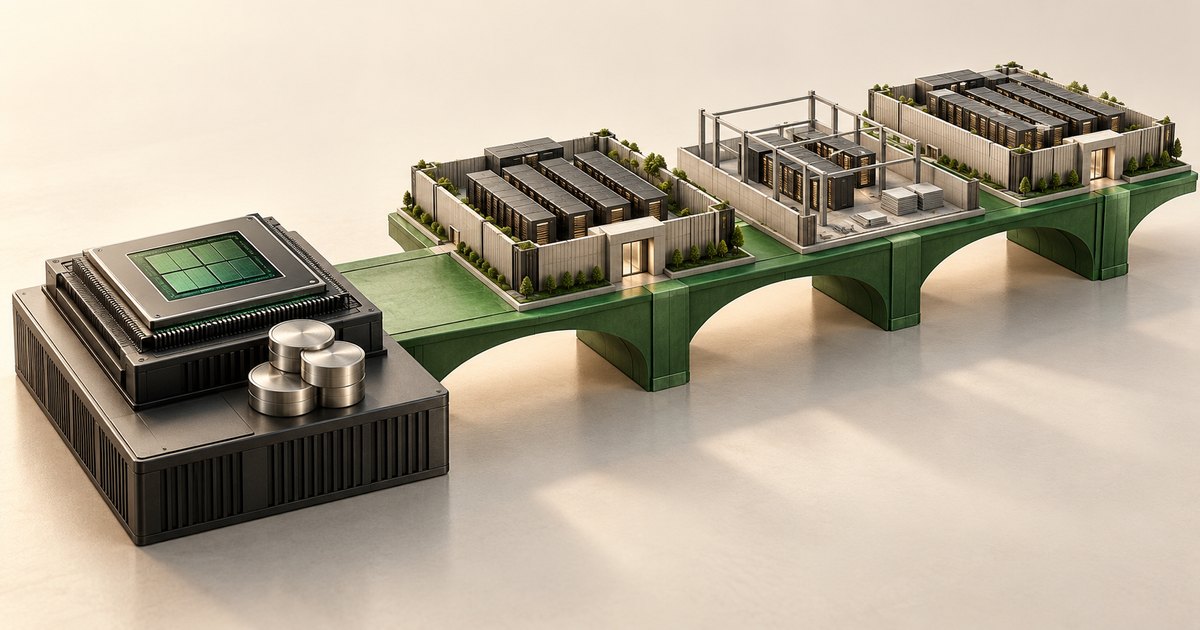
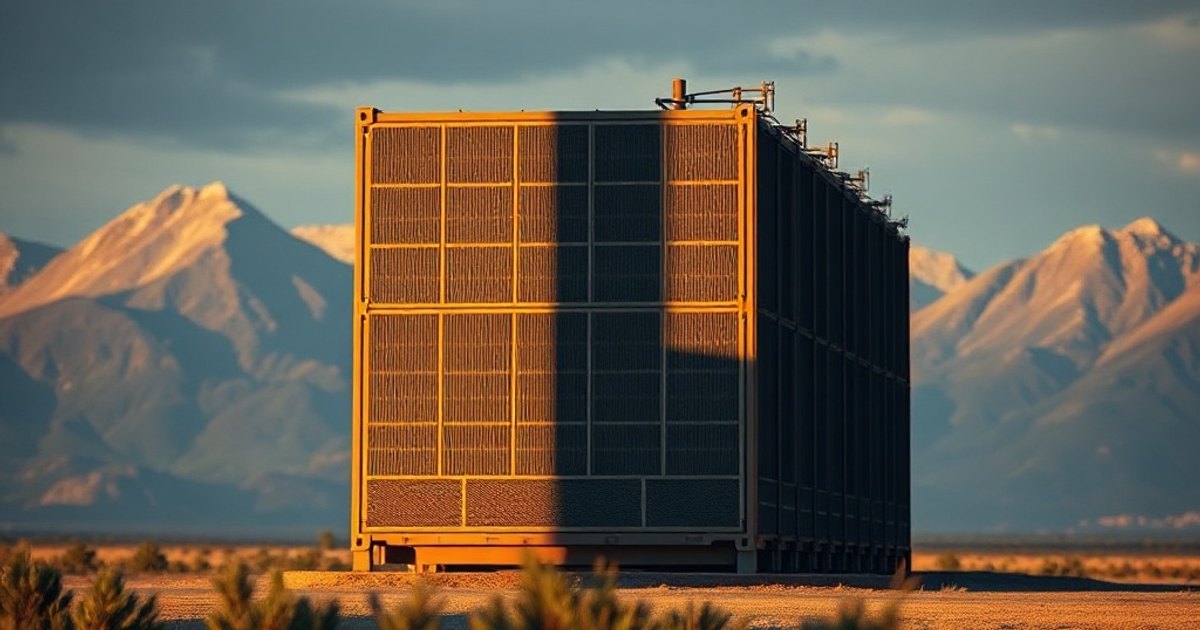
The Hyperion project will span 4 million square feet and focus on AI training workloads. Initial compute capacity is set to exceed 2 gigawatts, with plans to scale up to 5 gigawatts in later phases. Total investment is projected between $10 billion and $27 billion, making it one of the largest infrastructure bets in the region's history.
The economic promise is substantial. Meta expects to generate more than 500 direct jobs and over 1,000 indirect positions tied to the facility's construction. Within roughly a year of breaking ground, Meta has contracted over $875 million with local businesses, demonstrating immediate economic activity. Louisiana's government has approved roughly $3.3 billion in tax incentives for the project, signaling strong state support.
The Water and Energy Challenge
The most contentious issue centers on water. Hyperion is projected to consume up to 1 billion gallons annually from local aquifers, creating direct competition between AI infrastructure demands and agricultural irrigation needs. In a region where farming remains economically vital, this demand creates real tension between old industry and new.
Power demands are equally significant. The facility requires significant new power generation infrastructure from Entergy, the regional utility. The total system impact could reach up to 7.5 gigawatts, a figure that would require substantial natural gas infrastructure buildouts. These buildouts carry their own environmental and cost implications for the region.
Financing and Long-Term Questions
The facility is being financed partly through a joint venture with Blue Owl Capital, announced in October 2025, giving Meta access to outside capital to share the financial load. This partnership structure suggests Meta recognizes the scale of the commitment and the value of spreading risk.
Whether the momentum translates into lasting economic development for Richland Parish depends on factors that won't become clear for years: whether ancillary businesses sprout up around the campus, whether the permanent workforce earns enough to sustain local spending, and whether the water and energy demands create costs that offset the economic gains. The data center itself will transform the parish. Whether that transformation proves sustainable is another question entirely.