Micron breaks ground on $9.3B AI memory plant in Japan
In brief
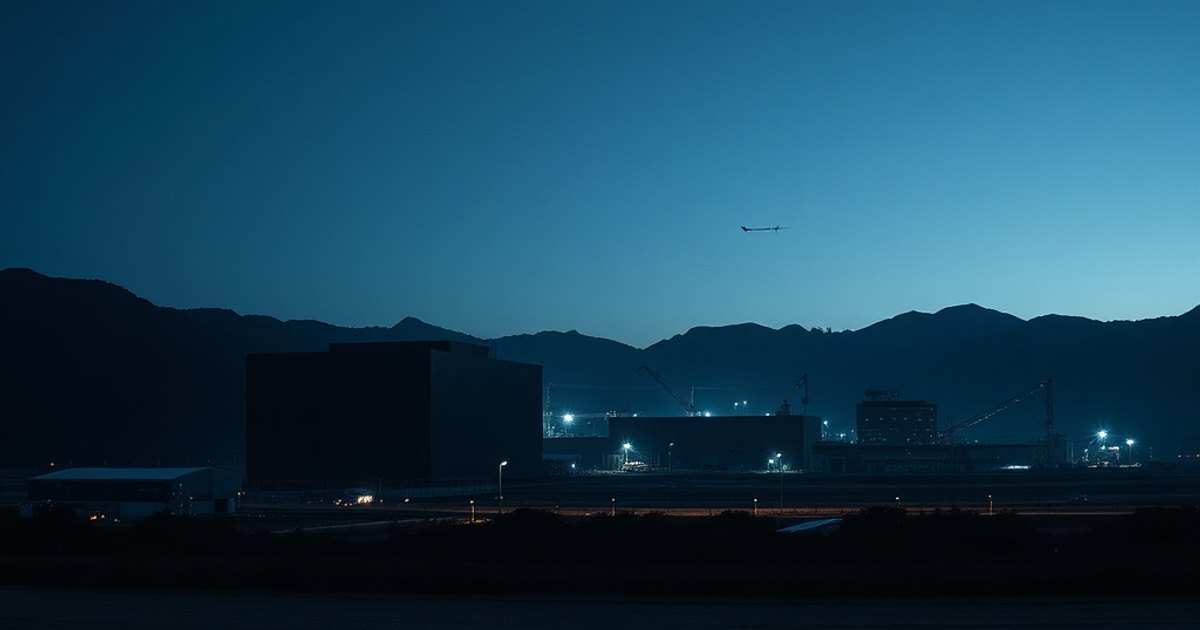
- Micron broke ground on $9.3B–$9.6B HBM facility in Hiroshima on July 4, targeting first shipments by summer 2028.
- Japanese government subsidies exceed $3B, covering roughly one-third of capital expenditure and improving breakeven economics.
- Expansion positions Micron as third major HBM supplier, competing against SK Hynix and Samsung in AI accelerator market.
Micron's Play in the HBM Race
SK Hynix currently dominates the HBM market, supplying Nvidia's most advanced AI accelerators, with Samsung running second. Micron has been the third player attempting to close the gap. "This Hiroshima expansion is its loudest declaration yet that it intends to compete at the top tier," according to Crypto Briefing's analysis. The company already produced its first HBM wafer at the Hiroshima facility, so scaling production here isn't starting from scratch.
Japan's Semiconductor Resurgence
Japan's Ministry of Economy, Trade and Industry has been aggressively courting semiconductor manufacturers as part of a broader strategy to rebuild domestic chip supply chains. Micron's move fits into a wider ecosystem: TSMC is building a fab in Kumamoto, and Rapidus, a Japanese startup backed by government funding, is attempting to manufacture cutting-edge logic chips in Hokkaido.
Micron's ties to Japan run deep. The company acquired Elpida Memory, Japan's last major DRAM manufacturer, out of bankruptcy in 2013. That deal gave Micron the Hiroshima facility and a deep bench of Japanese engineering talent. Now, with government subsidies covering roughly a third of the capital expenditure, the breakeven math gets much friendlier. SK Hynix has a significant head start in HBM production and a tight relationship with Nvidia—but Micron's $9.3 billion bet signals it's willing to invest heavily to compete.