Nvidia's Huang expects Vera Rubin chips to bring $40 billion revenue per gigawatt
In brief
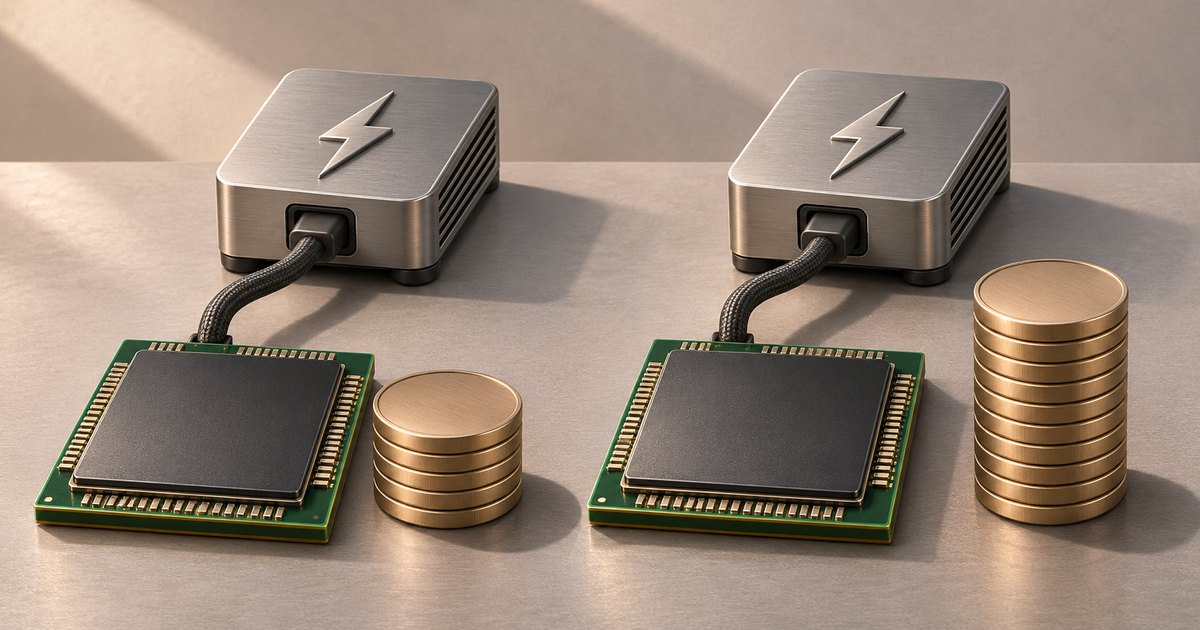
- Nvidia CEO Jensen Huang expects Vera Rubin chips to generate $40 billion in revenue per gigawatt.
- Nvidia's Grace Blackwell platform carries a comparable figure of $25 billion per gigawatt.
- Vera Rubin NVL72 is deployed at CoreWeave, Google Cloud and Microsoft Azure, Crypto Briefing reported.
- Both figures are company expectations, not reported results.
What Huang said
Huang's projection is simple. Nvidia expects Vera Rubin to generate $40 billion in revenue per gigawatt, Crypto Briefing reported, compared with $25 billion per gigawatt for Grace Blackwell. Nvidia's CEO is projecting more revenue per gigawatt from the new platform than from the one he's comparing it against.
That's a $15 billion difference per gigawatt.
The report doesn't say where Huang made the remarks, and it doesn't put a date on when Nvidia expects Vera Rubin to reach that mark. Readers should treat both figures as forward-looking expectations from the company's CEO, not as revenue Nvidia has already reported.
Where Vera Rubin is running
According to Crypto Briefing, the Vera Rubin NVL72 platform has already been deployed at partners including CoreWeave, Google Cloud and Microsoft Azure. The outlet described NVL72 as a platform that includes AI infrastructure (not just a standalone chip). It tied the rollout to Nvidia's effort to expand its data-center infrastructure offerings.
Crypto Briefing's market read
The rest of the report is the outlet's own commentary, and it's worth labeling it that way. Crypto Briefing suggested that whether Nvidia meets its Vera Rubin revenue projections could shape how likely market participants think it is that the stock hits specific price targets in November. It also flagged later announcements on production schedules or partnerships as things that could affect market confidence.
Then there's the macro backdrop. The outlet noted that broader conditions (interest rates and other macroeconomic factors among them) may continue to affect Nvidia's stock performance.
For now, $40 billion per gigawatt is Huang's expectation. It isn't a result yet.