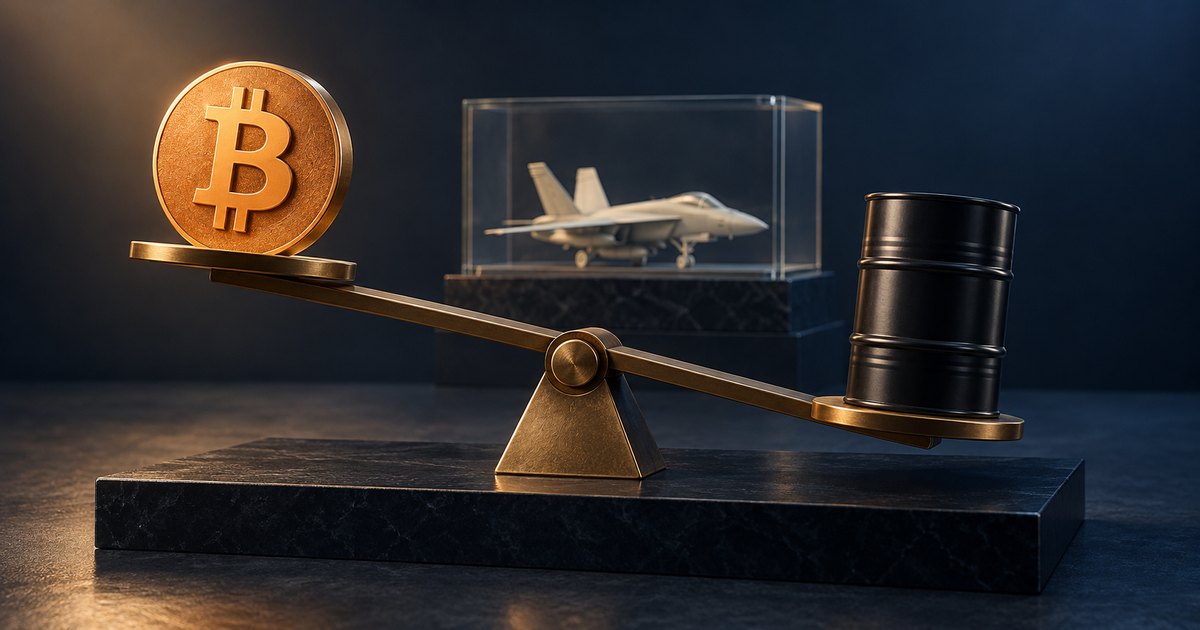
Oil prices climb 1% after U.S. strike on Iranian launchers
In brief
- U.S. military strike targets two Iranian rocket launchers on Larak Island in the Persian Gulf
- Oil prices climb over 1%, with Brent crude at $89.77 and WTI at $83.40 per barrel
- Market participants assess supply disruption risks through the Strait of Hormuz, a critical global oil corridor
Market Response
Brent crude was trading around $89.77 per barrel at the time of reporting, while West Texas Intermediate (WTI) crude was at $83.40 per barrel, both elevated from earlier levels this month. The 1% move reflects traders pricing in immediate geopolitical risk.
Supply Concerns
The recent military action has sparked concerns over potential disruptions in oil supply through the Strait of Hormuz, a crucial corridor for global oil shipments. Any sustained escalation in the region could constrain flows and push prices higher.
Market Outlook
Market participants are now weighing the implications of the military action for future oil prices and will be closely monitoring further developments in U.S.-Iran relations, particularly any retaliatory actions from Iran. The next phase of geopolitical risk will determine whether this move becomes a sustained pressure point or a brief volatility spike.
Frequently asked questions
Why did oil prices rise after the U.S. strike?
Traders priced in supply disruption risk. The Strait of Hormuz, through which most global oil shipments flow, sits near the strike zone. Any escalation could constrain supply and push prices higher.
What is Larak Island and why does it matter?
Larak Island is a key strategic point in the Persian Gulf where the U.S. targeted Iranian rocket launchers. Its location makes it significant for regional military posturing and potential oil supply risks.
What are traders watching now?
Market participants are monitoring U.S.-Iran relations closely, particularly any Iranian retaliatory actions. Further escalation could trigger sustained oil price volatility.