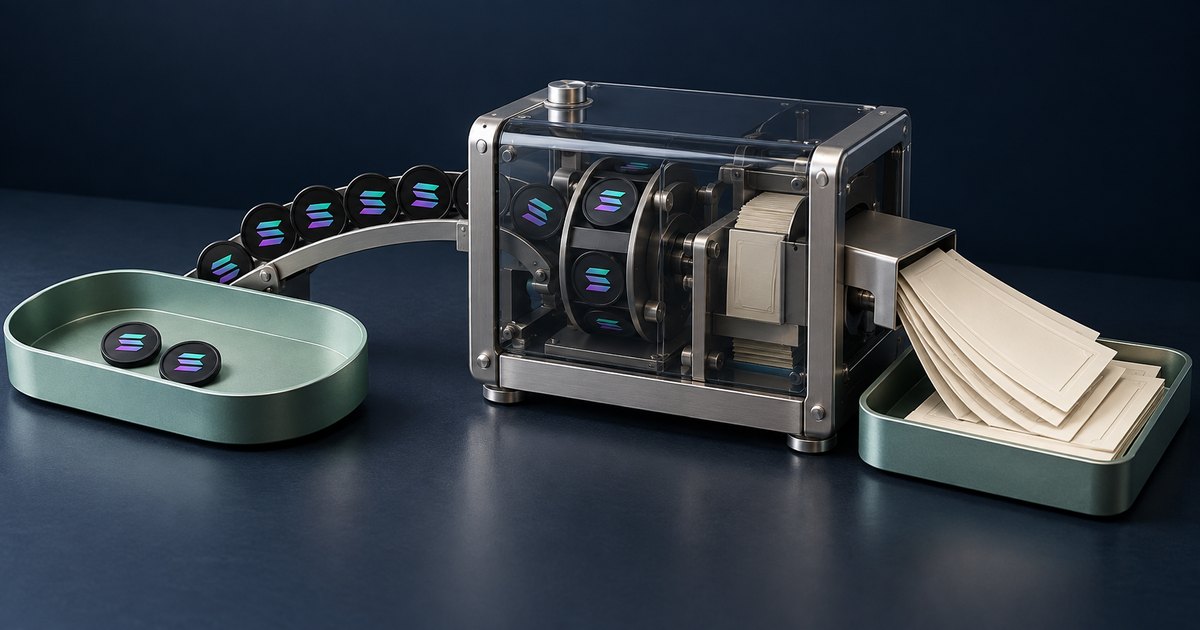
Pump.fun books $18.6M weekly revenue as Talos finds 81% of sampled memecoins down 90%+
In brief
- Pump.fun earned about $18.6 million in protocol revenue in the seven days through Oct. 7, per DefiLlama.
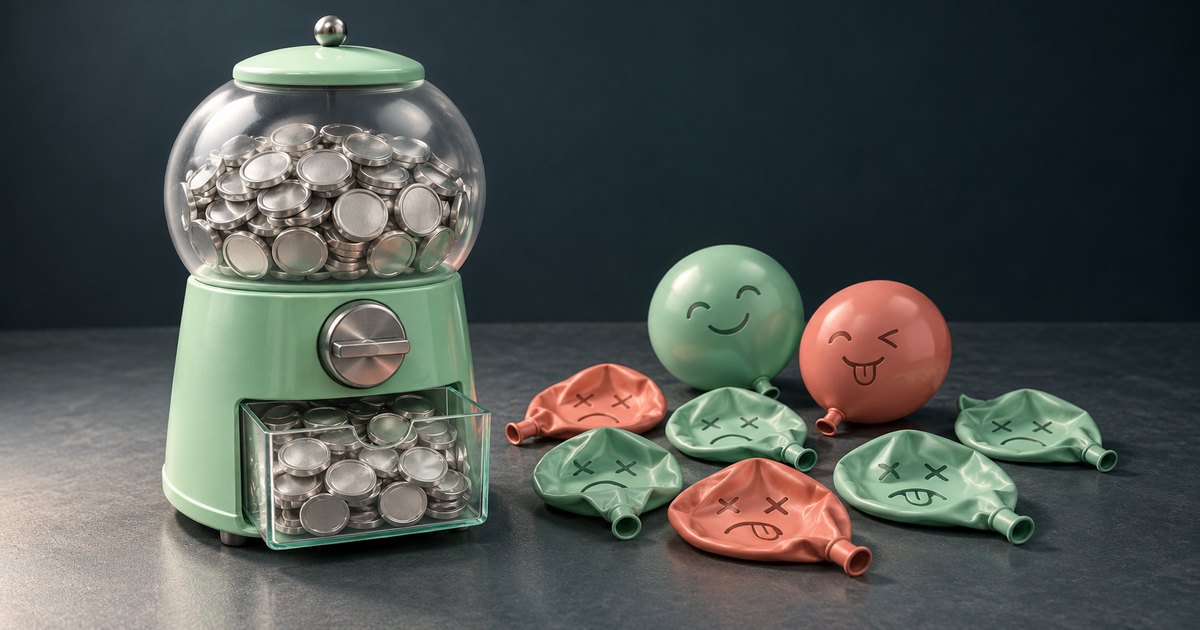
- Talos found 81% of roughly 150 exchange-listed memecoins fell at least 90% from their peaks.
- Only five of 151 tokens in Talos' return sample stayed above their first-day price.
- Pump.fun co-founder Alon Cohen said 140,000+ users received about $4.46 million in one 24-hour period.
The fee machine
Traders paid about $52.5 million in fees over that same seven-day window, with roughly $18.64 million accruing to the protocol, DefiLlama showed. Over 30 days, fees totaled about $184.5 million and protocol revenue reached about $60.7 million.
Pump's fee structure splits trading income among the protocol, creators and liquidity-related recipients. Part of designated revenue also goes to buying and burning PUMP (a commitment that runs for a year starting in April), and DefiLlama recorded about $8.45 million of PUMP burns over seven days and $27.29 million over 30 days.
None of it needs an old token to come back. CryptoSlate's analysis argued that Pump's revenue depends on transactions happening somewhere across its ecosystem, not on older tokens recovering.
What Talos found
Talos examined 150 memecoins for its survival analysis and 151 for return comparisons, and each one had to have pricing on at least one centralized exchange. CryptoSlate noted that threshold already selects for relatively successful tokens, so the results may understate the failure rate across launchpad coins that don't have those listings.
The numbers are still rough. In the Talos sample, the median token peaked about 17 days after exchange trading began. Talos defined collapse as a 95% decline from the eventual peak and estimated a median of about 370 days between the high and that threshold, and only a small fraction of collapsed tokens later revisited their previous highs.
Just five of the 151 coins stayed above their first-day price.
Roughly two-thirds of the Solana-era memecoins Talos examined never staged a meaningful second rally after their initial run. Active addresses holding at least $1 in major Solana memecoins had fallen to no more than 7% of their respective peaks.
Pump.fun's pitch to users
Pump.fun says it's widening the share of platform economics that reaches users. Co-founder Alon Cohen said more than 140,000 users received about $4.46 million over a recent 24-hour period, including $730,000 in Holder Rewards, $330,000 in Callout Rewards and $3.4 million in creator fees. Those figures come from Cohen and haven't been independently verified.
“In time, Pumpfun will vastly outperform the social media industry in user payouts & rewards,” he said.
Frequently asked questions
How much revenue is Pump.fun making?
According to DefiLlama data reported by CryptoSlate, Pump.fun produced about $18.6 million in protocol revenue over the seven days through Oct. 7. Over 30 days, fees totaled about $184.5 million and protocol revenue reached about $60.7 million.
What did the Talos memecoin study find?
Talos found that 81% of a selected group of memecoins had fallen at least 90% from their all-time highs and that recoveries from deep collapses were rare. Just five of the 151 coins in its return sample remained above their first-day price.
Does the Talos study cover all memecoins?
No. Talos examined 150 memecoins for survival analysis and 151 for return comparisons, each with pricing on at least one centralized exchange. CryptoSlate noted that this threshold selects for relatively successful tokens, so results may understate the failure rate across unlisted launchpad coins.