Russia, China veto US resolution to extend Iran sanctions panel
In brief
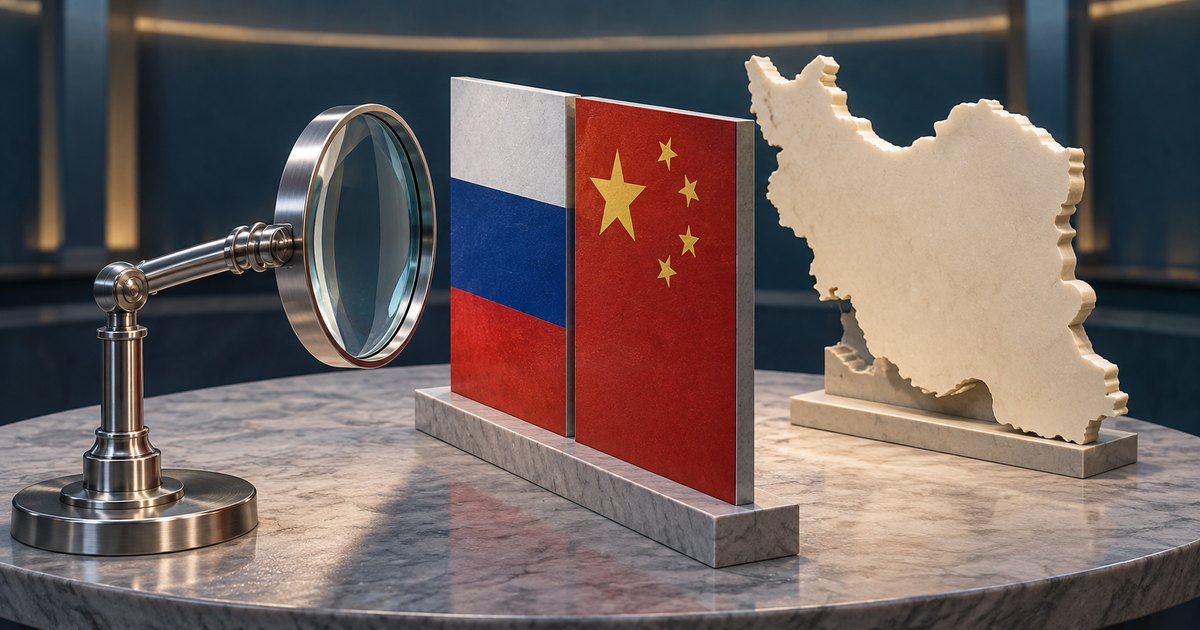
- Russia and China vetoed a US-led UN resolution on September 17 to extend Iran sanctions Panel of Experts oversight
- Panel of Experts mandate expires September 27, creating ten-day window to address Iran sanctions monitoring gaps
- Veto paralyzes the 1737 Sanctions Committee and reduces visibility into sanctions evasion and illicit procurement networks
- Standoff coincides with rising regional tensions and vulnerabilities in critical shipping lanes like the Strait of Hormuz
Veto deepens enforcement paralysis
The Panel of Experts is attached to the 1737 Sanctions Committee, originally established in 2006 to oversee sanctions tied to Iran's nuclear program. The committee has been in functional paralysis for months. No chair has been appointed and no formal meetings have convened since re-establishment.
Russia and China have effectively shielded Iran from new multilateral enforcement actions at the Security Council, creating a diplomatic impasse. Any alternative arrangement to extend the panel's mandate would require Security Council consensus, which both nations have withheld.
Snapback tensions and IAEA referral
The standoff traces back to August 2025, when France, Germany, and the United Kingdom triggered the snapback mechanism under the JCPOA, with sanctions taking effect on September 27, 2025. Russia and China have consistently argued that the snapback was illegitimate, contending that all UN restrictions against Iran expired as of October 18, 2025.
On September 9, 2026, the International Atomic Energy Agency referred Iran to the Security Council, marking the first such referral in roughly two decades. The IAEA's move cited Iran's non-compliance with its nuclear obligations.
Market and regional implications
A paralyzed monitoring panel means less visibility into sanctions evasion, ship-to-ship transfers, and illicit procurement networks. Iran possesses some of the world's largest proven oil reserves, and the effectiveness of sanctions directly influences how much Iranian crude reaches global markets. Reduced oversight compounds the risk of illicit flows destabilizing energy prices.
The broader geopolitical strife coincides with rising regional tensions, including military confrontations between the US and Iran, and heightened vulnerabilities in critical shipping lanes like the Strait of Hormuz. Without a functioning monitoring panel, enforcement gaps widen precisely when regional risks are highest.