Russian drone strikes Chornobyl nuclear fuel storage facility
In brief
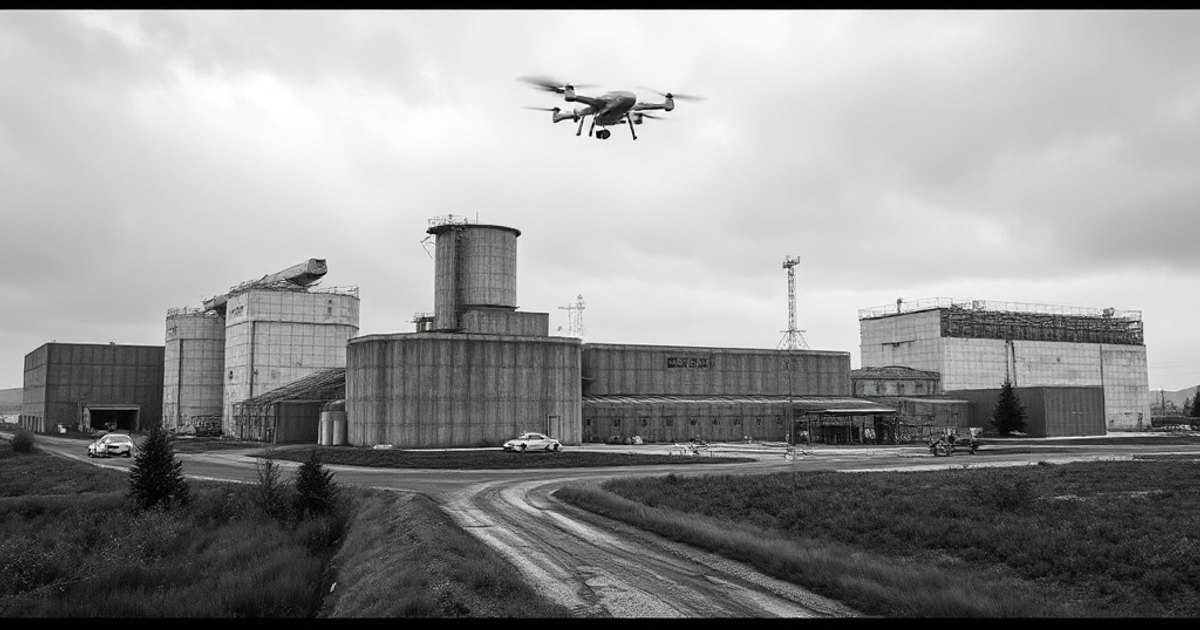
- Russian Shahed drone struck Centralized Spent Fuel Storage Facility on June 7, 14 km from decommissioned reactor
- Ukrainian authorities confirmed significant structural damage; radiation levels remained at normal background readings
- IAEA labeled strike deeply concerning and plans to dispatch inspectors to verify safety protocols
- Second drone attack on Chornobyl facilities in 2025 following February strike on New Safe Confinement
The Strike and Immediate Response
The weapon was identified as a Shahed drone, also known by its Russian designation Geran-2. Ukrainian President Volodymyr Zelenskyy condemned the strike, calling it "extremely vile" and framing it as a deliberate assault on critical nuclear infrastructure. Russia has not issued any public statements regarding the incident.
The attack underscores ongoing risks to nuclear safety in conflict zones. Even without an immediate radiation release, strikes on fuel storage structures raise the specter of cascading failures if containment systems degrade over time.
International Concern and Verification
The International Atomic Energy Agency labeled the attack "deeply concerning" for nuclear safety within the exclusion zone. The IAEA said it had been formally briefed and plans to dispatch inspectors to the site to verify that safety protocols remain intact.
This isn't the first strike on Chornobyl facilities this year. On February 14, 2025, a Russian drone hit the New Safe Confinement structure, the massive arch built over Reactor 4 to contain residual heat and radiation. That earlier strike caused damage to the protective containment but similarly did not result in a radiation release.
Context and Monitoring
Russian forces occupied the Chornobyl plant and surrounding territory in February 2022 before withdrawing weeks later. Since then, the site has remained under Ukrainian control but exposed to periodic aerial bombardment. The IAEA has maintained a presence in Ukraine throughout the war, monitoring nuclear sites including Zaporizhzhia. That monitoring capacity will be tested as inspectors work to assess the full scope of damage from the June 7 strike.