Samsung Q3 profit forecast near nine-fold jump on AI memory chip demand
In brief
- Analyst consensus puts Q3 operating profit near 106.1 trillion won, about $79.1 billion
- Year-earlier quarter operating profit was 12.17 trillion won
- High-bandwidth memory (HBM) for AI is the main driver, per Crypto Briefing
- Projections have been cut about 7.7-8% since late August
- Samsung releases preliminary guidance on October 8
What analysts are forecasting
These are forecasts, not results. Samsung is scheduled to release preliminary earnings guidance on October 8, and until it does, the numbers belong to the analysts (Crypto Briefing didn't name the consensus provider).
Revenue consensus sits at around 199-202 trillion won, and some estimates point to more than 130% year-over-year growth. Samsung's Device Solutions division, which houses its chip business, is expected to post chip operating margins of 72-76%. If the forecasts hold, it would be Samsung's fourth consecutive record quarter. It would also make Samsung the first South Korean company to clear 100 trillion won in quarterly operating profit.
That's a big if.
Analyst projections have been cut by roughly 7.7-8% since late August. Two factors explain the haircut: memory chip price gains have moderated, and the South Korean won has strengthened. Samsung sells chips globally, often priced in dollars, but it reports results in won, so a stronger won shrinks the won value of every dollar of sales.
HBM is doing the heavy lifting
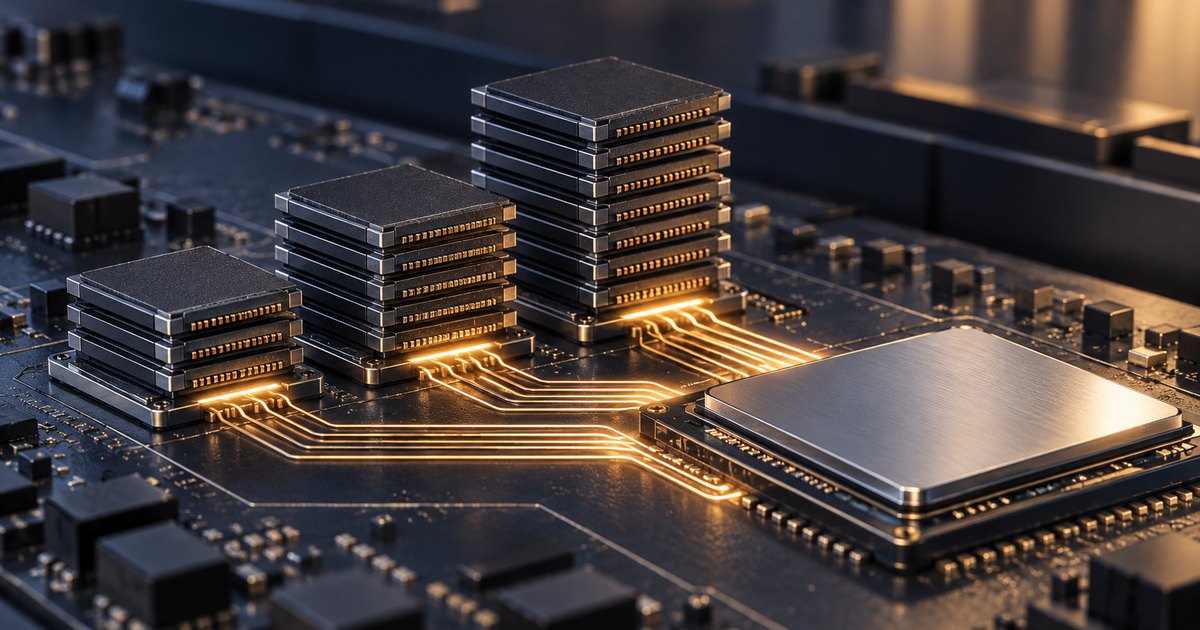
Crypto Briefing attributes the expected jump to AI infrastructure, specifically high-bandwidth memory (HBM). HBM stacks memory chips vertically and places them right next to the processor, so data moves faster and with less wasted energy. Data center demand is also lifting sales of traditional DRAM and enterprise solid-state drives.
According to the outlet, revenue from HBM4 (the newest generation of the technology) is expected to triple sequentially in the third quarter. HBM4 is also projected to account for more than 60% of Samsung's HBM revenue in the second half of 2026.
SK hynix's lead is narrowing
For much of the AI boom, Samsung played catch-up in HBM. Domestic rival SK hynix held the lead in supplying the chips AI hardware makers wanted most. Crypto Briefing reported that Samsung's HBM market share rose to about 33% in Q2 2026, up from 21% in Q1.
The outlet's read is that SK hynix's lead isn't as comfortable as it was, and that competition for supply contracts with AI chip designers is likely to intensify as HBM4 ramps up.
Frequently asked questions
What is high-bandwidth memory (HBM) and why does it matter for Samsung?
HBM stacks memory chips vertically and places them right next to the processor, so data moves faster and with less wasted energy. Crypto Briefing attributes Samsung's expected Q3 profit jump mainly to AI demand for HBM.
Why have analysts cut their Samsung Q3 profit forecasts?
Projections have been cut by roughly 7.7-8% since late August, according to Crypto Briefing. Memory chip price gains have moderated and the South Korean won has strengthened. Samsung often prices sales in dollars but reports in won, so a stronger won reduces the won value of those sales.
How is Samsung's HBM market share changing against SK hynix?
Crypto Briefing reported Samsung's HBM market share rose to about 33% in Q2 2026, up from 21% in Q1. SK hynix had led HBM supply for much of the AI boom, and the outlet said competition for supply contracts is likely to intensify as HBM4 ramps up.