Shipfinex and ADI Chain tokenize $500M maritime vessel pipeline
In brief
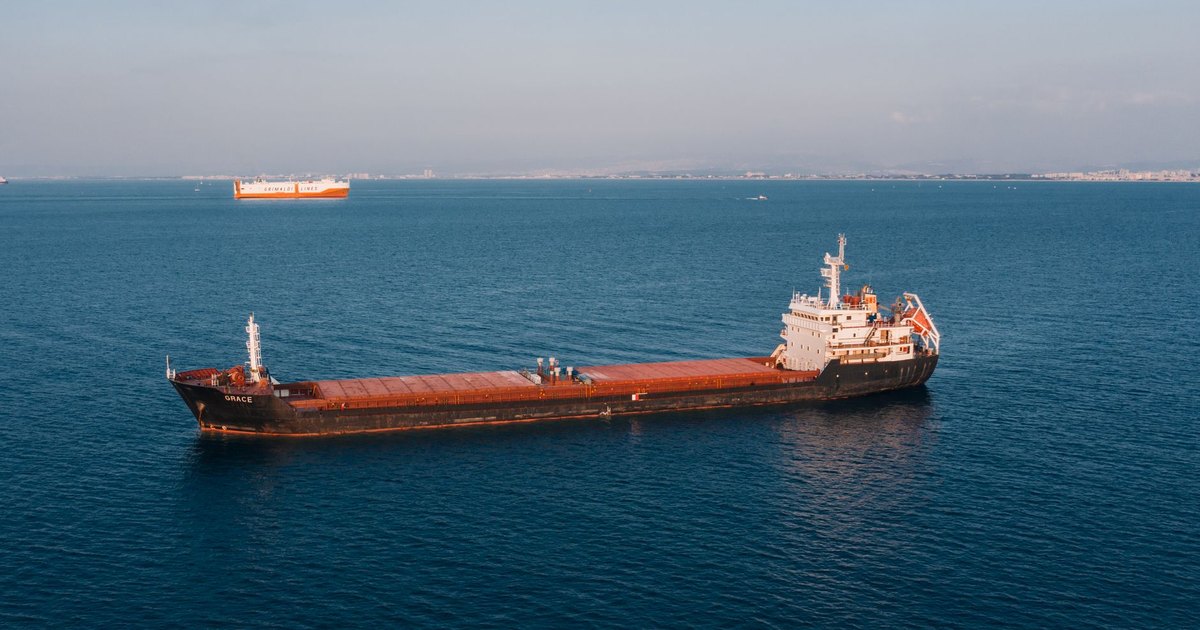
- Shipfinex and ADI Chain tokenize ~35 vessels worth $500M via special-purpose vehicles and vessel-backed credit tokens
- ADI Chain provides stablecoin infrastructure in UAE dirhams, US dollars, and other currencies
- Partnership remains in pilot stage with no Maritime Asset Tokens publicly issued
- Global maritime fleet valued at $2.1 trillion represents major tokenization opportunity
Partnership Structure
The vessels will be placed in separate special-purpose vehicles, with the resulting tokens potentially representing vessel-backed credit, charter-linked income, or other economic interests. ADI Chain will provide distribution and settlement infrastructure using UAE dirham-, US dollar-, and other currency-denominated stablecoins.
The partnership aims to open new financing channels for shipowners through tokenization. By breaking vessel ownership into tradable tokens, the model could reduce barriers to maritime investment and unlock liquidity in an asset class that's traditionally relied on conventional lending.
Market Context and Status
The partnership is still in the pilot and operational-readiness stage, with no Maritime Asset Tokens publicly issued. This cautious approach allows both platforms to stress-test infrastructure and compliance frameworks before scaling.
Context matters here. The world fleet and orderbook were valued at approximately $2.1 trillion at the start of 2026, according to Clarksons Research data. The $500 million pipeline represents a fraction of that market, but signals growing appetite for tokenized maritime assets.
Tokenized real-world assets remain nascent. Assets tracked by RWA.xyz totaled about $38.1 billion as of August 9, led by $16.2 billion in US Treasury debt and $4.9 billion in commodities. Standard Chartered forecast that tokenized real-world assets could reach $4 trillion by the end of 2028, suggesting maritime tokenization sits at the front end of a much larger wave.