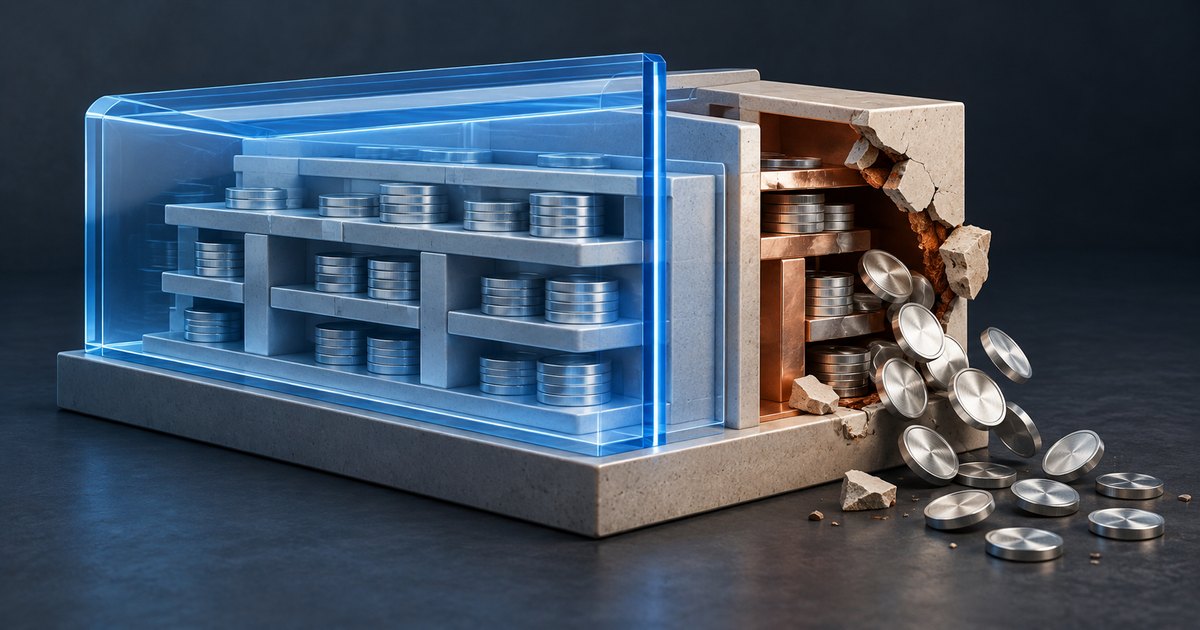
Solana bot cluster shows 3x profit edge via HumidiFi protocol, ASE study finds
In brief
- 12-address bot cluster achieved 3x higher profit rates by routing through HumidiFi, a proprietary Solana AMM
- Researchers examined 200 addresses from Trojan and SolanaMevBot services over October–November 2025
- Study found correlation within the cluster but did not prove HumidiFi access caused the performance gap
- Three MEV-like clusters totaling 56 addresses showed round-trip, cross-venue trading patterns consistent with arbitrage
The 3x Profit Gap
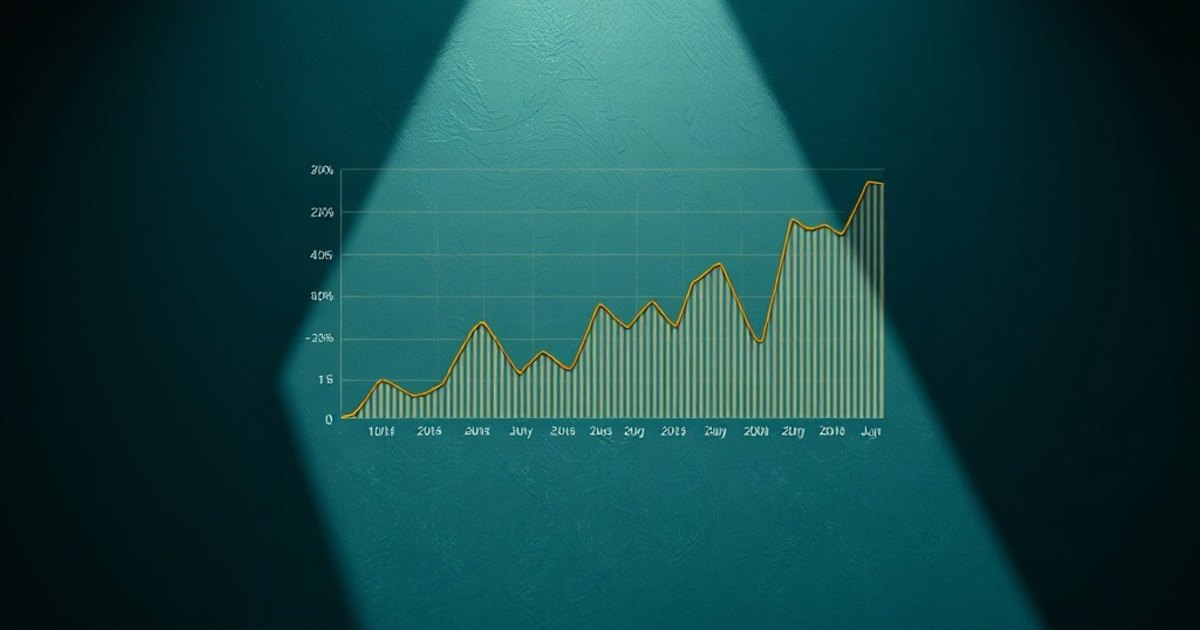
Transactions that invoked HumidiFi recorded a positive WSOL balance change 62.3% of the time, compared to 21.01% for other transactions in the same group. The rate ratio between HumidiFi-invoking transactions and other transactions was approximately 2.97. The comparison covered 244,733 HumidiFi-invoking transactions with 152,502 showing a positive WSOL balance change, and 218,678 other transactions with 45,949 showing a positive change.
It's important to note the study's scope. Researchers grouped 158 of the 200 addresses into four clusters using transaction intensity, execution success, fees, and asset breadth, while treating 42 addresses as noise. Three clusters totaling 56 addresses were classified as MEV-like, showing round-trip, cross-venue trading patterns consistent with arbitrage. WSOL appeared in 70.90% to 99.94% of transactions across those groups.
Correlation, Not Causation
The data show a correlation within this cluster, not proof that HumidiFi access caused the gap. The study's profit measure was a change between pre-transaction and post-transaction WSOL token balances, not a fully netted account of strategy returns. A separate 102-address trading-operations cluster concentrated 80.9% of its activity on the Pump.fun ecosystem, showing how venue choice sharply separated the sampled bots' activity even on one blockchain.
The researchers studied 586 public bot repositories, but that software sample was built separately and cannot be connected to the 200 on-chain addresses. The authors published a replication package through Zenodo. The study did not connect HumidiFi or the sampled bots to harms previously examined, including Solana subsidies for professional trading flow, bot-related congestion, and sandwich attacks on retail users.
Frequently asked questions
What was the profit rate difference HumidiFi routing showed?
The 12-address group routed through HumidiFi recorded a positive WSOL balance change 62.3% of the time, versus 21.01% for other transactions in the same cluster—a rate ratio of approximately 2.97.
Does this prove HumidiFi caused the profit gap?
No. The researchers explicitly stated the data show correlation within the cluster, not proof that HumidiFi access caused the performance gap. The profit measure was a change in WSOL balances, not a fully netted account of strategy returns.
How many bot addresses did the study examine?
The paper examined 200 addresses associated with Trojan and SolanaMevBot, then grouped 158 into four clusters using transaction intensity, execution success, fees, and asset breadth. The remaining 42 were treated as noise.
What other bot clusters did the researchers find?
Three MEV-like clusters totaling 56 addresses showed round-trip, cross-venue trading patterns. A separate 102-address cluster concentrated 80.9% of activity on Pump.fun, showing how venue choice separated bot behavior on Solana.