Symbiotic launches Liquid Lane for instant RWA redemptions

In brief
- Symbiotic launched Liquid Lane to enable near-instant redemptions of tokenized assets instead of 180-day windows
- Verified market makers route requests via request-for-quote model to provide liquidity
- Fasanara Capital, Avantgarde Finance, Barter and KPK serve as initial vault curators
- Midas integrated as first issuer; RedStone Settle connects to lending liquidations
- Tokenized RWA market projected to reach $5–19 trillion by 2030–2033
The liquidity gap in tokenized assets
The RWA market has crossed $33 billion, but most of those assets still can't be redeemed on demand. Many tokenized funds can be transferred instantly onchain, yet investors wait weeks or months for cash when redeeming with issuers—a friction point that's constrained adoption despite explosive growth projections. Citi projected that tokenized assets could become a $5 trillion market by 2030, while BCG and Ripple forecast a market of nearly $19 trillion by 2033.
Institutions understand that liquidity gets priced at a premium in this emerging market. That's where Liquid Lane enters.
How Liquid Lane works
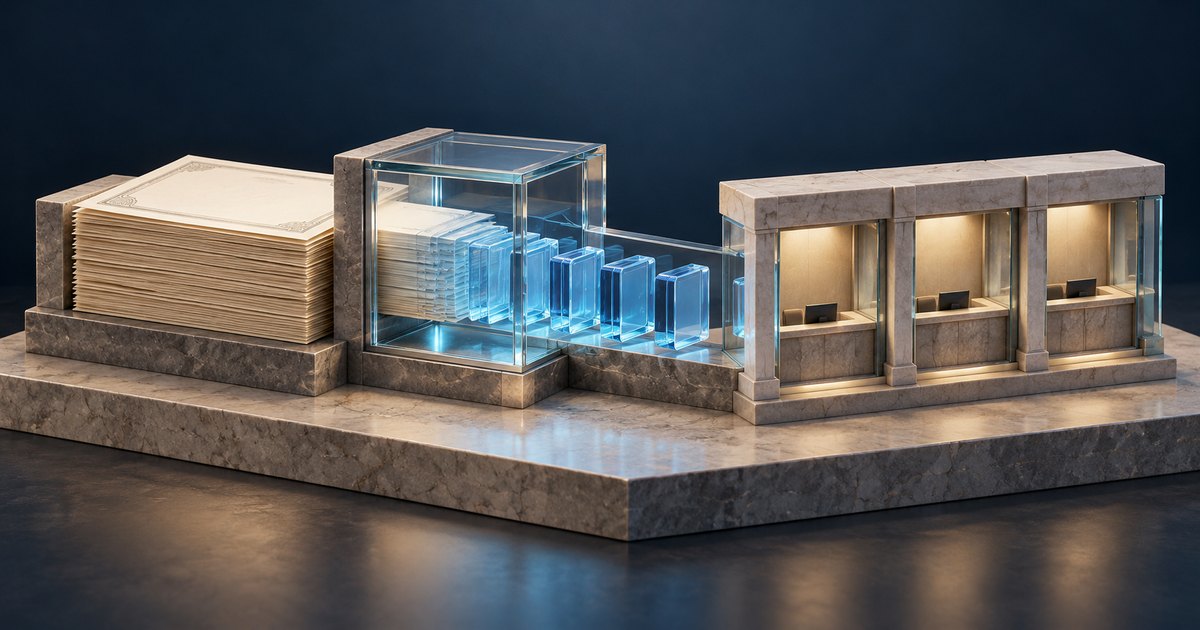
The system uses a request-for-quote (RFQ) model to route redemption requests to a network of verified market makers. Instead of waiting for a fund's redemption window, investors get near-instant quotes and settlement. Liquid Lane uses shared collateral that can support multiple issuers while earning redemption spreads, lending income from protocols such as Aave and Morpho and returns from other Symbiotic-powered applications.
Fasanara Capital, the manager behind tokenized credit fund mGLOBAL, will serve as the first vault curator alongside Avantgarde Finance, Barter and KPK. Midas is the first integrated issuer, and RedStone Settle will connect the system to lending market liquidations.
Symbiotic's broader play
Symbiotic emerged in crypto's restaking sector before realizing its vault architecture could support a wider range of financial applications. The firm now describes itself as a collateral-markets platform spanning credit, insurance, stablecoins and tokenized assets. Its infrastructure secures more than $550 million across dozens of applications.
Liquid Lane isn't the only new entrant tackling RWA redemption friction. Grove launched Basin, a $1 billion liquidity network backed by partners including BlackRock and Janus Henderson that advances stablecoin liquidity against tokenized fund redemptions. Competition in this space signals growing institutional demand for the infrastructure that bridges tokenized finance and traditional rails.
Frequently asked questions
Why is instant redemption important for tokenized assets?
Tokenized funds can be transferred instantly onchain, but investors typically wait weeks or months for cash when redeeming with issuers. This friction constrains adoption. Institutions price liquidity at a premium in the RWA market, so removing redemption delays makes these assets more competitive and accessible.
How does Liquid Lane's market-maker system work?
Liquid Lane routes redemption requests through a request-for-quote (RFQ) system to verified market makers, who provide quotes and settle near-instantly. Market makers earn returns from redemption spreads, lending income (via Aave and Morpho), and other Symbiotic applications, creating an incentive to provide liquidity.
What is Symbiotic's core business?
Symbiotic is a collateral-markets platform that emerged in the restaking sector but expanded to support credit, insurance, stablecoins and tokenized assets. Its vault architecture now secures over $550 million across dozens of applications.