TokenLogic Aave plan would cut Polygon DAI lenders' interest share from 75% to 30%
In brief
- TokenLogic proposed raising reserve factors on 54 reserves across 12 Aave V3 instances and Ethereum V2.
- Polygon DAI suppliers' share of borrower interest would fall from 75% to 30% if adopted.
- TokenLogic's model, based on November 9 data, estimates about $4 million in added annual DAO revenue.
- Roughly $1 million of that estimate depends on Plasma USDT0 terms being finalized.
- Modeled yield cuts: 270 basis points on Polygon DAI and 61 on Avalanche USDC.
What the reserve factor does
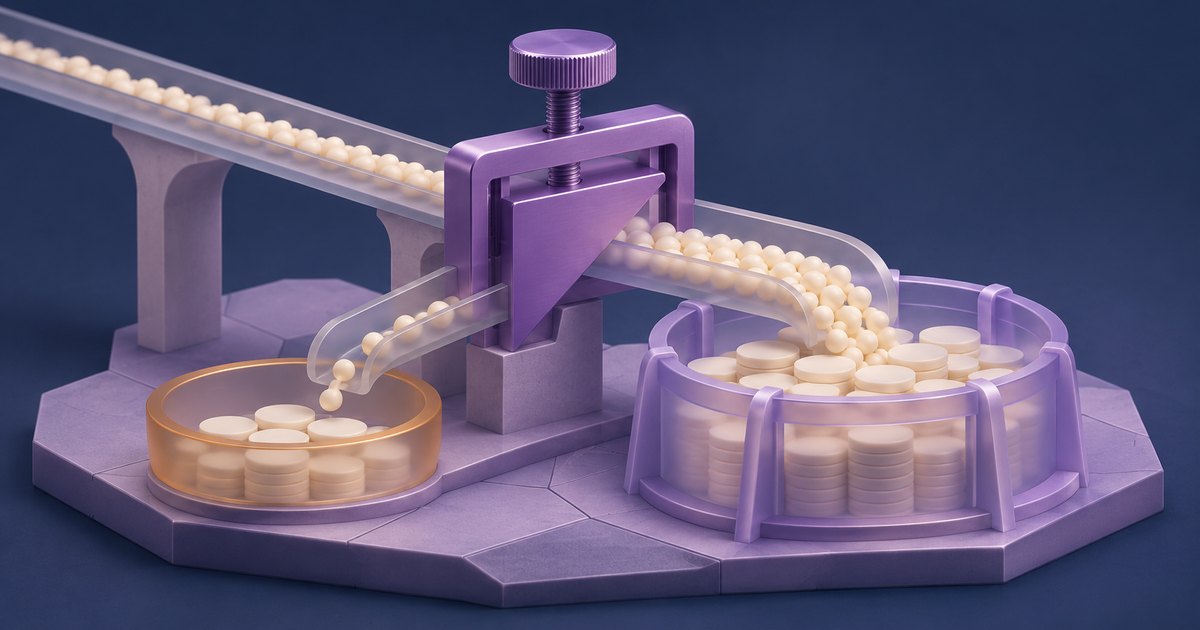
The reserve factor is the portion of borrower interest that goes to Aave's DAO instead of suppliers. Raising it changes who gets paid. It doesn't directly change the borrowing-rate curve.
TokenLogic argued that a bigger share would better compensate the DAO for the risks attached to borrowable reserves. Using November 9 balances and rates, it estimated about $4 million in additional annualized DAO revenue. Roughly $1 million of that comes from Plasma USDT0, though that piece only enters the formal proposal once its terms are finalized.
The "60%" figure is narrower than it sounds.
It's the relative drop in Polygon DAI suppliers' share of interest (75% down to 30%), not an Aave-wide number.
Polygon DAI's modeled cut
For Polygon V3 DAI, TokenLogic proposed lifting the reserve factor from 25% to 70%, with a modeled supply APY reduction of 270 basis points and $94,373 in additional annual DAO revenue. In that fixed-input model, the gain comes from paying lenders less (not from more borrowing or pricier loans). Total borrower interest is held fixed, and later shifts in liquidity or rates could change the income the DAO actually earns. TokenLogic calls Polygon DAI a legacy reserve and uses lower returns on purpose to push liquidity out of declining markets.
An Aavescan snapshot taken at midnight UTC on November 12 showed 3.30 million DAI deposited and 2.65 million borrowed in the pool, with a 4.81% supply APR excluding historical incentives, as reported by CryptoSlate. Those numbers don't line up neatly with the model. Aavescan's observed APR and TokenLogic's modeled APY reduction are different rate measures taken on different dates.
Uneven cuts elsewhere
The proposal doesn't apply one yield cut across stablecoins. TokenLogic modeled cuts of 173 basis points for Avalanche DAI.e, 78 for Avalanche USDt and 61 for Avalanche USDC, with proposed reserve factors of 90%, 25% and 25%. The largest reserve-factor percentages don't necessarily produce the largest yield cuts: Polygon DAI (at 70%) shows a deeper modeled drop than Avalanche DAI.e (at 90%).
These are proposed changes for defi lenders on Aave, not executed ones, and every yield and revenue figure here comes from TokenLogic's model.
Frequently asked questions
What is Aave's reserve factor?
The reserve factor is the portion of borrower interest that goes to Aave's DAO instead of suppliers. Raising it changes who receives the interest. It doesn't directly change the borrowing-rate curve.
Where does the 60% figure in TokenLogic's Aave proposal come from?
It's the relative drop in Polygon DAI lenders' share of borrower interest, which would fall from 75% to 30% under TokenLogic's November 12 proposal. TokenLogic would lift that reserve's reserve factor from 25% to 70%. Cuts in other markets would be smaller and uneven.
How much revenue would the proposal add to the Aave DAO?
Using November 9 balances and rates, TokenLogic estimated about $4 million in additional annualized DAO revenue. That includes roughly $1 million from Plasma USDT0, which only enters the formal proposal once its terms are finalized. The model holds total borrower interest fixed, so later rate or liquidity changes could alter realized income.