Trezor warns against typing wallet backups into phones after reported $600K theft
In brief
- A user reported losing over $600,000 across TRON and Solana, according to Onchain Lens.
- Trezor said similar cases usually trace back to a compromised wallet backup.
- Trezor said the device showed no sign of an implant and it's still investigating.
- The mechanism behind both thefts remains largely unknown, U.Today reported.
What the victim reported
The user (who hasn't been named) said the losses happened while using an iPhone 17 Pro Max running iOS 27.2.1, according to Onchain Lens. Both a Trezor Safe 7 and an Exodus wallet were reportedly involved. The victim had used the Trezor for nearly two months, running Trezor Suite over Bluetooth on the same iPhone that also held Exodus.
By the victim's account, most of the losses were on TRON. The user said about $580,000 was taken from the Trezor on that chain, with an unauthorized transaction moving 49,999 USDT on Nov. 21. That transaction used the default owner permission, which puts the signing authority at the center of the investigation. Another $23,400 was drained on Solana (the TRON and Solana wallets shared one recovery phrase), and the victim says they never approved the unauthorized transactions on the hardware device.
The victim also said the device arrived sealed with no visible tampering, the recovery phrase was generated on the Trezor screen rather than the iPhone, and the seed was written on paper and never stored digitally.
Trezor's response
Trezor pushed back on the idea of a remote drain. In its post on X, as reported by U.Today, the company said its wallets don't get drained out of nowhere and that there are no reports of funds being stolen remotely from any device. It said similar cases usually trace back to a compromised wallet backup, and it put the warning bluntly.
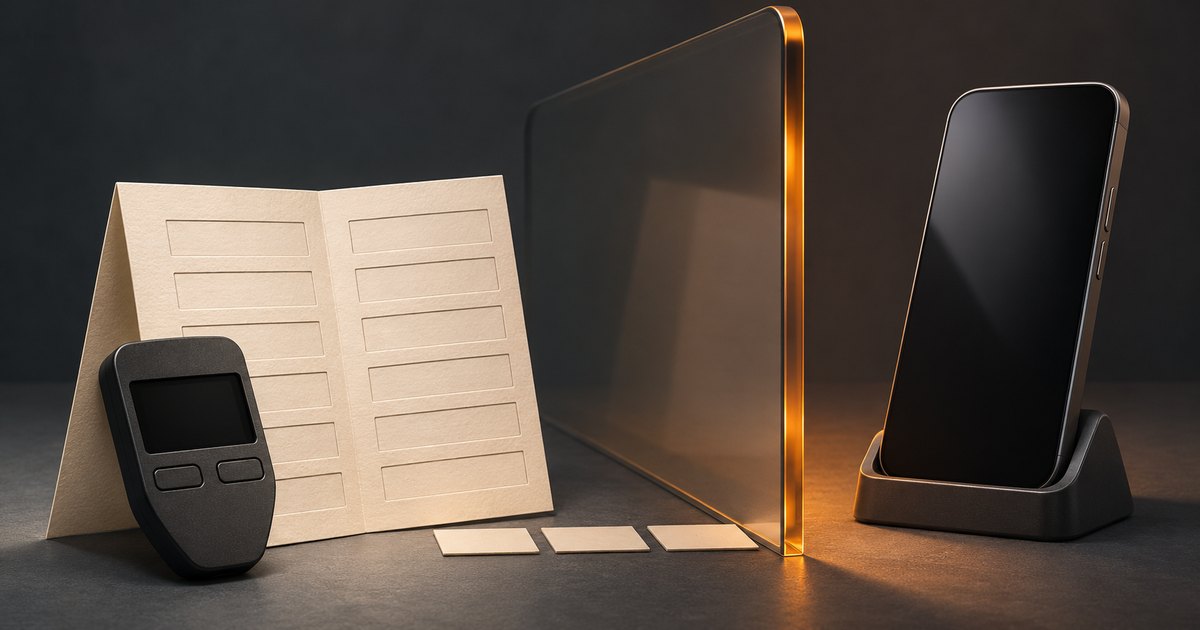
"Never type your wallet backup into a phone, app or website."
The company said this particular device came directly from Trezor and shows no sign of an implant. It also said there's been no confirmed loss of funds from implants, and no implant found in any Trezor Safe 7.
What's still unknown
The mechanism behind both thefts remains largely unknown, U.Today reported. Trezor is designed to keep private keys inside the hardware device, so compromising the phone alone shouldn't normally provide access to those keys. Possible causes outlined include compromised recovery credentials, unauthorized signing, or a device or software security failure.
Apple issued iOS 27.2.1 on Nov. 9 with several security fixes, some related to Bluetooth. There's currently no evidence connecting those vulnerabilities to these transactions.
Trezor says it's still investigating.
Frequently asked questions
What did Trezor tell users after the reported theft?
Trezor warned users never to type their wallet backup into a phone, app or website. In a post on X reported by U.Today, it said its wallets don't get drained out of nowhere and that similar cases usually trace back to a compromised wallet backup.
What caused the reported $600,000 loss?
The cause hasn't been established. U.Today reported that the mechanism behind both thefts remains largely unknown, with possible causes including compromised recovery credentials, unauthorized signing, or a device or software security failure. Trezor says it's still investigating.