Trump urges Zelenskyy to halt strikes on Russian refineries
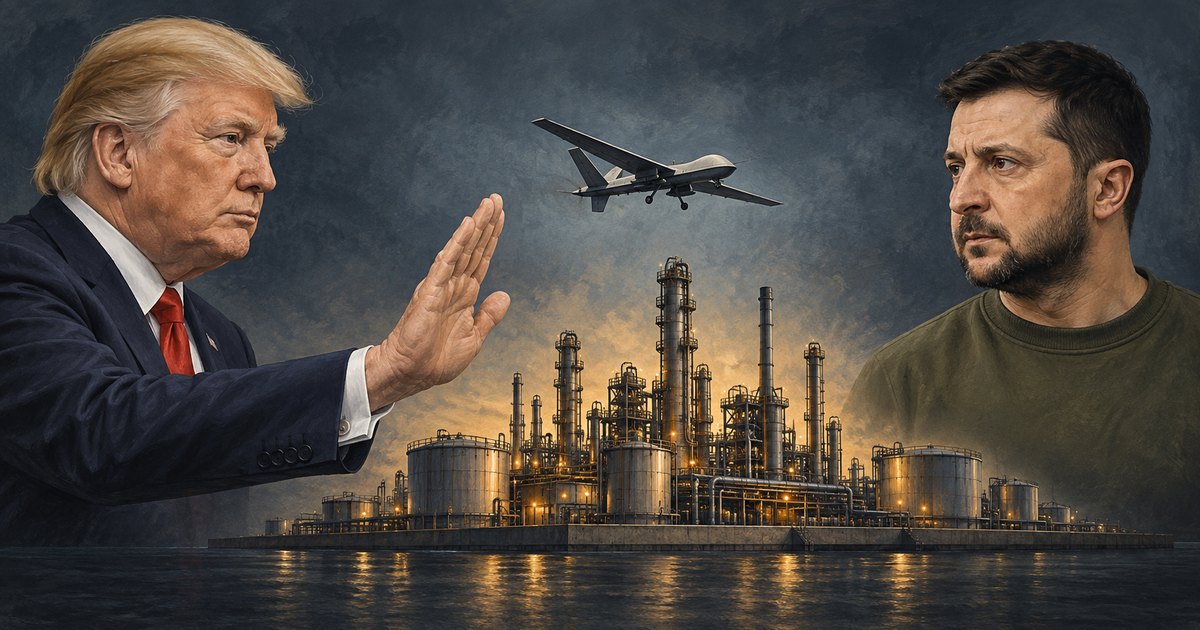
In brief
- Trump requested Ukraine halt attacks on Russian refineries on September 13, citing global fuel supply concerns
- Ukrainian forces targeted a dozen-plus Russian refineries in 2026, including Slavyansk ECO
- Russia faces domestic fuel shortages and has shifted to importing fuel
- Zelenskyy proposed mutual energy ceasefire; Ukraine suffers systematic Russian power grid strikes
- Trump's position shifts from prior openness to Ukrainian strikes on Russian energy targets
The Strategic Pressure
Trump's request puts Washington and Kyiv at odds over a core element of Ukraine's military strategy. Ukrainian forces have targeted more than a dozen Russian refineries throughout 2026, reaching facilities located hundreds to over 1,500 kilometers from the front lines. The Slavyansk ECO refinery, which processes roughly 5.2 million metric tons of crude per year, was struck on September 12-13. The Taneco refinery, one of Russia's more modern processing facilities, has also sustained damage this year.
These strikes are working. Russia is experiencing domestic fuel shortages severe enough to prompt a shift in its energy export strategy—moving from net exporter to importer of certain refined products to cover internal demand. For Ukraine's military planners, the logic is straightforward: disrupting refinery output disrupts the Russian army's ability to move tanks and trucks.
The Diplomatic Divide
Trump's position represents a shift from his own prior statements, which had at times signaled openness to Ukraine striking Russian energy targets. His current request reflects a broader diplomatic strategy: building toward conflict resolution through confidence-building measures, including pauses on energy infrastructure attacks.
Zelenskyy has already proposed an alternative framing—a mutual energy ceasefire under which both Ukraine and Russia would agree to stop attacking each other's energy infrastructure. That proposal carries weight. Ukraine has been on the receiving end of systematic Russian strikes against its power grid, heating infrastructure, and electricity generation capacity throughout the war. A true ceasefire would require reciprocal restraint.
Washington leaning on Kyiv to protect Russian economic infrastructure, even in a wartime context, reflects real tension between Ukraine's military strategy and the diplomatic track Trump is pursuing. The request also highlights the gap between energy-sector targeting (which Ukraine sees as militarily essential) and Trump's framing of it as a destabilizing threat to global fuel supplies.