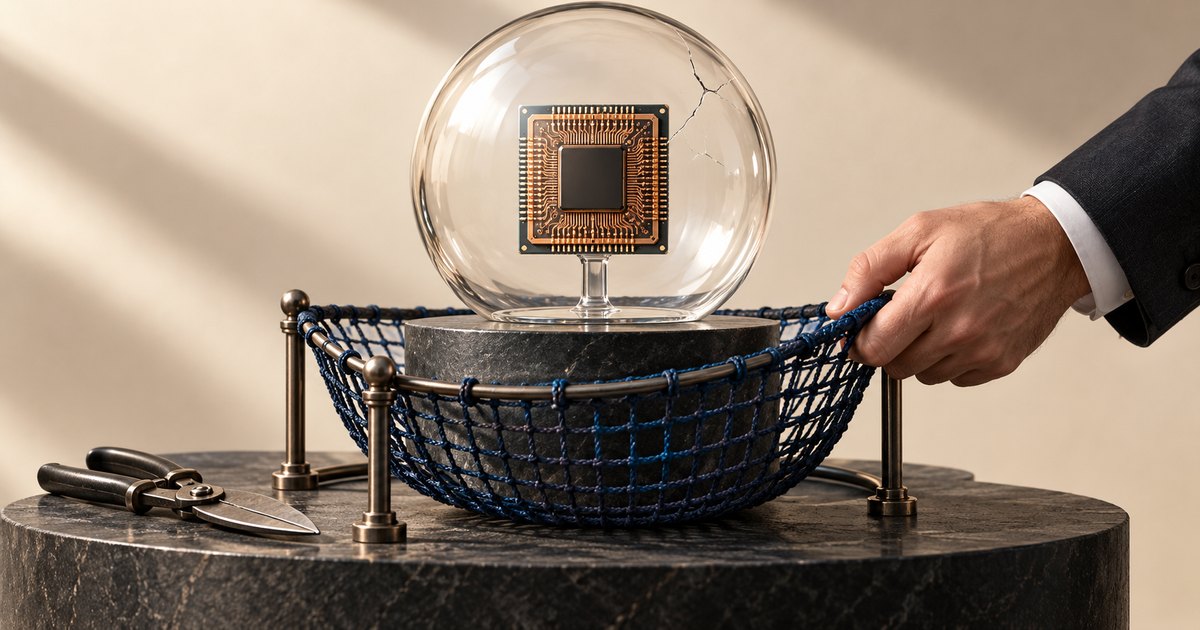
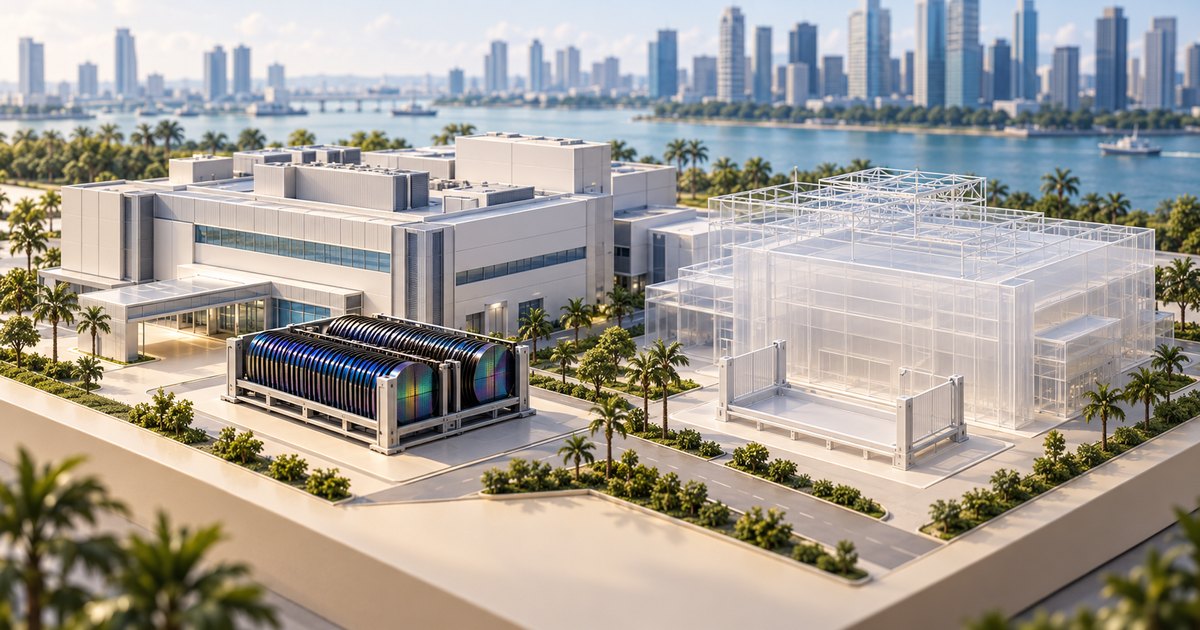
TSMC and ASML earnings set to shape AI chip market recovery

In brief
- TSMC posted NT$442.68 billion June revenue, up 68% YoY on AI-driven silicon demand
- ASML raised 2026 sales guidance to €36–40 billion after Q2 earnings July 15
- Both stocks fell 5–7.5% in June selloff; earnings reports may signal recovery trajectory
The revenue surge
TSMC posted NT$442.68 billion in June 2026 revenue, a 68% year-over-year increase. For the first half of 2026, total revenue hit NT$2.404 trillion, reflecting 35.6% annual growth. The company has previously projected more than 30% full-year 2026 revenue growth in US dollar terms, driven almost entirely by AI-related silicon demand.
ASML raised its 2026 sales guidance to a range of 36 billion to 40 billion euros. The equipment maker is the sole manufacturer of extreme ultraviolet lithography machines, the equipment needed to etch transistors at advanced semiconductor nodes. Every cutting-edge chip that TSMC produces requires ASML's machines to exist.
The symbiosis runs deep. For ASML, the key metric is bookings—new orders for EUV machines serve as a leading indicator for chip production 12 to 18 months out. Strong orders signal sustained demand for advanced chips. Weak bookings suggest a slowdown ahead.
Recovery after the selloff
Around June 23, a broader tech selloff dragged semiconductor names lower, with ASML and TSMC both seeing declines of roughly 5% to 7.5%. Nvidia took a similar hit. The question now is whether earnings can restore confidence or whether the market's June wounds run deeper than the headlines suggest.
TSMC has been investing heavily in advanced packaging technologies like CoWoS, which bundles multiple chip components together for AI processors. These investments matter. They show the company is betting on sustained AI demand, not treating the surge as a one-quarter anomaly.
"The two companies that literally make AI possible are about to reveal whether the hype machine is still running hot or starting to sputter." — Crypto Briefing
The earnings call will hinge on one question: profitability. Revenue growth is one metric. Converting that growth into profit growth is another. If TSMC's margins are compressing despite the revenue surge, it signals the AI boom is revenue-inflating rather than genuinely lucrative. If margins hold or expand, it tells a different story about the sustainability of demand.