TYLSemi Raises $43M for Modular AI Chip Components

In brief
- TYLSemi raised $43M in oversubscribed funding led by Matter Venture Partners and strategic semiconductor investors.
- Standardized chiplet components simplify custom AI chip development and reduce production complexity.
- Development time and cost reduction of up to 50% versus building chips from scratch.
The chiplet approach
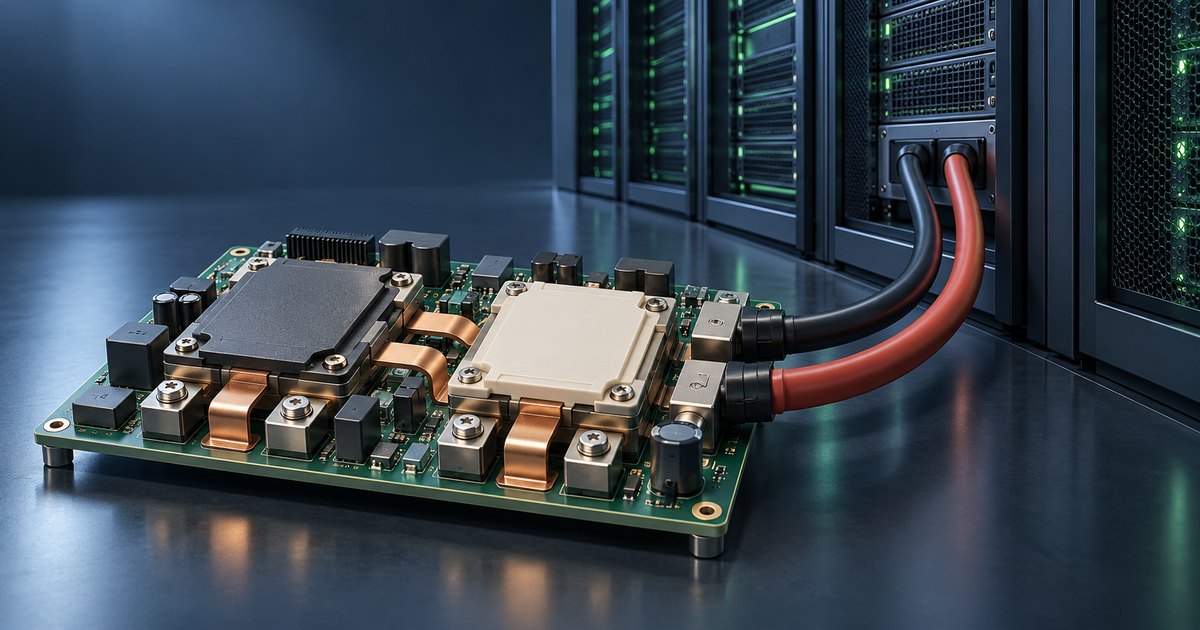
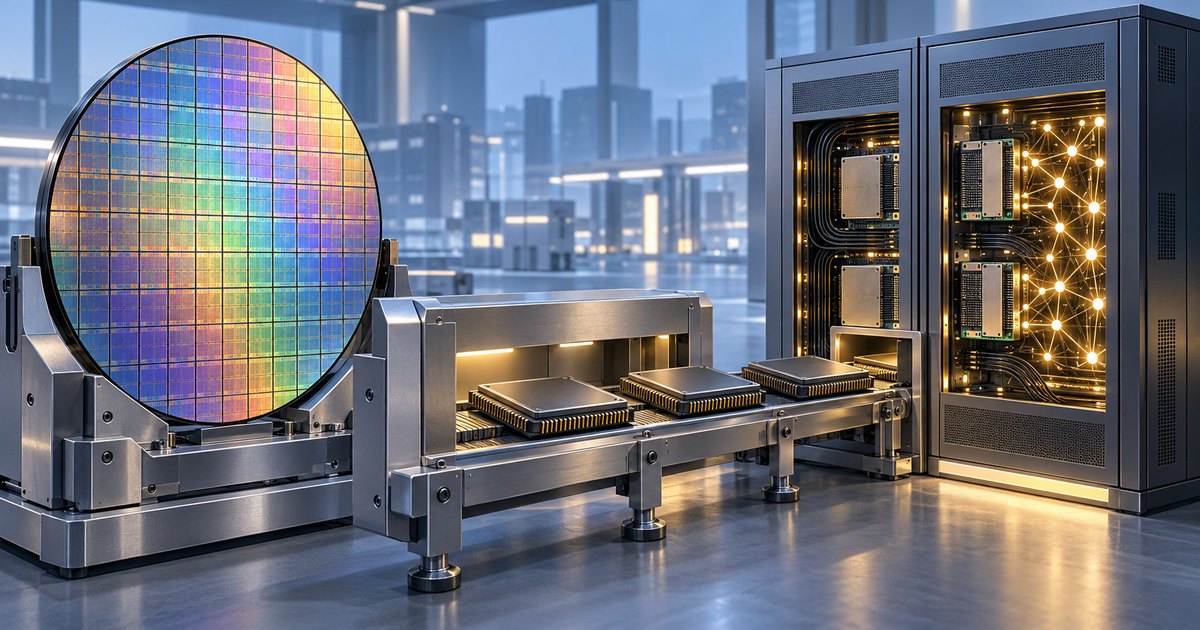
TYLSemi is developing a full-stack chiplet platform with modular components that snap together like building blocks. The company's product lineup includes three core offerings: TYL.IO for connectivity between chiplets, TYL.Power for intelligent power delivery, and TYL.Forge as the full-stack custom silicon production platform. These chiplets are built on UCIe and other industry standards, designed to integrate with existing chip architectures.
The appeal is straightforward. Instead of designing every piece of an AI chip from scratch, companies can grab pre-built modules off TYLSemi's shelf and focus their engineering effort on the parts that actually differentiate their product.
Market timing and leadership
The AI accelerator market is projected to reach $604 billion by 2033, with custom silicon XPUs expected to be the fastest-growing segment. Hyperscalers, major cloud providers, and large enterprises increasingly want chips tailored to their specific AI workloads. This demand creates an opening for TYLSemi's approach.
TYLSemi is positioning itself as the first dedicated provider of a comprehensive chiplet portfolio, lowering the barrier to entry for organizations that want custom AI silicon but lack the resources to build everything in-house. CEO Mohit Gupta and co-founder Sunil Bhardwaj bring experience from Alphawave (acquired by Qualcomm), SiFive, Cadence Design Systems, and Rambus.
Next steps
The company has lined up a collaboration with TSMC to produce samples of its TYL.IO and TYL.Power chiplets, with first samples expected to arrive in 2027. TYLSemi claims its approach can reduce custom AI silicon development time and cost by up to 50 percent, a metric that will be tested once production samples reach customers.