U.S. sanctions Iraqi oil trader Omid Haji Ahmad for Iranian smuggling
In brief
- Omid Haji Ahmad designated to U.S. sanctions lists for facilitating Iranian oil smuggling
- U.S. targets networks obscuring Iran oil shipments via cargo mislabeling and blending tactics
- Sanctions aim to restrict financial flows supporting Iran's nuclear program amid geopolitical tensions
Enforcement escalation
Omid Haji Ahmad has been added to the U.S. sanctions lists for his alleged involvement in smuggling Iranian oil, according to reporting from FirstSquawk. The designation underscores Washington's determination to disrupt Iran's energy exports at a time when regional tensions remain elevated and nuclear negotiations face uncertainty.
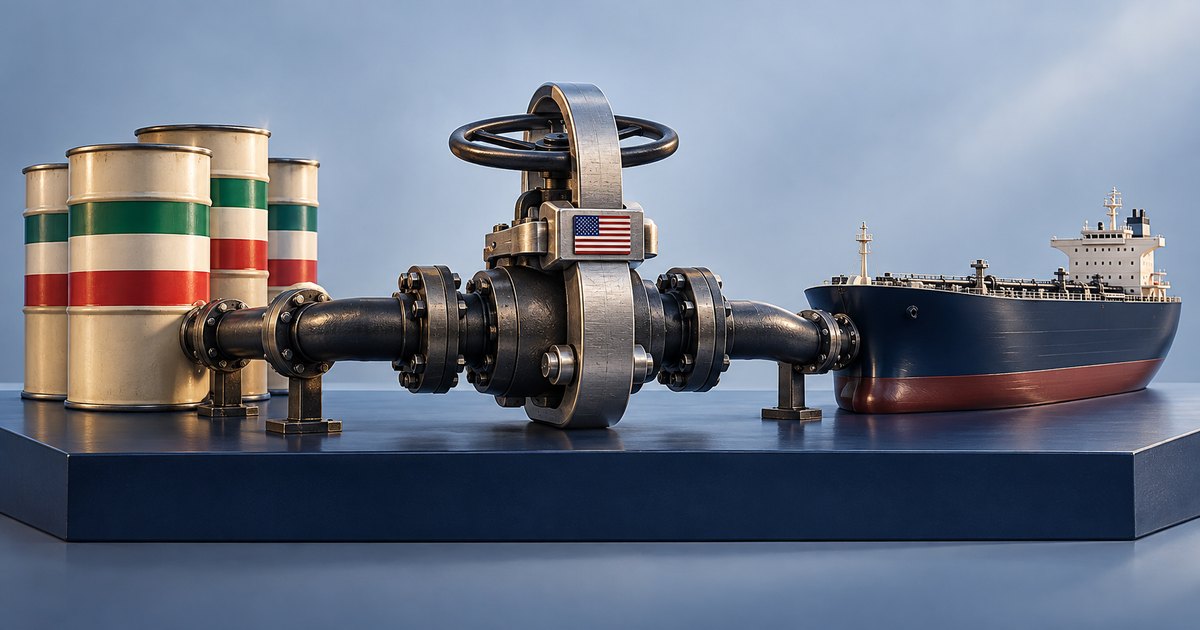
The U.S. has intensified its enforcement of sanctions in recent years, targeting networks that facilitate Iran's oil trade, often through deceptive practices such as blending or mislabeling cargo as Iraqi to evade detection. Ahmad's case exemplifies how traders exploit proximity to Iraq—a major oil producer—to obscure the origin and ownership of petroleum shipments. These schemes allow Iranian crude to reach global markets despite sanctions restrictions.
Geopolitical implications
Ahmad's designation is part of a broader pattern of sanctions against individuals and entities linked to Iran's oil industry. Each enforcement action aims to raise the cost of circumventing U.S. restrictions and signal resolve to coalition partners. The targeting of specific traders also provides intelligence on smuggling networks and their operational methods.
Diplomatic responses from Iraq and Iran could influence market perceptions regarding regional stability. Iraq's government faces pressure from both Washington and Tehran, creating diplomatic tension as it balances relationships with the U.S. and its Iranian neighbor. How Baghdad responds to Ahmad's designation—whether it cooperates with enforcement or distances itself—may signal shifts in Iraqi policy toward Iran.