UAE energy ministry to sell 1.7M barrels of crude from salvaged tanker, report says
In brief
- UAE energy ministry announced a 1.7 million-barrel crude sale from a salvaged tanker, per Crypto Briefing.
- Loading is scheduled between November 10 and 20.
- Crypto Briefing said the sale affects local supply but doesn't change UAE national output.
- Crypto Briefing tied the cargo to WTI prediction markets for November 2026.
What's being sold
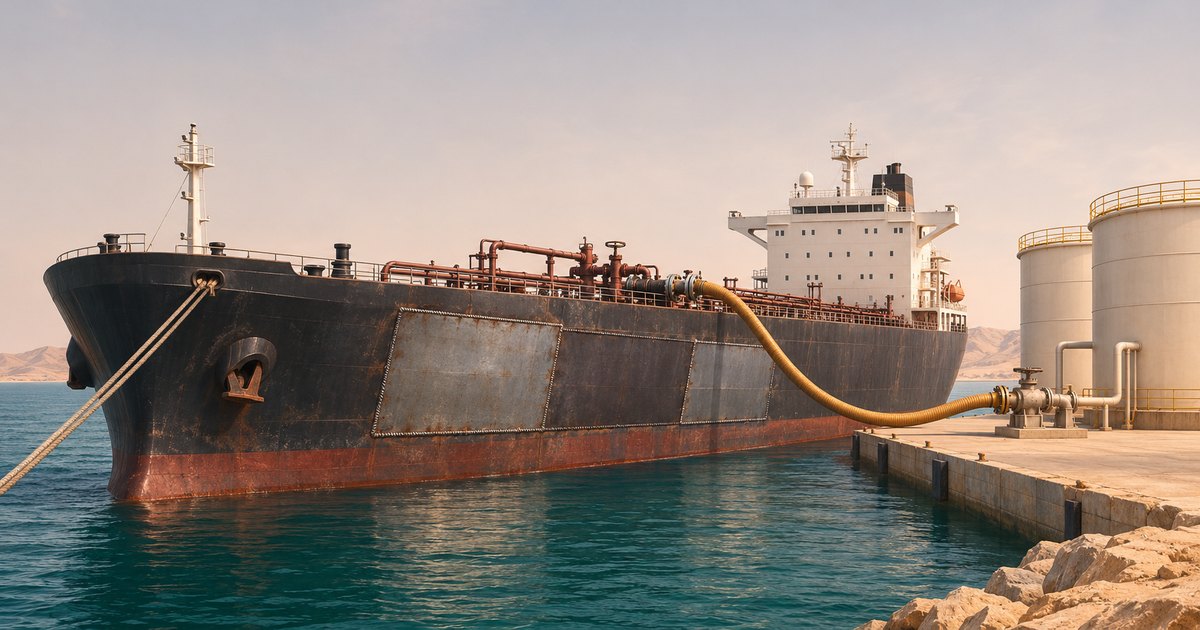
The ministry's sale covers 1.7 million barrels from a salvaged tanker, per Crypto Briefing. Loading is set for a ten-day window, November 10 through 20.
Crypto Briefing identified the cargo as Arab Light, which it called a medium-sour grade, and said the sale introduces a notable volume of that crude into regional spot markets. We're treating the grade as the outlet's description (we haven't been able to confirm it independently).
Supply, not output
The outlet drew a clear line here. The sale doesn't represent a shift in the UAE's national output, it said, but it does affect local supply dynamics, and in its view the added barrels could ease some regional supply constraints.
That's a supply story, not a production one.
What oil prediction markets are pricing
Crypto Briefing put recent Arab Light pricing between $85.13 and $92.82 per barrel. It also said market pricing showed odds of around 1% for WTI reaching $160 within November (the outlet didn't name a data provider for either figure).
According to Crypto Briefing, the sale is expected to influence WTI crude prediction markets for November 2026, where trends had already suggested potential downward price pressure. Extra UAE supply could reinforce that outlook, it said.
So does one cargo move WTI? The outlet's framing is that it could add weight to a trend that was already there, not that it creates one on its own.
It isn't the only input, either. Crypto Briefing said OPEC production-target changes, geopolitical tensions in oil-producing regions, U.S. crude inventory reports or shifts in demand forecasts could all move WTI pricing scenarios.