UK seizes Russian oil tanker SMYRTOS in shadow fleet crypto crackdown
In brief
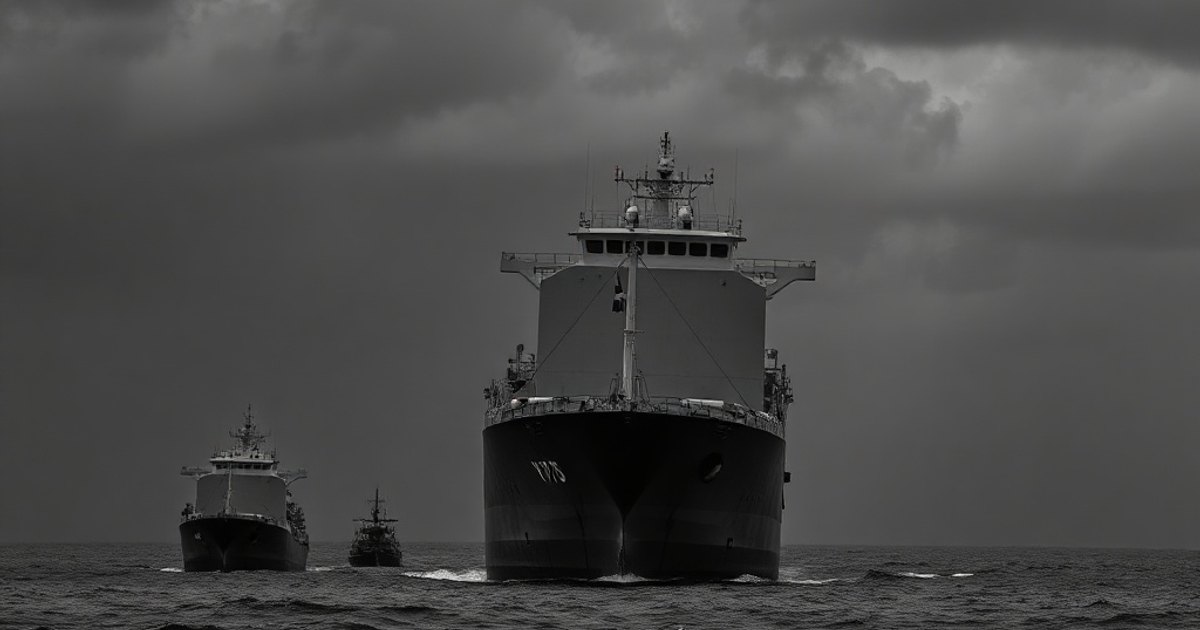
- Royal Marines and NCA boarded sanctioned tanker SMYRTOS in English Channel on June 14, marking first UK military interdiction of shadow fleet.
- Shadow fleet crews paid in Tether stablecoins, earning $2,000–$3,000 monthly per person.
- UK sanctioned 500+ shadow fleet vessels; authorized military interdiction in March 2026.
- Regulatory scrutiny on stablecoins and crypto wallets tied to sanctions evasion expected to intensify.
The boarding operation
Royal Navy vessels HMS Sutherland and HMS Ledbury, along with RAF air assets, supported the interdiction. Prime Minister Keir Starmer had authorized military interdiction of sanctioned ships back on March 25, 2026, giving British forces the legal mandate to act. The SMYRTOS, built in 2009 and carrying the IMO identification number 9389100, had been under sanctions since July 2025 for transporting crude oil in violation of the G7 oil price cap.
This wasn't a routine maritime enforcement action. It was the first kinetic step in a broader confrontation with Russia's shadow fleet — a network of aging tankers designed to obscure the origin and destination of crude oil shipments while circumventing Western sanctions.
Cryptocurrency as payment rails
The boarding exposed a critical vulnerability in the shadow fleet's operational model: reliance on stablecoins. Monthly crew pay on these tankers reportedly ranges from $2,000 to $3,000, all denominated in USDT, according to reporting. Scale that across hundreds of vessels with crews of 20 to 30 each, and you're looking at meaningful stablecoin transaction volumes flowing through what amounts to a sanctions evasion pipeline.
Traditional banking won't service shadow fleet operations. SWIFT transfers are blocked. Correspondent banking relationships are severed. Cryptocurrency fills the gap — fast, borderless, and (in theory) harder to trace than wire transfers. But the SMYRTOS seizure suggests that theory is breaking down.
Broader implications for crypto regulation
The UK has sanctioned over 500 shadow fleet ships to date. The broader fleet employs deception tactics including flag-hopping between permissive registries, layering false ownership structures, and switching off tracking transponders. If UK or EU authorities publish wallet addresses tied to shadow fleet operations, or if Tether faces pressure to freeze associated wallets, the compliance burden on crypto businesses could increase substantially.
Stablecoin issuers and exchanges already face heightened scrutiny from regulators. Publishing concrete links between specific wallets and sanctions evasion would force them to either implement more aggressive monitoring or risk enforcement action themselves. The SMYRTOS operation may be the catalyst that triggers that shift.