US blocks Iran's nuclear chief from IAEA conference, escalating diplomacy
In brief
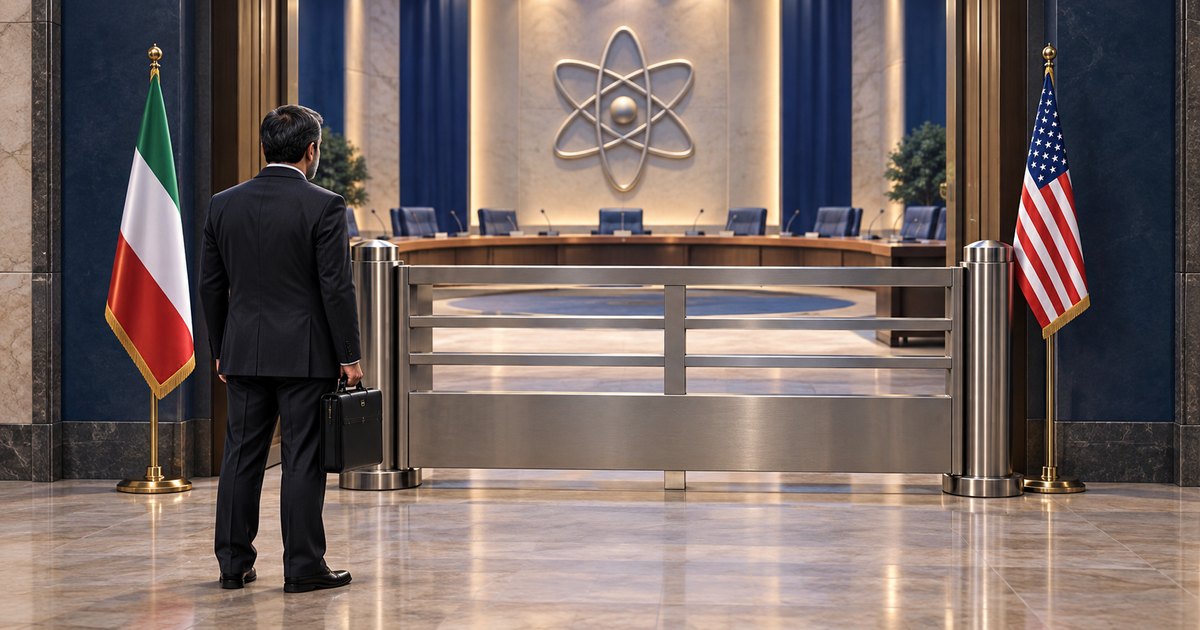
- US blocked Iran's nuclear chief Mohammad Eslami from attending the IAEA General Conference in Vienna.
- Snapback mechanism from the 2015 JCPOA used to oppose the sanctions exemption required for Eslami's attendance.
- Iran and Russia condemned the exclusion as a violation of Iran's member state rights.
The exclusion
The US blocked the exemption request under the "snapback" mechanism, a provision rooted in the 2015 Joint Comprehensive Plan of Action. Eslami had attended and spoken at the same event in 2025 without incident, making this year's exclusion a notable reversal. Iran sent lower-level officials to the conference instead.
US Energy Secretary Chris Wright justified the decision on institutional grounds. He argued that Eslami's participation would undermine the IAEA's credibility. The framing reflects Washington's broader concern about Iran's nuclear activities and the agency's independence.
Iran and Russia respond
Iran's ambassador to the IAEA, Reza Najafi, called the US action a blatant political maneuver that violated Iran's rights as a member state. The complaint carries weight given Iran's formal standing in the organization. Russia backed Iran's position, calling Eslami's exclusion unjustified.
Iran's grievance runs deeper. The country argues that the US withdrew from the JCPOA in 2018 but continues to leverage tools created by the deal it abandoned. That inconsistency—walking away from the accord yet wielding its enforcement mechanisms—shapes Tehran's interpretation of US intentions.
Context
The IAEA General Conference, running through September 18, 2026, brings together member states to discuss nuclear safety, compliance, and cooperation. When the deal was signed in 2015, it lifted a range of international sanctions on Iran in exchange for limits on the country's nuclear activities. The snapback mechanism was designed as a remedy if Iran breached those limits—but its use here to bar Eslami's attendance signals how the deal's tools have become instruments of broader diplomatic leverage.