Vitalik Buterin calls for verifiable chips to counter hardware wallet attacks
In brief
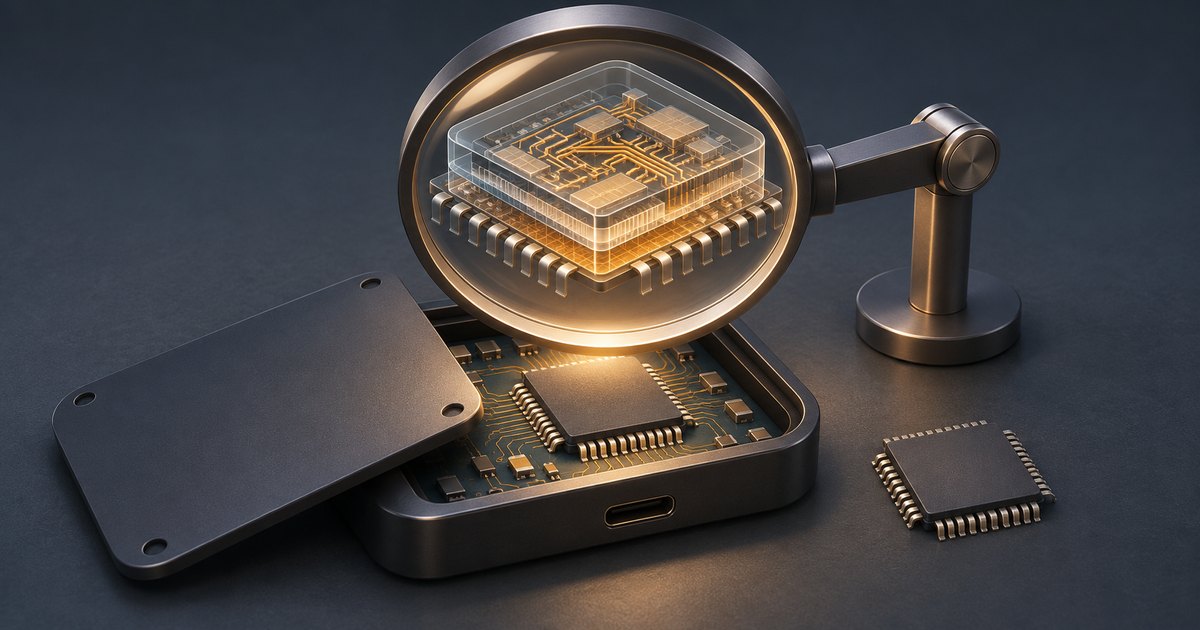
- Lookalike chips hiding malicious functions could power future hardware wallet attacks, Buterin warned.
- Published Verilog code alone isn't enough for real security verification, he argued.
- Verifiers also need GDS layout files and microscope access to finished chips, he said.
- Hardware industry split into separate performance and security camps is expected, according to Buterin.
- Security-focused hardware could end up 10x less efficient, he suggested.
Why Verilog isn't enough
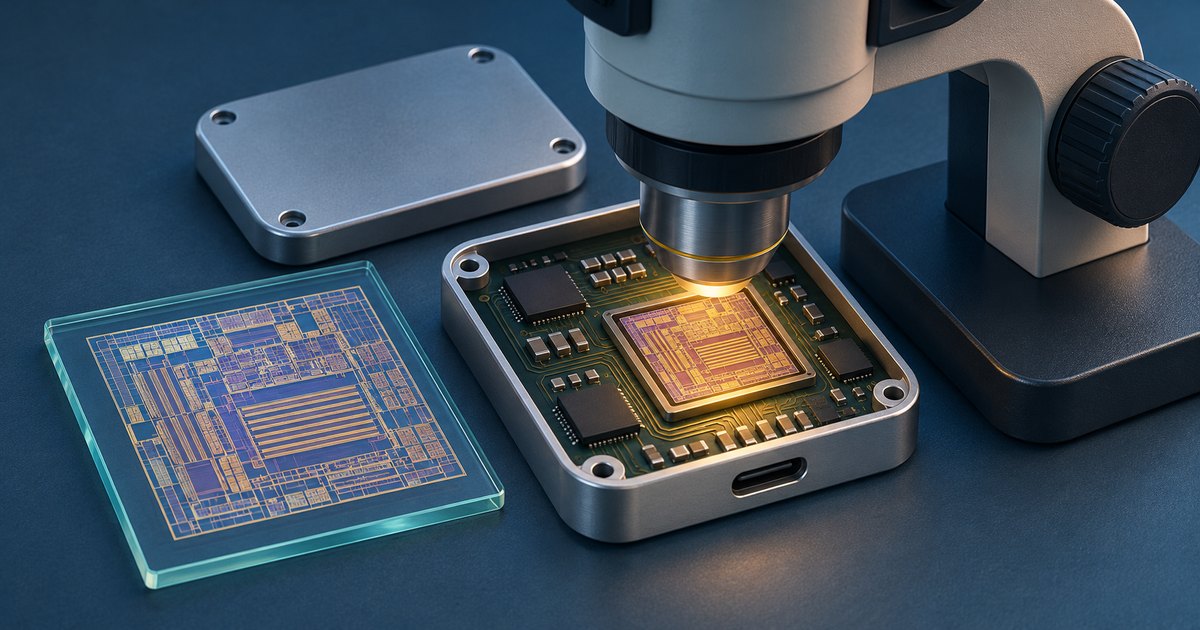
Buterin's argument is about where verification stops. Publishing the high-level code that describes a chip (Verilog, for example) isn't enough for real security verification, he wrote. He said verifiers also need the detailed physical layout files, known as GDS files, and the ability to examine finished chips under a microscope.
That's the gap.
Commercial open-source chips typically don't provide GDS files, Crypto Briefing reported, so independent verification stops before it reaches the silicon. The outlet noted that chip vendors often treat layout details as closely guarded intellectual property, which puts Buterin's ask at odds with how the industry operates.
Attacks that skip the firmware
Buterin referenced supply-chain attacks in which bad actors implanted eSIM-based devices into wallets to extract recovery phrases. According to the report, those attacks didn't require any changes to the wallet firmware. (Auditing the software won't catch a threat that sits underneath it.)
He also offered an extended version of a long-standing crypto self-custody slogan. Self-custody depends on every layer beneath the wallet app, he argued, and the chip is the bottom layer.
Crypto Briefing also reported that an October 2026 incident involving a compromised hardware wallet, linked to an unauthorized implant, drained $95.35 million from 1,486 addresses. The outlet didn't name a source for those figures.
Two kinds of hardware
Buterin said he expects the hardware industry to split into two camps. One focuses on performance. The other would be built from the ground up for security and verifiability, and he suggested it could end up 10x less efficient than performance-oriented hardware.
For wallet users, that's a real trade-off.
The post builds on earlier chip-design proposals from the Ethereum Foundation and on themes Buterin raised in his Devcon 8 keynote.
Frequently asked questions
Why does Vitalik Buterin say open-source chip code isn't enough?
Buterin argued that publishing high-level chip description code such as Verilog isn't enough for real security verification. He said most commercial open-source chips don't reveal enough about their physical construction for anyone to confirm what they actually are.
What are GDS files and why do they matter for hardware wallets?
GDS files are the detailed physical layout files for a chip. Buterin argued verifiers need them, along with the ability to examine finished chips under a microscope. Crypto Briefing reported that commercial open-source chips typically don't provide GDS files, and that vendors often treat layout details as closely guarded intellectual property.
What trade-off does Buterin expect for security-focused chips?
Buterin said he expects the hardware industry to split into two camps, one focused on performance and one built from the ground up for security and verifiability. He suggested the security-focused hardware could end up 10x less efficient than performance-oriented hardware.