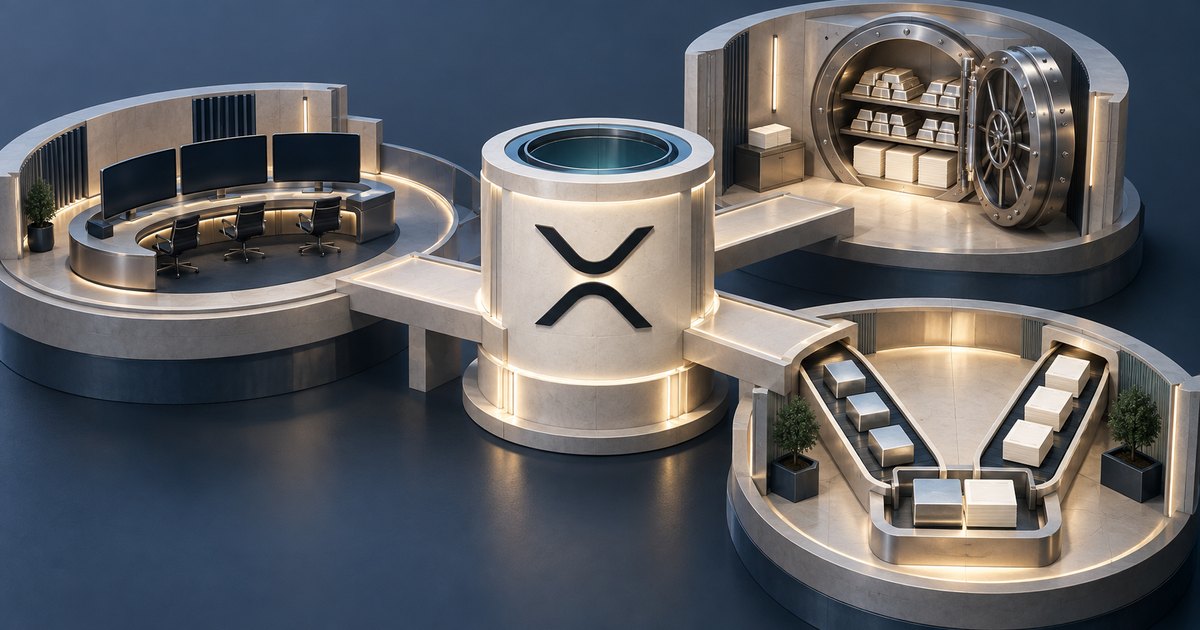
XRP Ledger Foundation releases lending vaults with 60-second to 30-year lock periods
In brief
- XRP Ledger Foundation released xrpld 3.4.0 with LendingProtocolV1_1 code for closed-ended vaults on September 16.
- Closed-ended vaults lock deposits for fixed terms ranging from 60 seconds to just under 30 years.
- Cash-basis accounting recognizes interest only when borrowers pay it, not at loan origination.
- Amendment had 13 of 35 trusted-validator votes as of September 17, below the 28-vote threshold.
- Adoption depends on whether applications and borrowers actually implement the new lending framework.
How closed-ended vaults work
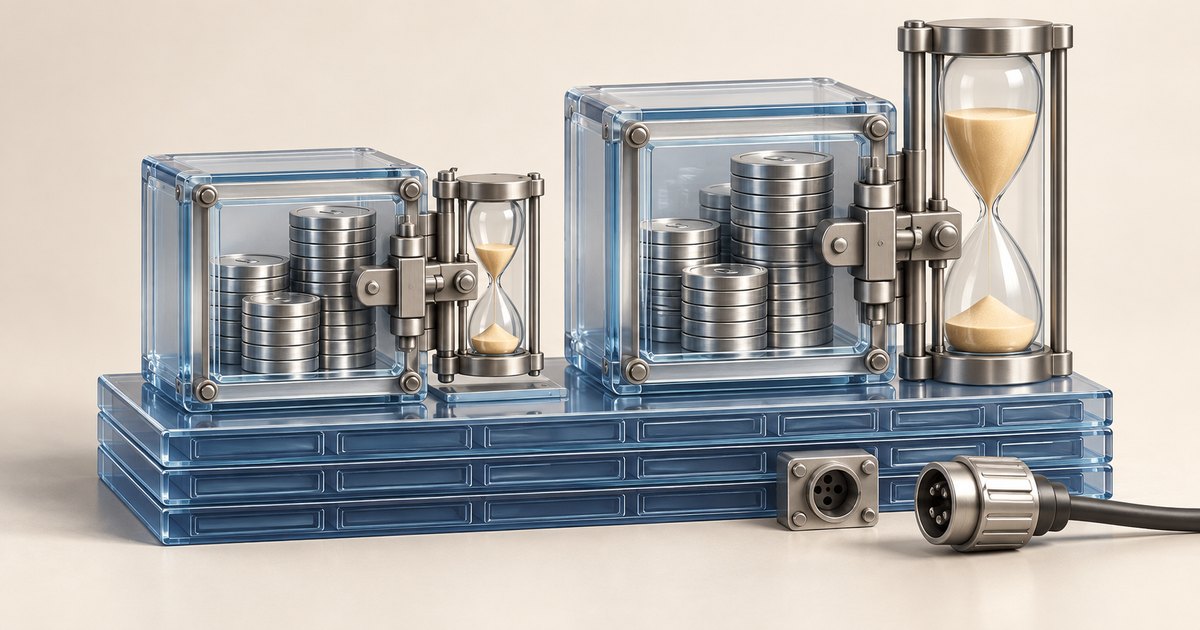
Closed-ended vaults allow depositors to commit assets for a fixed term and withdraw only at a set redemption date. The investment period can last from at least 60 seconds to strictly less than 30 years, creating a wide range of possible lock-up windows.
The vaults operate in two phases. During subscription, depositors can add assets and redeem their shares. Once the investment phase begins, the protocol enforces the advertised lock even if the depositor wants assets back early. This means capital stays committed for the full term, regardless of market conditions or personal circumstances.
Interest accounting and credit risk
Cash-basis accounting recognizes interest when a borrower pays it, rather than when a loan is originated. This differs from the earlier whole-life model, which counted scheduled interest upfront. The shift is conservative but incomplete — cash-basis accounting leaves underlying credit risks in place, meaning a borrower default still threatens vault deposits.
Single-asset vaults can use XRP, an issued trust-line token, or a Multi-Purpose Token. LendingProtocolV1_1 would limit newly created loan brokers to closed-ended vaults after activation, though open-ended lending objects created under earlier rules remain manageable and preserve their original behavior.
Activation and XRP demand remain uncertain
LendingProtocolV1_1 was not yet activated as of September 17, with the amendment receiving 13 of 35 trusted-validator votes. Activation requires 28 votes, so the proposal is still far from consensus. XRP demand from the lending system depends on later choices by applications, borrowers, and depositors. Code alone doesn't drive adoption — builders must integrate the vaults, borrowers must seek loans, and depositors must lock capital for extended periods.