AI data center cooling shifts water burden to power plants, Crypto Briefing says
In brief
- Newer AI data center cooling cuts local water use but raises power plant water consumption, Crypto Briefing says.
- Closed-loop and air-cooling systems need more electricity, shifting water demand to thermoelectric plants.
- Lawrence Berkeley National Laboratory flagged the trade-off, according to Crypto Briefing, which cited no figures.
- Crypto Briefing speculates the issue could reach Texas regulators, including TCEQ and ERCOT.
Where the water goes
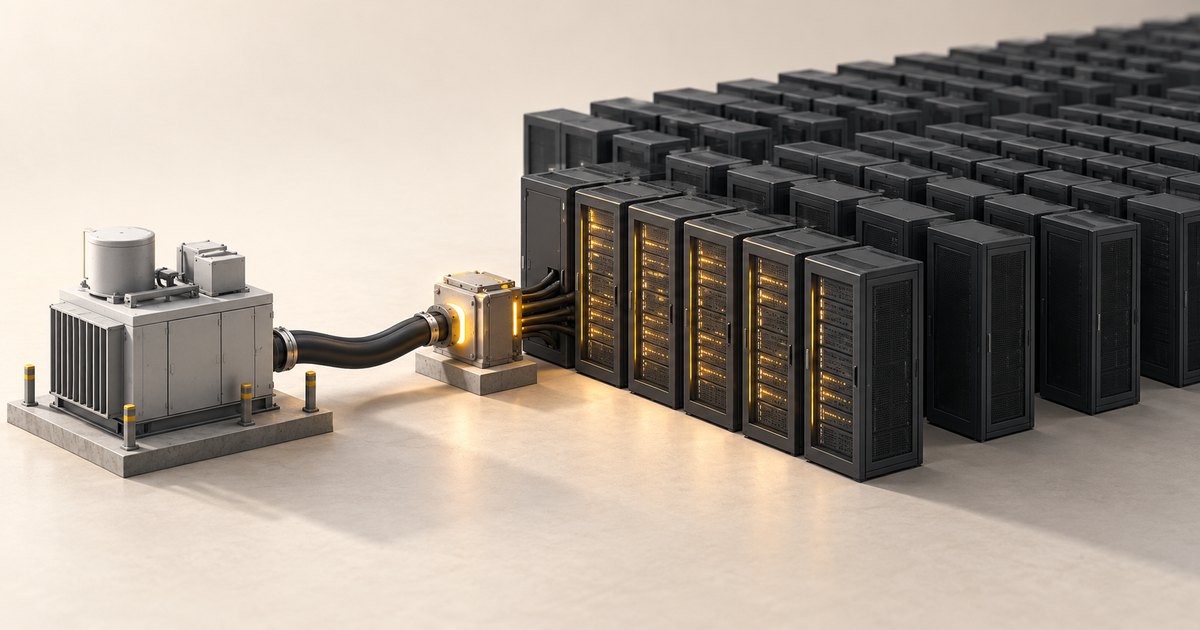
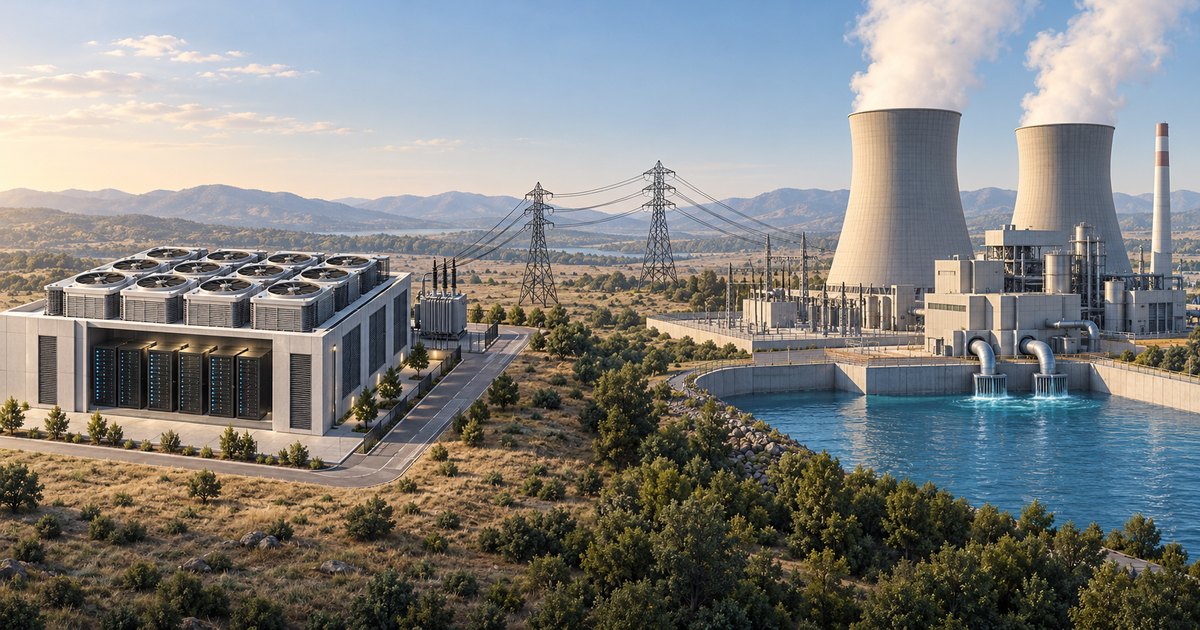
So where does the water actually go? Crypto Briefing reported that closed-loop and air-cooling systems reduce on-site water usage, but they need more electricity to run. That extra power has to be generated somewhere, and in the outlet's telling it's thermoelectric power plants that pick up the water demand.
The data center uses less water. The plant uses more.
The publication named Nvidia, Microsoft, Amazon Web Services and Meta as major operators implementing closed-loop or air-cooling systems (that's Crypto Briefing's characterization, and the companies' specific setups aren't detailed in the report).
The Berkeley Lab estimate
Crypto Briefing cited the Lawrence Berkeley National Laboratory, which it said highlighted the trade-off. According to the outlet, the lab estimated significant indirect water usage through electricity generation compared with direct data center consumption.
There's a gap here, though. The source didn't give specific figures, so the size of that indirect footprint isn't quantified anywhere in the piece, and readers can't easily weigh how big the shift from data center to power plant really is.
That's the whole argument in one line: less water at the data center, more at the plant.
The Texas angle
The outlet went further and speculated about policy. It said the cooling developments may prompt regulatory discussions in Texas, which could affect the likelihood of a moratorium. The report doesn't describe any regulatory action actually taken.
Crypto Briefing named the Texas Commission on Environmental Quality and the Electric Reliability Council of Texas (ERCOT) as key actors in any such talks. It said observers should watch for legislative or executive actions from Texas Governor Greg Abbott, and that announcements from major utilities or audits by ERCOT could give further signs of possible policy shifts.
For now, it's a watch list. It isn't policy, and it's Crypto Briefing's read on where the pressure from AI's cooling choices could eventually land.
Frequently asked questions
Why would new data center cooling increase water use at power plants?
According to Crypto Briefing, closed-loop and air-cooling systems reduce on-site water usage but require more electricity. That added power demand shifts the water burden to the thermoelectric power plants supplying the electricity, increasing water consumption at those plants even as on-site use falls.
Is Texas regulating AI data center water use?
Not according to the report. Crypto Briefing speculated that the cooling developments may prompt regulatory discussions in Texas, which could affect the likelihood of a moratorium. It named TCEQ, ERCOT and Governor Greg Abbott as actors to watch, and it didn't describe any action already taken.