Pat Gelsinger says flat US energy capacity is now the main limit on AI data centers
In brief
- US energy capacity has been effectively flat for 15 years, Gelsinger said.
- Capacity growth is now about 4% a year, short of AI demand, he said.
- Gas turbine deliveries take roughly eight years, according to Gelsinger.
- Data center project defaults will increase as power arrives late, Gelsinger expects.
- Alva Energy and PowerLattice are energy ventures tied to Gelsinger.
The math behind the ceiling
Gelsinger's argument is simple. The US has been adding renewable capacity and retiring coal plants, and he said those two trends have nearly cancelled each other out. He did acknowledge that capacity growth has picked up to about 4% annually. In his view, that pace still falls well short of what AI and data center operators will need.
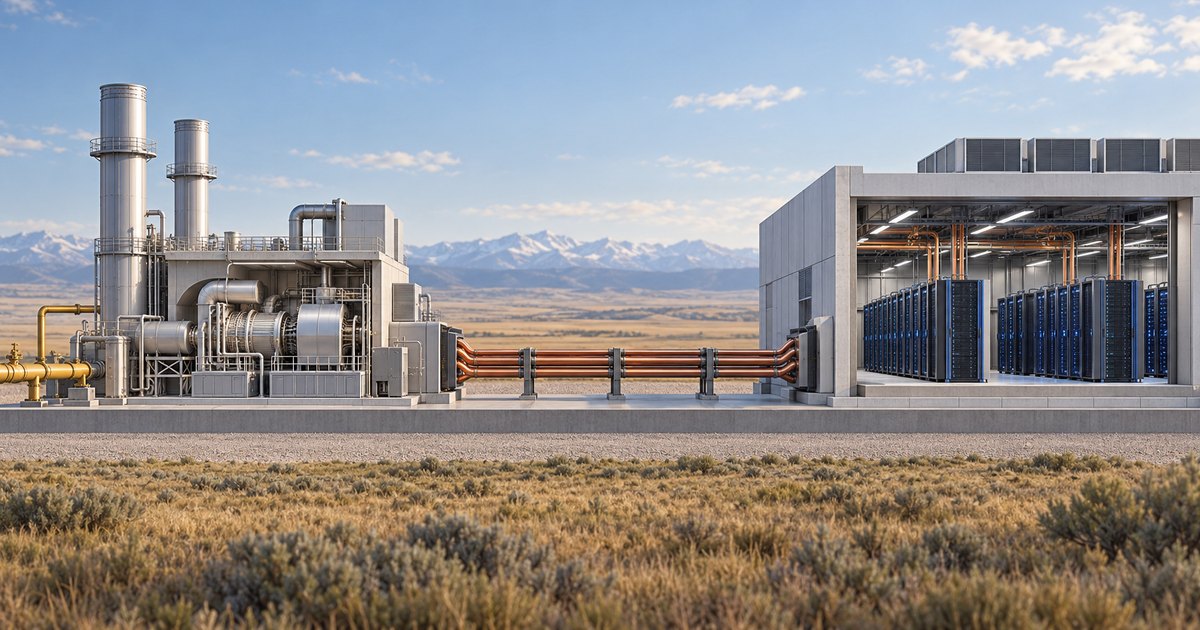
The supply side doesn't move quickly either. Gelsinger said gas turbine deliveries now take approximately eight years.
That's the core of his case: power, not silicon.
"Why build a new data center and buy the million GPUs if I can’t power them?"
Who feels it first
Gelsinger said the industry should expect more defaults on data center projects as power needs go unmet on schedule. That's his forecast, not an established trend. According to Crypto Briefing, the immediate pressure falls on hyperscalers and chipmakers with large capital expenditure commitments, since their plans assumed power would be available when the hardware arrived.
He's not the only one saying it. Crypto Briefing reported that executives at companies including Cerebras and Nebius have made similar observations, saying demand for AI compute is running far ahead of available supply.
Where Gelsinger sits
It's worth knowing where he stands financially. Beyond his Playground Global role, Gelsinger has been involved with energy-focused ventures Alva Energy and PowerLattice, which work on efficiency and new capacity. Those are exactly the kinds of businesses that would gain if the gap he's describing gets closed.
Crypto Briefing tied his comments to recent policy discussions around permitting reform and grid modernization, which it described as closely linked to these capacity concerns.
Frequently asked questions
Why does Pat Gelsinger say power is the bottleneck for AI data centers?
On an a16z podcast on October 9, 2026, Gelsinger argued that US energy capacity has been effectively flat for 15 years because renewable additions and coal retirements nearly cancelled each other out. He said growth has picked up to about 4% annually, but that's well short of what AI and data center operators will need.
Does Gelsinger have a stake in fixing the US energy gap?
Yes. Gelsinger is a general partner at Playground Global and has been involved with energy-focused ventures Alva Energy and PowerLattice, which work on efficiency and new capacity. Those ventures would likely benefit if the capacity shortfall he describes gets addressed.