Apollo: Top 10% of AI Customers Drive 99.5% of Infrastructure Spend
In brief
- Top 10% of AI customers drive 99.5% of model-serving spend and 99% of neocloud spend
- GPU vendor adoption jumped to 10% of software firms, up from under 4% in two years
- Most firms treat AI compute as operating expense, enabling rapid scaling without capital investment
- Infrastructure revenue growth masks dangerous customer concentration and procurement risk
The concentration problem
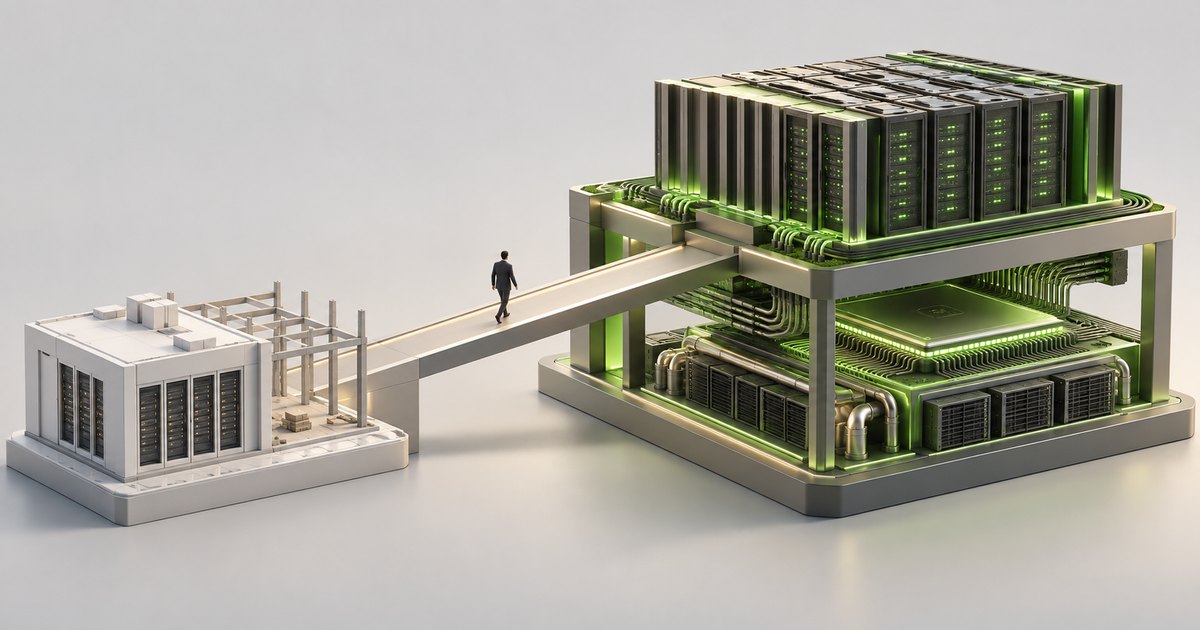
The data paints a stark picture. The top 10% of AI customers are responsible for 99.5% of model-serving spend and 99% of neocloud spend, according to Slok's analysis. For comparison, non-AI SaaS solutions show far greater distribution: the top 10% of firms account for 91.8% of expenditure, and CRM software is even more distributed, with the top decile responsible for 84.2% of spend.
This concentration emerged rapidly. Roughly 10% of software-spending businesses on Ramp now engage a GPU vendor, up from under 4% just two years ago. Model-serving and inference participation jumped from 2.4% to 8.7% of firms over the same period, while neocloud utilization climbed from 2.0% to 3.3%.
Why firms can exit quickly
The structure of AI spending explains part of this risk. Most firms are opting for cancellable software subscriptions for AI technologies rather than investing in owned hardware. This choice matters enormously. Companies treating AI compute as an operating expense rather than a capital investment can scale down quickly, with no sunk costs keeping them locked in.
That flexibility creates a hidden vulnerability for vendors. A procurement team representing one of those top 10% customers can pivot to a competitor or cut spending entirely without the friction that locks in traditional software contracts. No capital equipment gathering dust. No multi-year depreciation schedule to justify.
The investor risk
For investors evaluating AI infrastructure companies, these findings suggest that top-line revenue growth may be masking underlying customer concentration risks. A company can report strong quarterly numbers while remaining dangerously dependent on purchase decisions made by a dozen procurement teams.
The implication is plain: an AI infrastructure firm's headline revenue can look healthy while its actual customer base is fragile. Lose three major customers, and the entire growth story evaporates. Investors scanning earnings calls should ask harder questions about customer concentration, churn rates, and switching costs.
Slok's analysis doesn't predict collapse. It flags a structural risk that markets may not yet be pricing in.