Bitcoin fork replay-attack risk: BIP-110 could drain real BTC
In brief
- Bitcoin may split if BIP-110 reaches 55% miner signalling this weekend
- Replay attacks could drain real BTC when selling fork-chain coins unsafely
- Holders who don't sell face no risk; chain separation needed before trading
- Miner signalling for BIP-110 was 2.6% Friday, far below 55% activation threshold
How the fork and replay attack work
Bitcoin may split into two chains in the next few days if BIP-110 gains sufficient miner support. The proposal would keep pictures, text, and other non-payment data out of bitcoin transactions for a year. BIP-110 requires 1,109 marked blocks out of a 2,016-block stretch, or 55%, for miner agreement.
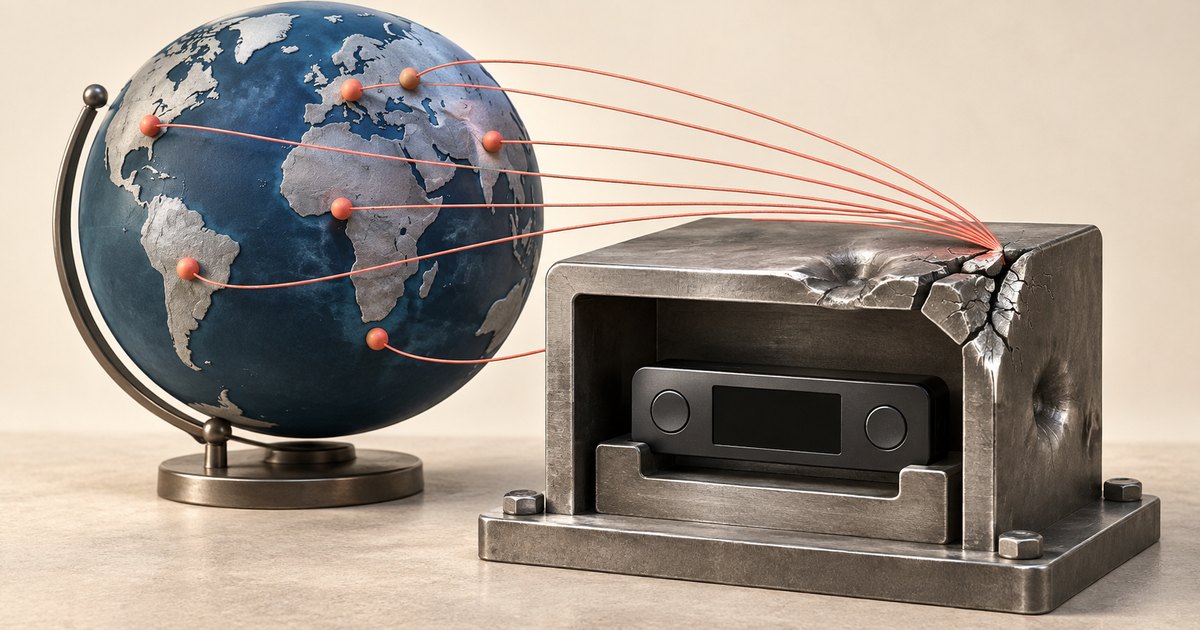
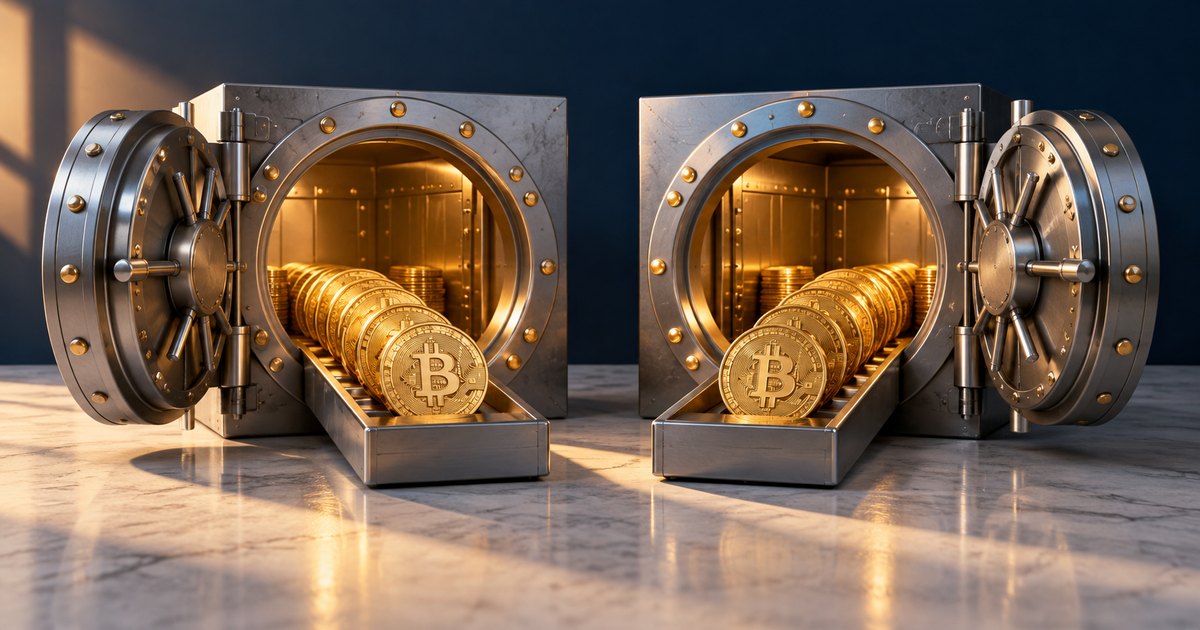
If a fork occurs, everyone who holds bitcoin ends up holding the same balance twice, once on each chain. Here's where it gets dangerous: both chains initially accept identical transactions. A transaction signed to send the fork coins can also be broadcast on bitcoin itself, transferring real BTC. This is a replay attack.
The attack doesn't drain an entire wallet. Only the coins put up for sale move, and they leave as real bitcoin rather than fork coins. Large holders could be targeted first, Loaec said.
The activation timeline and current signalling
From block 961,632, expected this weekend, computers running BIP-110 software will reject any block that does not carry the mark. But miner signalling is running near 2.6% as of Friday, well below the 55% threshold needed for consensus activation.
At such low signalling, a minority branch could produce blocks very slowly or stop advancing altogether. That doesn't eliminate risk — even a slow fork can be exploited. The actual restrictions on transaction data don't switch on until block 965,664, expected around the start of September, giving attackers a window to operate before automatic replay protection activates.
The safest move
Bitcoin developer Kevin Loaec, who flagged the risk on X this week, said large holders could be targeted first. Doing nothing will be a safer option, he stated, as coins that never move cannot be replayed because there is no signed transaction to copy.
The safest move for anyone who does not know how to separate the two balances is to leave the coins alone. Holders who want to sell fork coins would need to deliberately create coins that exist on only one branch before spending safely. This requires technical knowledge most users don't have.
Until the chains can be cryptographically separated, inaction beats improvisation.
Frequently asked questions
What is a replay attack in a Bitcoin fork?
A replay attack occurs when a transaction signed to send fork-chain coins is also broadcast on the original Bitcoin chain, draining real BTC from the same wallet. Both chains initially accept identical transactions, making this possible until they implement cryptographic separation.
Is my Bitcoin at risk if I do nothing?
No. Coins that never move cannot be replayed because there is no signed transaction to copy. The safest move for holders who don't know how to separate balances is to leave their coins alone until the chains are cryptographically separated.
What is BIP-110 and why would it cause a fork?
BIP-110 is a proposal that would keep pictures, text, and other non-payment data out of Bitcoin transactions for a year. If it reaches 55% miner signalling (1,109 marked blocks out of 2,016), nodes running BIP-110 software will reject blocks without the mark, creating a chain split.