Bybit pursues MiFID II license for crypto-stocks trading in Europe

In brief
- Bybit received MiCA authorization from Austria's FMA on May 28, 2025
- Bybit.eu launched by July 2025 with spot, margin trading (10x cap), and Bybit Card
- Bybit X GmbH submitted MiFID II application in September 2025 for EEA derivatives
- MiFID II approval would enable European access to perpetual contracts launched globally April 2026
- Dual-license strategy positions Bybit against both crypto exchanges and traditional brokerages
The regulatory strategy
Bybit EU GmbH received Crypto-Asset Service Provider authorization under MiCA on May 28, 2025. That cleared the crypto side. Six months later, Bybit X GmbH submitted an application for a MiFID II license in September 2025 — a move that signals ambition beyond crypto compliance.
MiFID II (Markets in Financial Instruments Directive II) is the EU's framework for regulating investment firms. It's what traditional brokerages operate under. By pursuing both licenses, Bybit is positioning itself to compete not just with other crypto exchanges but with traditional brokerages and investment platforms.
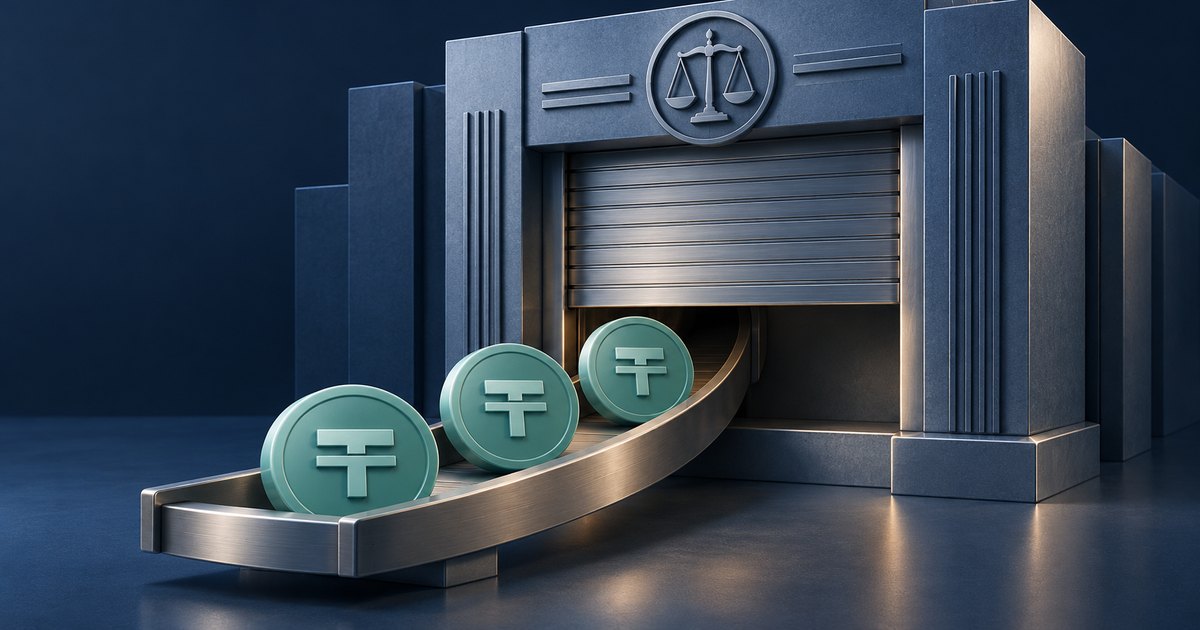
European users can't access Bybit's global perpetual contracts, which launched in April 2026 and trade US stocks, ETFs, and commodities 24/7 on USDT settlement. Regional compliance boundaries keep those products locked behind a firewall. MiFID II approval would remove that wall.
The competitive angle
Most crypto exchanges have focused on MiCA compliance as the primary regulatory target. Coinbase, Kraken, and Bitstamp have pursued or secured European licenses, each taking slightly different paths. Binance operates in Europe through various national registrations rather than a unified license. OKX has been expanding its European presence as well.
Bybit's dual-license approach stands apart. It's not just seeking crypto authorization — it's chasing the keys to the traditional finance kingdom. If approved, the MiFID II license would let European users trade regulated derivatives (futures, options) on the same account they use for spot crypto, collapsing the friction between crypto and legacy markets.
The exchange has capped margin trading at a level that aligns with European investor protection norms — 10x leverage in the EEA versus higher limits elsewhere. It's a signal Bybit is building for the region, not just extracting from it.