Capital B Bitcoin holdings surge 12% but per-share value stalls amid dilution
In brief
- Capital B's Bitcoin holdings increased 12% from 3,145 BTC to 3,521 BTC between August 17 and September 7.
- Per-share Bitcoin ownership barely moved despite treasury growth, due to share dilution from new issuance.
- August 28 financing attached four warrants per share, compounding dilution for existing shareholders.
- Capital B trades on Euronext Growth Paris and adopted Bitcoin strategy in November 2024.
- Treasury company shares represent business ownership, not direct Bitcoin—management controls acquisition and sale timing.
The Dilution Trap
Capital B's Bitcoin treasury holdings increased from 3,145 BTC to 3,521 BTC between August 17 and September 7. On paper, that's a win. But Bitcoin per share barely moved under the company's calculation, which includes some shares that could be created in the future.
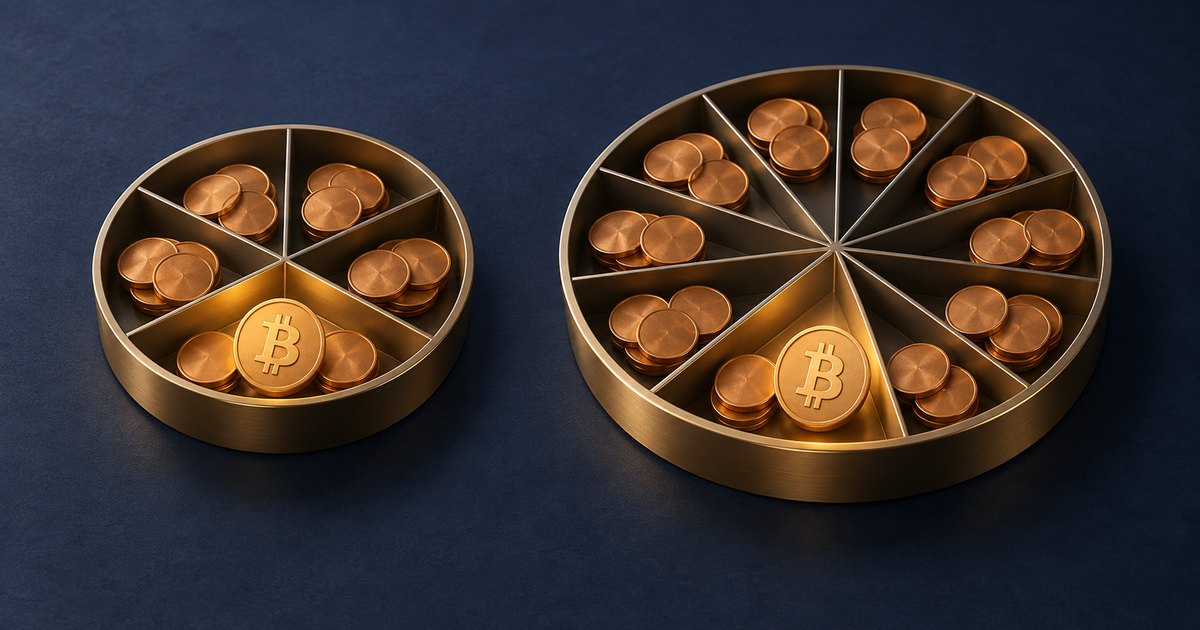
The culprit: new shares issued during a financing round. Selling new shares raises cash, but existing shareholders then own a smaller percentage of the company. More Bitcoin came into the business alongside more claims to ownership.
How Capital B Got Here
Capital B is listed on Euronext Growth Paris and adopted its Bitcoin strategy in November 2024. Previously known as The Blockchain Group, it also retained technology-services businesses. Its operating-company portfolio includes iORGA, which builds web applications, and Trimane, which supplies business-intelligence and AI consulting.
In late August, Capital B's financing terms attached four warrants to each share, with different exercise prices and five-year maturities. These instruments create future dilution risk—warrant holders can exercise their options to buy additional shares at set prices, further thinning existing ownership.
The Ownership Question
Treasury companies face a structural choice. Borrowing preserves shareholders' percentage for the moment while adding a repayment obligation. Equity raises fund Bitcoin buys without debt but dilute ownership immediately.
Capital B chose equity. The result: shareholders own a slice of a bigger Bitcoin pile, but their slice got smaller. A Bitcoin treasury company's shares' value depends on management decisions and Bitcoin's price. When management adds Bitcoin but dilutes ownership faster than the Bitcoin price appreciates, per-share value stalls—even if the absolute treasury grows.