Cardano Foundation launches CIP-0113, letting issuers freeze and restrict tokens

In brief
- CIP-0113 token standard went live after independent security audits, the Cardano Foundation said.
- Issuers can restrict recipients and freeze or seize holdings when rules require it.
- Cardano's network checks the rules before any transfer goes through.
- No hard fork was required, according to the foundation.
- Authorized parties could move tokens without the holder's consent, depending on the rules.
How CIP-0113 works
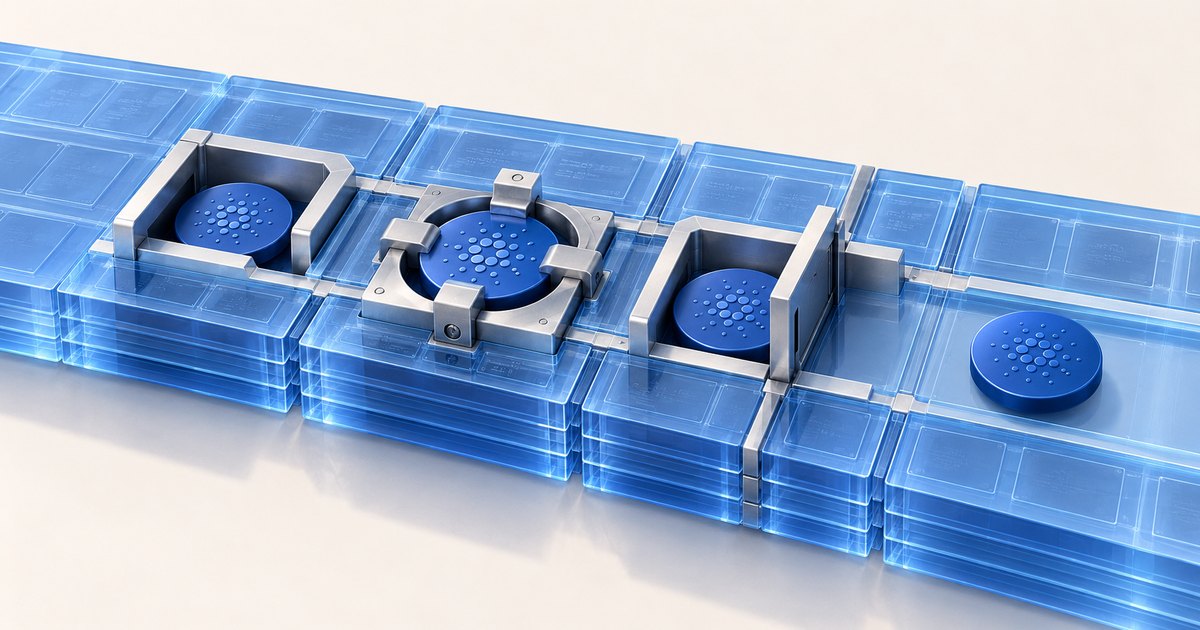
Regulated issuers have obligations that don't disappear once an asset goes on-chain. They have to keep tokens away from buyers who haven't passed identity checks and from sanctioned addresses, and they must be able to freeze assets when a regulator or court orders it, CoinDesk reported. CIP-0113 builds those controls into the token itself, so the network checks the rules before any transfer goes through.
That's the core change.
The design keeps the tokens in a shared smart contract on Cardano that controls how they can be moved. The restrictions apply whenever the tokens move (including between holders using different wallets or services). A stablecoin issuer, for example, could stop its tokens from reaching a sanctioned address. Issuers can select existing sets of rules or write their own, and they can update them as regulations change. The standard uses capabilities already available on Cardano and didn't require a hard fork, per the foundation's announcement.
"The rules have to travel with the asset and be enforced every time it moves," Frederik Gregaard, chief executive of the Cardano Foundation, said in a statement to CoinDesk.
Ecosystem support and trade-offs
The foundation named wallets Eternl and GeroWallet, the blockchain explorer CardanoScan and developer-tool provider BloxBean among the tools supporting the launch. It also announced recognition under the certification framework of the Capital Markets and Technology Association (a Swiss industry body).
Holders face a trade-off. Depending on a token's rules, an authorized party could move tokens without the holder's consent. The technical specification tells lending services to examine those powers before accepting a token as collateral.
Cardano isn't first
CoinDesk noted that other chains already offer similar features. Ethereum has permissioned token standards such as ERC-3643, Solana added transfer controls through its token extensions, and XRP Ledger issuers can restrict holders and claw back balances.
On the market side, ADA was down 4.5% over the prior 24 hours alongside a broader market drop, according to CoinDesk's figures.
Frequently asked questions
What is Cardano's CIP-0113 token standard?
CIP-0113 is a Cardano improvement proposal that lets issuers of stablecoins, funds and bonds decide who can receive their assets and freeze or seize holdings when the rules require it. The Cardano Foundation said it went live after independent security audits.
How does CIP-0113 enforce transfer rules?
The standard builds the controls into the token, so the network checks the rules before any transfer goes through. The tokens sit in a shared smart contract on Cardano, and the restrictions apply whenever they move, including between different wallets or services.
Did CIP-0113 require a Cardano hard fork?
No. According to the Cardano Foundation's announcement as reported by CoinDesk, the standard uses capabilities already available on Cardano and required no hard fork.
What risks does CIP-0113 pose for token holders?
Depending on a token's rules, an authorized party could move tokens without the holder's consent. The technical specification tells lending services to examine those powers before accepting a token as collateral.