China's factories surge 5.2% as retail sales stall at 0.4%, widening economic divide
In brief
- Industrial output surged 5.2% year-over-year in August, beating July's 4.5% and consensus forecasts.
- Retail sales grew just 0.4% in August, down from 0.6% in July and below 0.8% expectations.
- Property investment plunged nearly 20% year-over-year through August, eroding household wealth.
The divergence widens
China's National Bureau of Statistics released the data on September 15, painting a portrait of structural imbalance. Industrial strength masks consumer weakness. Fixed-asset investment contracted 7.2% during January through August, worsening from a 6.7% decline through July. The picture gets grimmer when you look at property.
Property investment plunged nearly 20% year-over-year across the first eight months of the year. This isn't just a real estate story. For most Chinese households, real estate represents the bulk of their wealth. When property values fall, consumer spending collapses—and that's exactly what we're seeing.
Why it matters
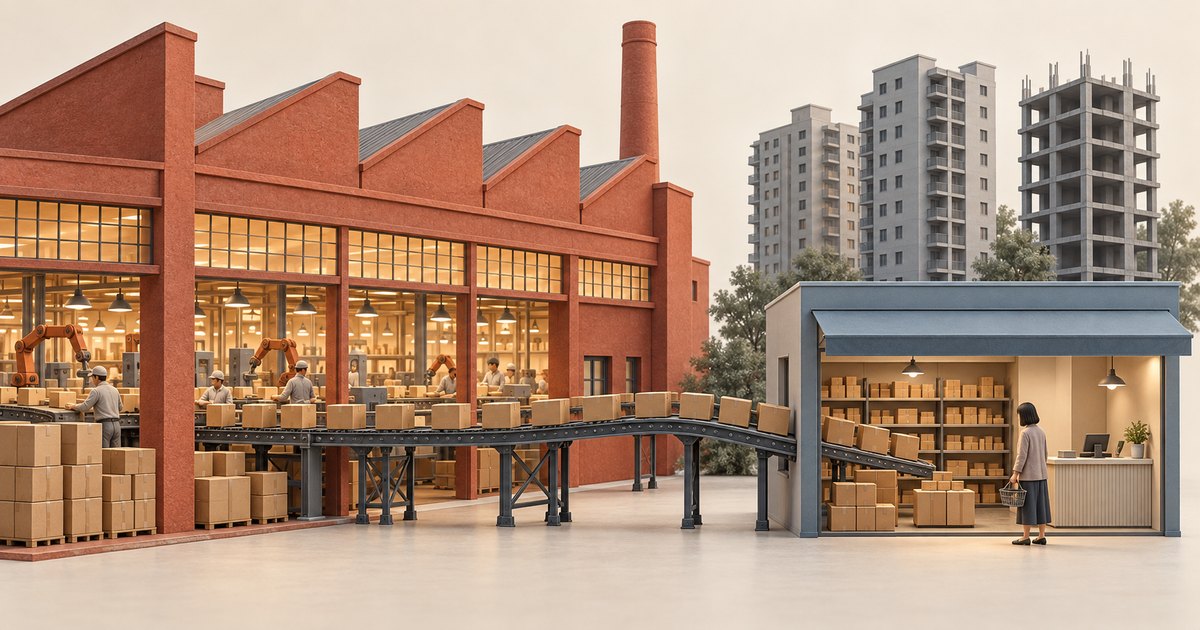
The divergence isn't new, but it's accelerating. Retail sales contracted 0.6% in May, marking the first outright decline since late 2022. Since then, growth has remained anemic. Officials have acknowledged the problem in unusually direct terms. Government statements have pointed to acute pressure from oversupply—factories churning out goods that domestic demand simply can't absorb.
This dynamic forces a choice. Either China stimulates consumer spending to match factory output, or it leans harder on exports to clear inventory. The second path is the easier one politically, but it carries global consequences. Increased reliance on export markets risks saturation and potential trade friction, especially if major trading partners perceive dumping of surplus goods.