Korea Exchange's debut after-hours session roiled by retail-driven volatility
In brief
- Korea Exchange launched first after-hours session September 14, 4 p.m. to 8 p.m. local time.
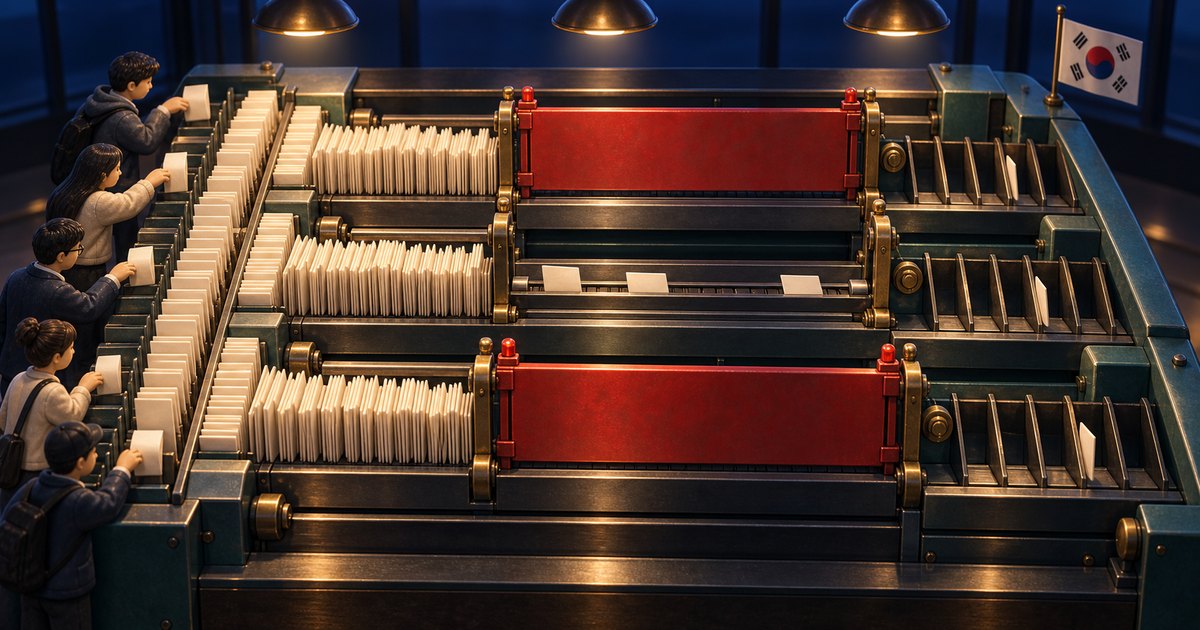
- Debut session generated 1.8 trillion won ($1.33 billion) turnover across 2,501 stocks, retail investors 93%.
- Volatility halts triggered 1,637 times—four times normal daytime frequency—signaling liquidity constraints.
Retail Dominance Amid Thin Liquidity
Retail investors accounted for 93% of total turnover in the debut session. Foreign investors contributed just 3.9%, while institutional participation was essentially absent. The composition matters because retail traders, lacking the algorithmic sophistication and capital reserves of institutions, tend to cluster orders around psychological price levels—amplifying volatility when liquidity dries up.
The session covered 72.24 million shares across 2,501 stocks, representing over 95% of listed KOSPI and Kosdaq names. Yet the 1.8 trillion won in volume represented roughly 7% of average regular-hours turnover, exposing a critical gap. Thin order books meant even modest retail trades could swing prices sharply. Shares of Hanwha Galleria surged 14.6% before pulling back during the session—a move that wouldn't register in daytime trading.
Circuit Breakers at Four Times Normal
The volatility interruption mechanisms activated 1,637 times—more than quadruple the approximately 400 activations in a typical daytime session. This wasn't a minor friction; it was a structural warning sign.
Institutional investors stayed on the sidelines. Many institutional mandates restrict trading to core hours, and algorithmic trading firms need time to calibrate strategies for the new after-hours window. Without these sophisticated liquidity providers, the market leaned entirely on retail order flow.
Path Forward
Analysts have flagged the liquidity gap as the central challenge for KRX's extended session going forward. If after-hours trading continues to trigger halts at four times the normal rate, KRX may face pressure to introduce additional safeguards or adjust market-making obligations. The exchange could mandate minimum order sizes, tighten tick spreads, or incentivize institutional participation through rebates.
Korea's move mirrors global ambitions. Major exchanges like Nasdaq and NYSE have offered extended hours for years. But the September 14 debut shows that launching after-hours trading is easier than stabilizing it. Without institutional depth and algorithmic support, retail-dominated sessions risk becoming venues for price discovery—not price stability.