Customer wallets drove $121,000 of $1.64M in OKX tokenized stock trades on day one

In brief
- OKX opened round-the-clock trading in six USDC-paired stock tokens at noon ET on Nov. 23.
- Stock tokens listed: Coinbase, Securitize, Strategy, BitGo, Robinhood and Circle.
- Allium tracked $1.64 million in first-day trades; customer wallets accounted for $121,000.
- A liquidity provider accounted for 93% of the total, including pre-opening activity, according to Allium.
- Trades execute in Uniswap v4 pools on X Layer and can diverge from the share price.
What's trading, and who runs it
The launch lineup paired Coinbase (COIN), Securitize (SECZ), Strategy (MSTR), BitGo (BTGO), Robinhood (HOOD) and Circle (CRCL) with USDC. All six recorded trades on Nov. 23. They were still the only pairs in the venue's public asset list when checked on Nov. 24, though OKX said it has confirmed 113 assets for a rolling rollout (stocks, ETFs and exchange-traded products included).
OKXICE LLC operates the service. It's a joint venture between affiliates of OKX and Intercontinental Exchange, the parent company of the New York Stock Exchange, but OKX said the NYSE has no role in running or overseeing the venue. OKXICE said it operates under temporary, conditional SEC relief from the statutory definition of an exchange. It also said Securitize Markets tokenized the six stocks, and that underlying shares back the tokens one-for-one through the tokenizer's brokerage arrangements.
Access isn't instant. Customers have to meet geographic eligibility rules, verify their identity, activate a self-custodial CeDeFi Wallet and complete onboarding (the venue also screens wallets and checks permission before each trade).
Prices come from pools
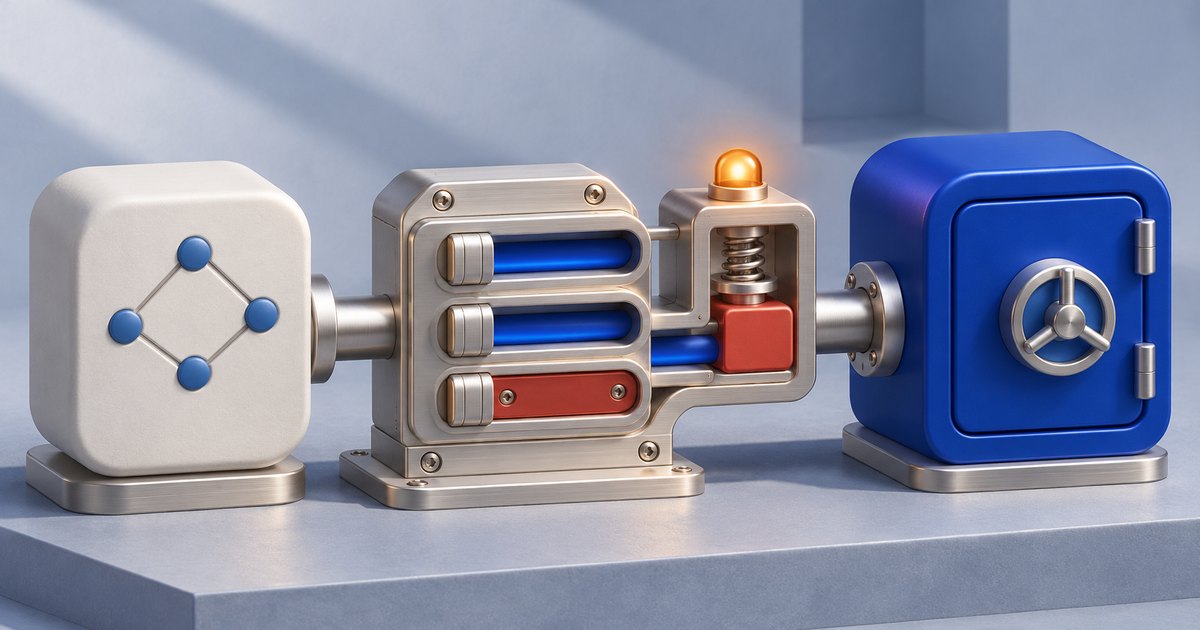
Trades execute in Uniswap v4 liquidity pools on OKX's X Layer network. The venue simulates each order against available liquidity before showing a quote. Liquidity providers can commit funds to specific price ranges, so order size and the funds sitting near the current price shape what a customer actually gets.
OKX said those trades can clear at a different price from the underlying share, especially outside regular market hours.
The venue stops trading a token when the exchange listing the underlying stock halts or suspends the shares, and it won't resume until that primary exchange does. Its rules also provide for stoppages tied to volume limits and risk controls.
The first-day numbers
At midnight ET on Nov. 24, OKX's daily statistics showed about $1.22 million held across the six pools. Robinhood's pool held about $353,000. Securitize's held about $31,000.
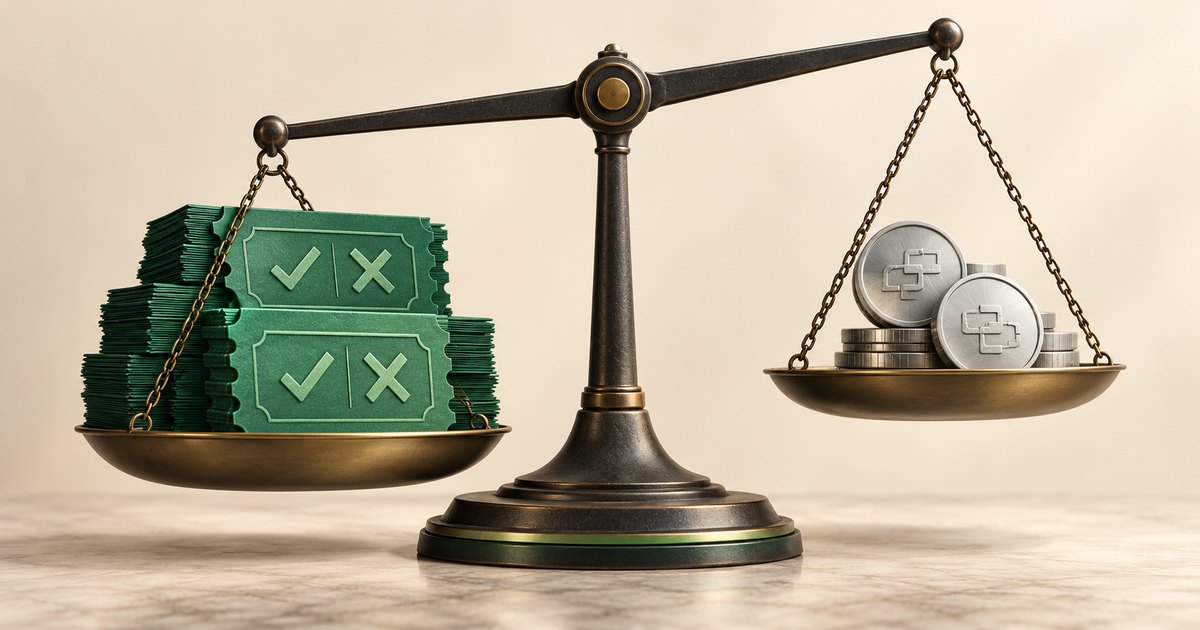
Allium's tally is where the 7% figure comes from: $121,000 in customer-wallet trades out of $1.64 million tracked through 4 p.m. ET. There's a caveat worth reading closely. The count includes activity before the noon customer opening, and Allium attributed 93% of the total to a liquidity provider, so it's a whole-day split rather than a measure of customer share after the doors opened.
Frequently asked questions
How are prices set for OKX's tokenized stocks?
Trades execute in Uniswap v4 liquidity pools on OKX's X Layer network, and the venue simulates each order against available liquidity before showing a quote. Order size and the funds liquidity providers have committed near the current price affect the result. OKX said trades can clear at a different price from the underlying share, especially outside regular market hours.
Who operates OKX's 24/7 stock token venue?
OKXICE LLC, a joint venture between affiliates of OKX and Intercontinental Exchange, operates the service. OKX said the NYSE has no role in running or overseeing the venue. OKXICE said it operates under temporary, conditional SEC relief from the statutory definition of an exchange.
What does the 7% customer share figure measure?
Allium's first-day analysis tracked $1.64 million in trades through 4 p.m. ET on Nov. 23, of which customer wallets accounted for $121,000. The tally includes activity before the noon customer opening, and Allium attributed 93% of the total to a liquidity provider.