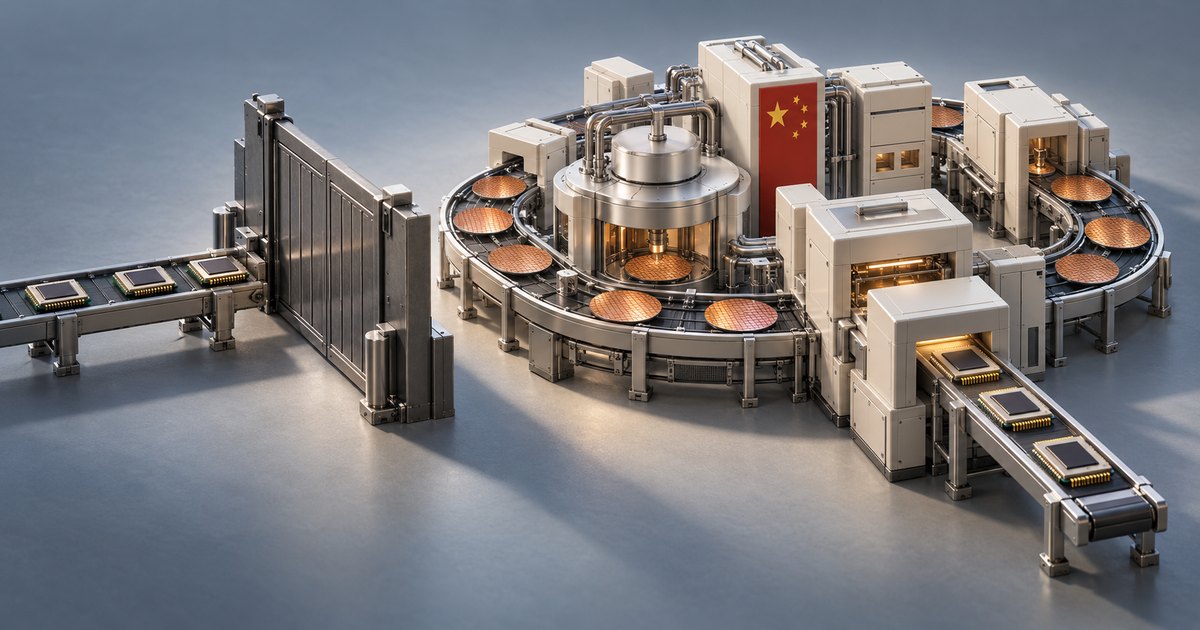
CXMT plans limited HBM3E production despite 20%-30% yields, Reuters reports
In brief
- CXMT plans limited commercial HBM3E production within two months, Reuters' sources say.
- CXMT's HBM3E yields stand at 20% to 30%, according to the same sources.
- SK Hynix reportedly achieves around 70% yields on comparable products, an unconfirmed figure.
- US export controls since December 2024 cut China off from foreign HBM suppliers.
- LeoDex News couldn't independently verify the report; CXMT didn't comment on record.
What Reuters reported
Reuters' sources put CXMT's HBM3E yields at 20% to 30%. Yield is the share of chips from each silicon wafer that pass testing and can be sold (so a low number means most of the output can't be shipped). CXMT hasn't commented on the record in the report, and none of the plans, yields or timelines here are confirmed.
The planned launch is limited. It isn't a full-scale ramp.
Research findings cited by Reuters say CXMT's production capabilities align more closely with HBM3, the previous generation, than with the HBM3E standard. Reuters also reported that CXMT's HBM3E trails leading South Korean competitors in testing, and the report says SK Hynix achieves yields of around 70% on comparable products (a figure that hasn't been confirmed).
Why China is pushing ahead anyway
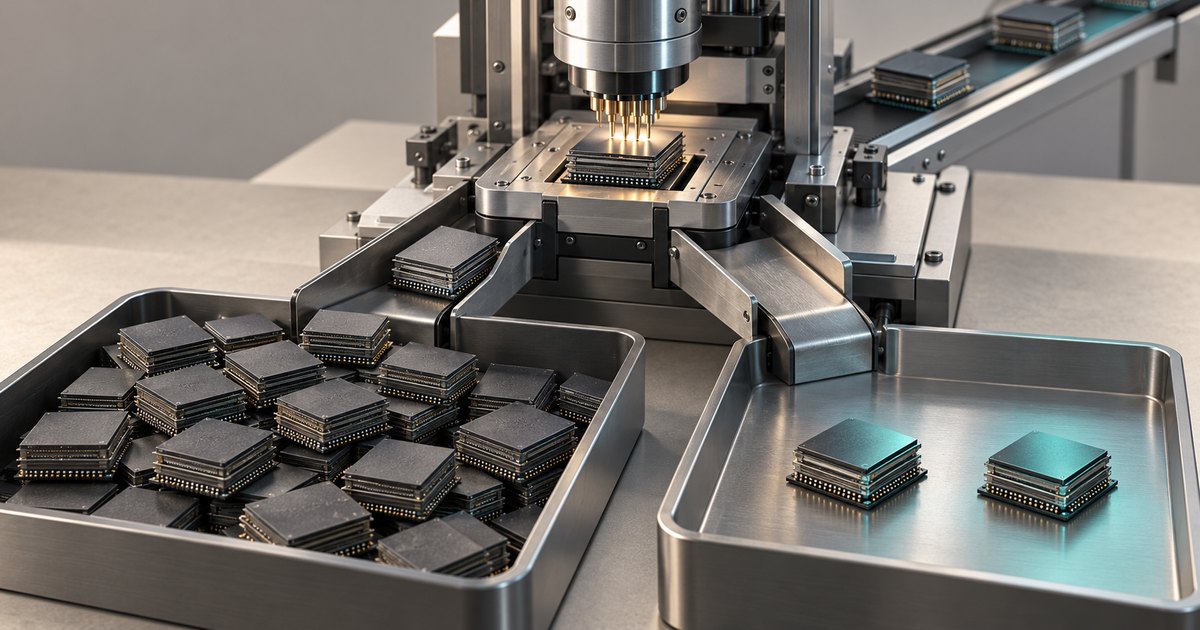
High-bandwidth memory works by stacking DRAM chips vertically and placing them right next to an AI processor. In December 2024, the US imposed export controls on HBM products, and those rules cut Chinese buyers off from the advanced memory made by SK Hynix, Samsung and other foreign suppliers. Reuters reported that the result has been an acute shortage of AI memory inside China.
Reuters tied CXMT's decision directly to that shortage.
According to the research findings relayed in the report, CXMT has shipped HBM3E samples to domestic clients for preliminary evaluation, including Alibaba's chip unit T-Head and AI chip designer Cambricon.
Who CXMT is
CXMT is China's largest maker of dynamic random-access memory, or DRAM. The same research findings cited by Reuters rank it as the fourth-largest DRAM producer globally by revenue. It runs fabrication plants in Hefei and Beijing, and it's targeting monthly DRAM capacity of about 350,000 wafers by the end of 2026, according to those findings.
Frequently asked questions
What does chip yield mean for CXMT's HBM3E?
Yield is the share of chips from each silicon wafer that pass testing and can be sold. Reuters' sources put CXMT's HBM3E yields at 20% to 30%, while SK Hynix reportedly achieves around 70% on comparable products. Neither figure has been independently verified.
Why is CXMT making HBM3E despite low yields?
The US imposed export controls on HBM products in December 2024, cutting Chinese buyers off from memory made by SK Hynix, Samsung and other foreign suppliers. Reuters reported an acute shortage of AI memory in China and said CXMT's decision reflects that shortage.