DOJ seeks $1.1 billion in frozen USDC from Binance hack without hackers' keys
In brief
- DOJ filed a civil forfeiture complaint in Washington, D.C., on Nov. 23.
- The complaint targets frozen USDC tied to 36 addresses across 18 blockchains.
- Circle would issue the government an equal amount of new USDC if the court approves.
- US authorities attributed the Oct. 29 attack to North Korea's Lazarus Group.
How the Circle workaround would work
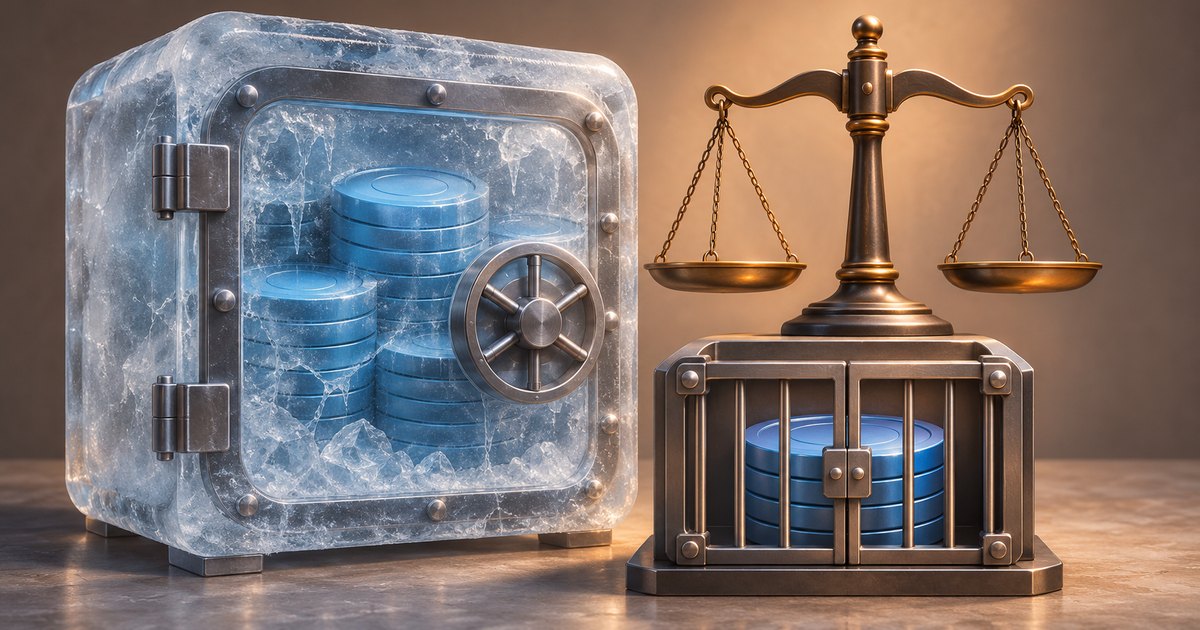
Circle had already blocked roughly $1.1 billion in USDC after the attack. Blocking isn't the same as moving, though. Circle doesn't control the private keys for those addresses (the complaint says the hackers allegedly control them), so it can't transfer the frozen tokens directly.
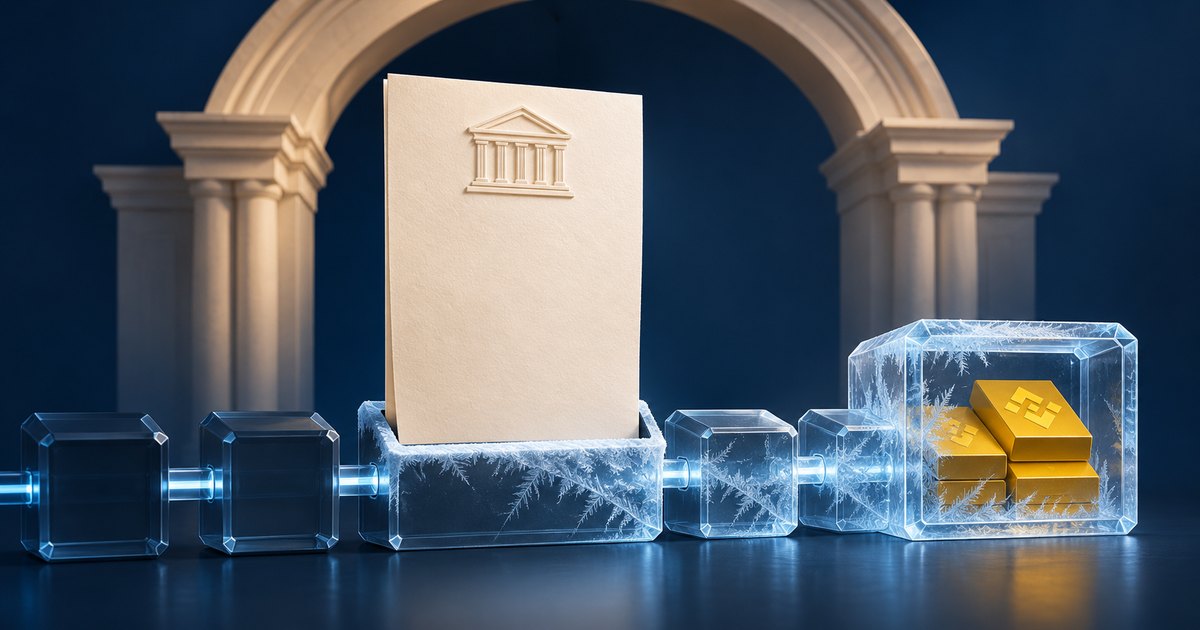
The complaint gets around that with substitution. Under the proposed arrangement, Circle would create an equivalent amount of new USDC and send it to the US government if the court approves the forfeiture. The original tokens would stay frozen where they are. The court hasn't ruled yet, and the complaint doesn't say what will eventually happen to the original tokens. Prosecutors have also asked for a further restraining order to keep the stolen USDC immobilized while the case moves forward.
Native Bitcoin and Ethereum don't offer this kind of recovery path, because no token issuer can freeze them.
The Lazarus link and the wider recovery effort
US authorities attributed the attack to North Korea's Lazarus Group. According to court filings, the attackers allegedly compromised a Binance employee with malicious software handed over during a fake recruitment interview and then took control of exchange wallets.
The Justice Department said US authorities have helped freeze, seize, or return more than $2.9 billion in crypto since the attack. The department put total losses from the attack at over $6 billion.
Binance's response
Binance confirmed it's working with US authorities and industry partners to recover stolen assets, and it said it'll keep cooperating throughout the forfeiture proceedings.
"We are coordinating closely with the US Department of Justice, as well as with industry partners who have assisted in freezing assets impacted by the incident." (Binance, in a company statement)
The exchange said earlier that it had replaced all affected customer token assets with its own funds by Nov. 13, using its corporate treasury, futures insurance fund and emergency reserves. Binance has also brought in Mandiant, SlowMist and Verichains to review its security procedures independently. Chief Security Officer Jimmy Su said the company is committed to acting on what the reviewers find. None of the reviews have produced findings yet.
Frequently asked questions
Why can't Circle just transfer the frozen USDC to the government?
Circle blocked about $1.1 billion in USDC after the Oct. 29 Binance hack, but it doesn't control the private keys for the attackers' wallets, so it can't move those tokens. Under the proposed arrangement, Circle would instead create an equal amount of new USDC and send it to the US government if the court approves the forfeiture.
What happens to the original frozen USDC tokens?
They would stay frozen in addresses that the hackers allegedly control. The complaint doesn't say what will eventually happen to them. Prosecutors have also asked for a further restraining order to keep the stolen USDC immobilized while the forfeiture case continues.