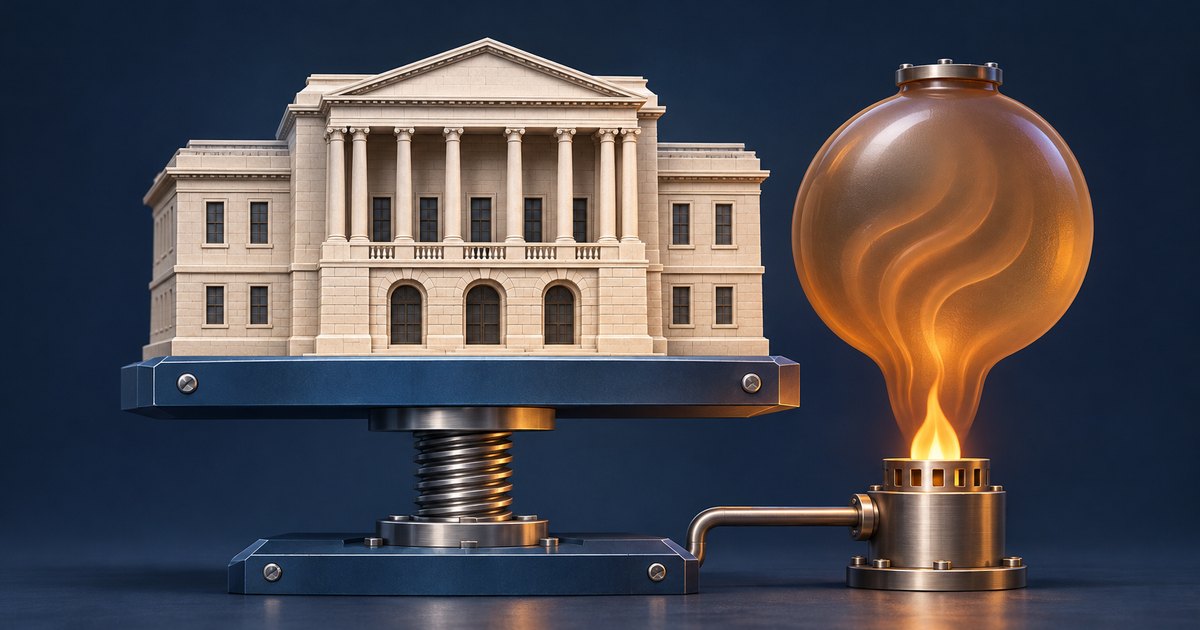
Ex-Chicago Fed president Evans says AI infrastructure boom could add to inflation risk
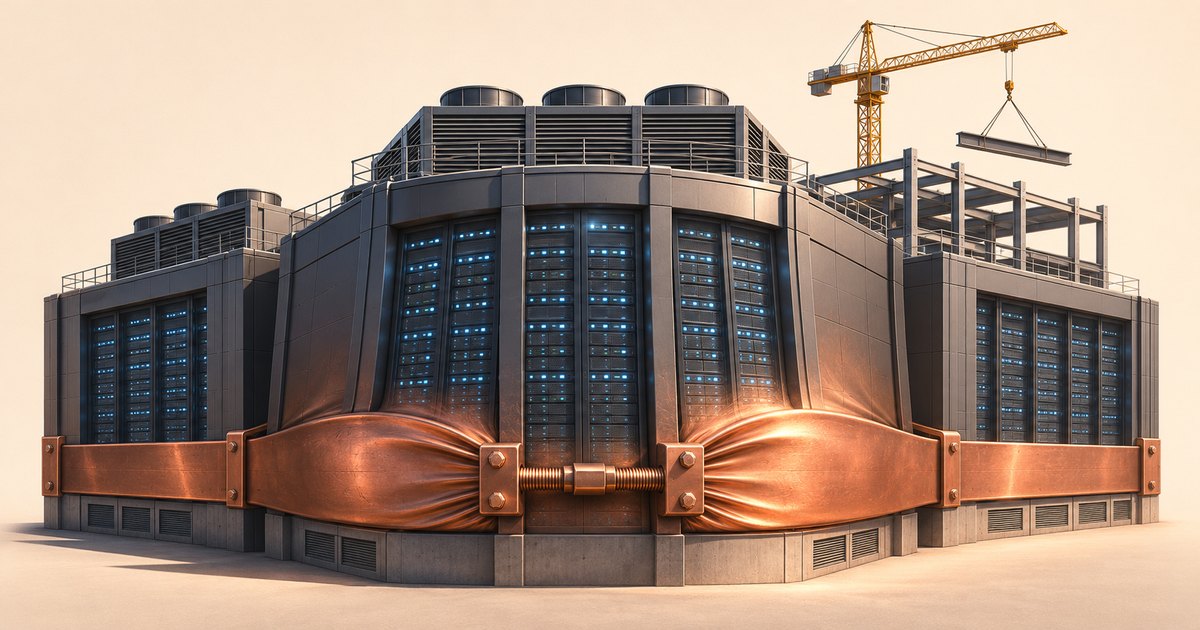
In brief
- Charles Evans, ex-Chicago Fed president, says the AI infrastructure boom could raise US inflation risks.
- Evans pointed to AI-driven demand for construction, equipment, energy and labor.
- Federal Reserve could consider more rate hikes under that pressure, in Evans's view.
- September CPI ran 3.7% year-over-year, above the Fed's 2% target, Crypto Briefing reported.
What Evans flagged
Evans's argument is about demand, not software. According to Crypto Briefing's report, the pressure points he named are construction, equipment, energy and labor (the physical inputs that AI-driven demand is pulling on). It's a supply-and-demand story. More demand for the same inputs means more upward pressure on prices, and in his view that could lead the Fed to consider more interest rate hikes.
That's Evans's read as a former Fed official, not a statement of Fed policy.
The inflation backdrop
Crypto Briefing set the remarks against an inflation reading that's already running hot. The publication reported that the U.S. Consumer Price Index rose 3.7% year-over-year in September, above the Fed's 2% target (the report didn't specify the year).
Why does that matter here? If those figures hold, inflation is running at nearly double the target, and Evans's concern is that heavy AI spending adds another source of demand on top of it. He didn't put a number on how much AI investment could add to prices, at least not in the remarks Crypto Briefing reported.
What the publication says comes next
The outlook goes beyond Evans. Crypto Briefing added its own commentary, saying upcoming Federal Reserve statements and economic data releases would be key to whether more rate hikes happen in 2026. The publication also said continued strength in nonfarm payrolls and wage growth could affect the Fed's stance on rates.
Its last point loops back to AI. Crypto Briefing said further growth in AI infrastructure investment could affect market expectations for future monetary policy, which ties the build-out directly to how traders price the Fed's next moves.
Those are the publication's views. Evans's own warning is narrower: the AI infrastructure boom, as he sees it, is one more inflation risk the Fed has to weigh, with inflation already reported above target.
Frequently asked questions
Why does Charles Evans think AI could raise US inflation?
Evans, the former Chicago Fed president, pointed to higher demand for construction, equipment, energy and labor driven by AI infrastructure investment, according to Crypto Briefing. In his view, that demand could further increase inflation risks in the U.S. economy.
Could the AI boom lead to more Fed rate hikes?
Evans said AI-driven demand could lead the Federal Reserve to consider more interest rate hikes, Crypto Briefing reported. That's his view as a former official, not Fed policy. The publication said upcoming Fed statements and data releases would be key to whether more hikes happen in 2026.