Goldman Sachs Raises KOSPI Target to 12,000 on AI Memory Supercycle
In brief
- Goldman Sachs raised KOSPI target to 12,000 by September 2026, signaling 80% upside from current levels
- KOSPI constituents projected to deliver 300–360% earnings growth in 2026, driven by AI memory demand
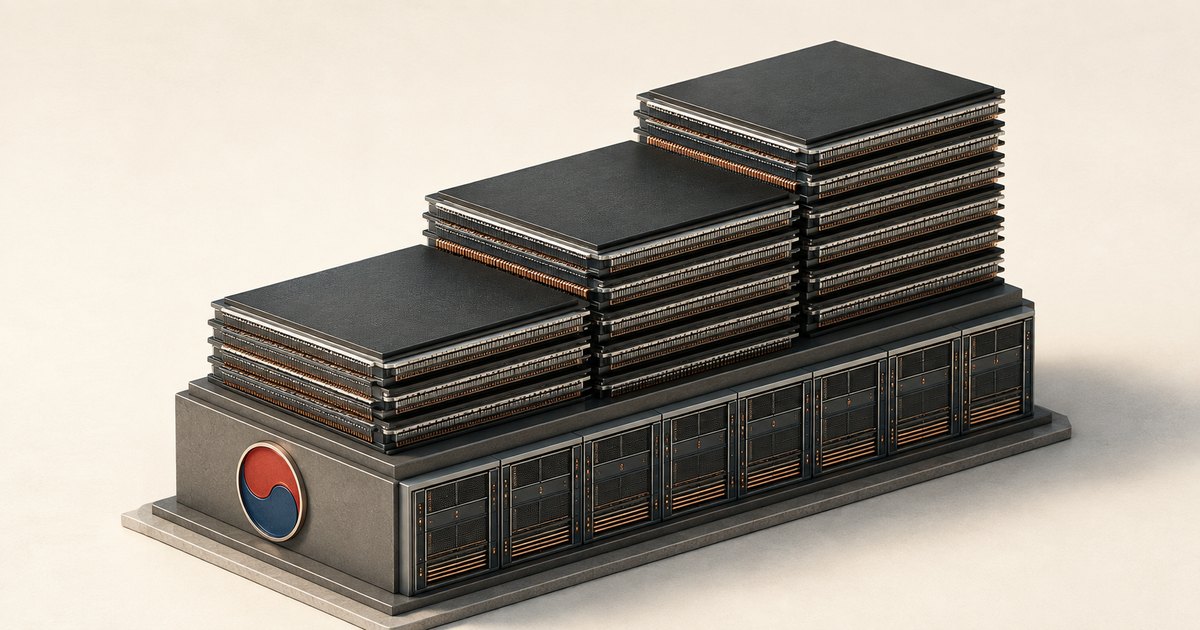
- Samsung Electronics and SK Hynix dominate high-bandwidth memory production, representing half the KOSPI's market cap
- Korean semiconductor stocks trade at 5.3x forward earnings, below seven-year average of 10–11x, suggesting underpricing
- Chinese competition in memory production remains Goldman's key structural risk to the thesis
Escalating the call
Goldman Sachs started the year with a 12-month KOSPI target of 8,000, raised it to 9,000 in June, and then pushed it to 12,000 in September. The escalation reflects Moe's conviction that the market has underestimated both the magnitude and duration of earnings growth for South Korea's semiconductor champions.
Goldman projects KOSPI constituents will deliver earnings growth between 300% and 360% for the full year 2026. That forecast hinges on two pillars: the dominant position of Samsung Electronics and SK Hynix in high-bandwidth memory production, and what Moe sees as a structural mispricing of the cycle's longevity.
The memory supercycle thesis
Samsung Electronics and SK Hynix together account for roughly half of the KOSPI's total market capitalization. Both firms produce the type of chip that AI accelerators require at a rapid pace. Goldman projects US big tech capital expenditure on AI-related spending will exceed $1.2 trillion in 2027, a substantial jump from earlier forecasts of approximately $800 billion.
"the market is mispricing how long elevated earnings for these firms will last, contending that an AI-driven supercycle anchored to infrastructure buildout is only partway through its first phase" — Timothy Moe, Goldman Sachs chief Asia Pacific equity strategist
Moe's argument cuts against consensus. Korean semiconductor stocks, by Goldman's analysis, are trading as though the AI capex cycle will end abruptly. By contrast, US semiconductor stocks trade at multiples that already price in significant earnings growth. The imbalance is stark: the KOSPI currently trades at approximately 5.3 times forward earnings, compared to a seven-year historical average of 10 to 11 times.
The structural risk
Goldman doesn't ignore downside scenarios. Chinese manufacturers have been expanding capacity in memory production but have not yet matched Korean firms in advanced memory categories. Still, any acceleration in Chinese technological catch-up would compress margins at Samsung and SK Hynix faster than Goldman's current model assumes. Goldman flags Chinese competition in the memory sector as the structural risk most explicitly.
The reaffirmed target rests on a narrow thesis: that AI infrastructure demand will sustain elevated memory pricing and margins far longer than the market is currently pricing in. Execution risk remains real.