Iran declares restricted zone outside Strait of Hormuz, threatens vessel sanctions
In brief
- Iran established Persian Gulf Strait Authority to enforce stricter Strait of Hormuz transit rules
- Supervisory zone expanded tenfold, now stretching from Iran to southern UAE
- 20% of global oil and LNG flows through strait, exposing energy markets to geopolitical risk
Expanded supervisory zone and new transit rules
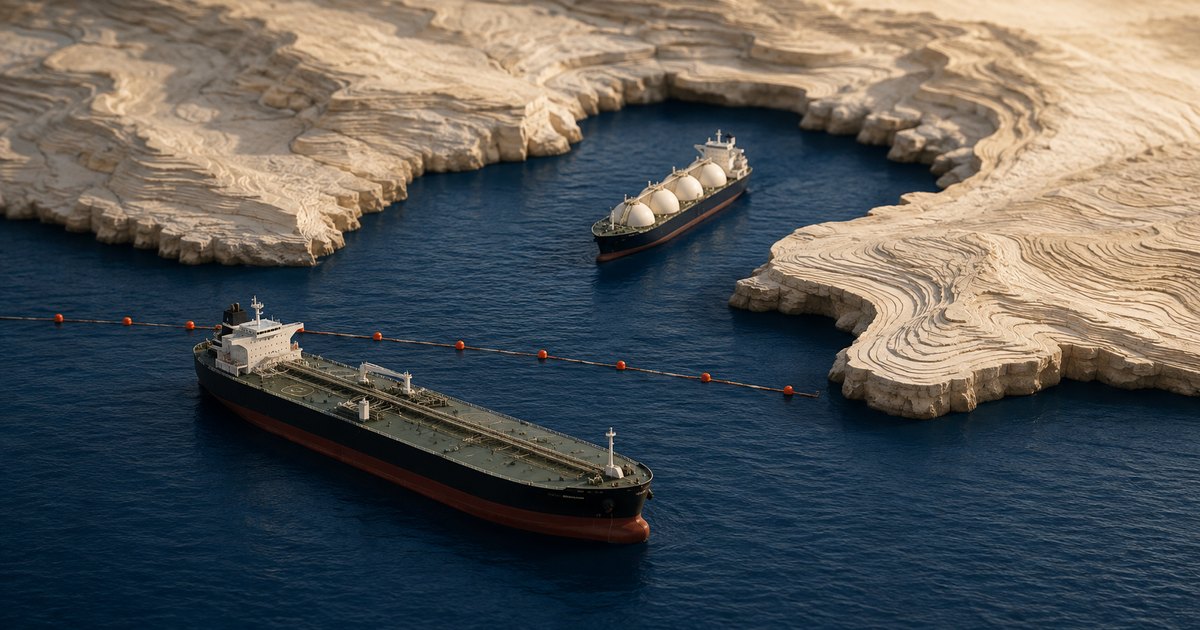
The supervisory zone has expanded to cover an area ten times wider than before, stretching from Kuh-e Mobarak in Iran to southern Fujairah in the United Arab Emirates. Under the new framework, only routes specifically designated by Iranian authorities are permitted. All others are off-limits, and ships are required to maintain active contact with Iranian naval forces while in transit.
Iran has already issued turn-back orders and reported incidents involving tankers that used unapproved routes in June 2026. The enforcement signals Tehran's intent to tighten control over one of the world's most vital shipping lanes.
Geopolitical standoff and rejected alternatives
Both Oman and the International Maritime Organization proposed alternative shipping corridors to ease pressure on commercial traffic. Iran rejected these proposals in June 2026. Talks with Oman have produced some movement, yielding agreements for temporary shipping corridors under joint management, though these remain contingent on broader geopolitical concessions, including US acceptance of Iran's oversight terms.
"The country plans to declare a restricted zone outside the Strait of Hormuz and impose sanctions on any vessel that enters without authorization." — Iran's announced policy
Market impact and insurance costs
Shipping traffic through the strait has fallen below pre-conflict levels, and oil prices have risen in response to the tightening of access. Insurance premiums for vessels transiting the region have climbed as underwriters price in the elevated risk of enforcement incidents.
LNG shipments from Qatar, one of the world's largest exporters of the fuel, also transit the strait. European buyers who depend on those shipments now face direct exposure to the geopolitical chokepoint risk. These developments are unfolding against the backdrop of fragile post-conflict negotiations following hostilities between the United States and Israel that began on February 28, 2026. The outcome of those talks will likely shape Iran's enforcement posture in the months ahead.