Iran strikes trigger 25% oil surge, strain developing economies
In brief
- Iran strikes (Feb 28, 2026) spike Brent crude 25% to ~$90/barrel
- Strait of Hormuz tanker traffic falls to 2.2M barrels/day; Iran exports drop 85%
- Developing Asia faces $160B energy import bill; European diesel up 70%
- US Strategic Petroleum Reserve hits 1980s lows; Middle East refining cut 20%
The February shock and crude's climb
US and Israeli forces struck Iran on February 28, 2026, and oil markets responded swiftly. Brent crude rose approximately 25%, trading at roughly $90 per barrel—a level that would have seemed extreme just months earlier. The initial surge reflected fear of supply disruption and geopolitical risk premiums baked into every contract.
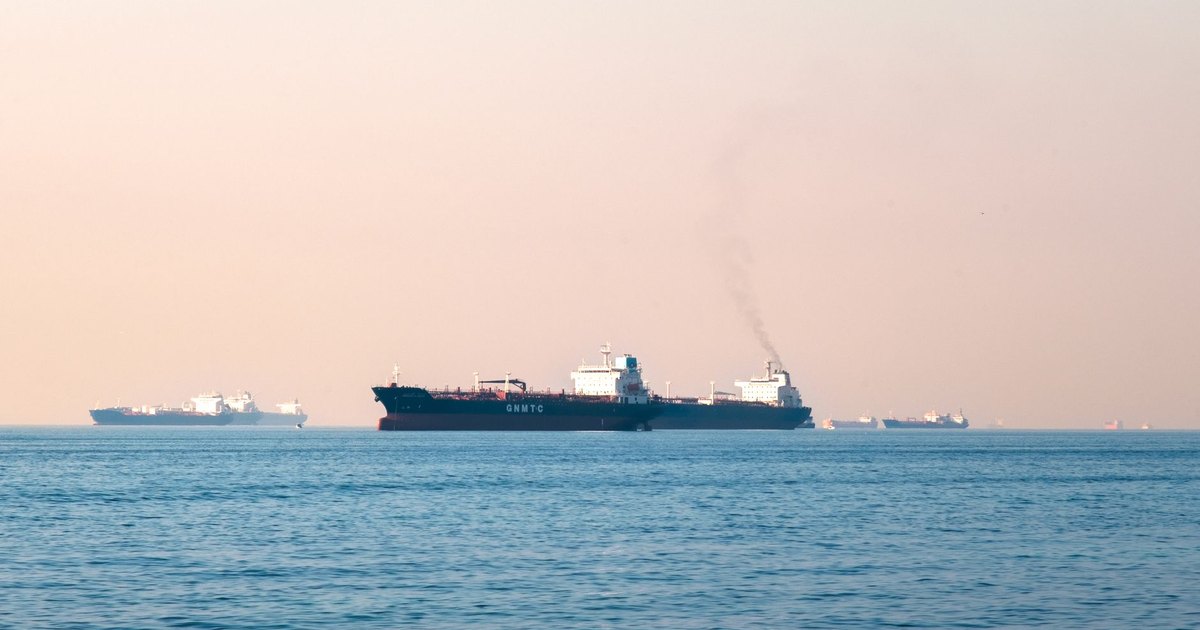
But the real damage unfolded over time. Before the war, approximately 20% of global seaborne oil moved through the Strait of Hormuz. That chokepoint is now a flashpoint. Tanker traffic through the Strait of Hormuz fell to approximately 2.2 million barrels per day as of August 2026—a collapse that left refineries scrambling for alternatives.
Iran itself has been crippled. Exports have dropped to around 250,000 barrels per day, an 85% reduction from pre-war levels. That's not just a statistical loss. It's an economic catastrophe for Tehran. Annual inflation reached 66% in July 2026, hollowing out purchasing power across the country.
Refining crunch and reserve depletion
Middle Eastern refining output has been cut by roughly 20% since hostilities began. That's a staggering reduction in productive capacity. Refineries that fed Europe and Asia for decades are running at fractional rates or idle.
The US and its allies tried to cushion the blow. The US, coordinating with European allies, released oil from strategic petroleum reserves in the months following the February strikes. It wasn't enough. The US Strategic Petroleum Reserve has now fallen to its lowest level since the 1980s. That's a warning. The next disruption arrives with a much thinner safety net than the one that cushioned the initial shock in February.
Asia's burden
Developing Asia has borne the sharpest pain. Developing Asia's total energy import bill is projected to reach $160 billion for 2026. That's not money flowing to energy—it's money drained from development, healthcare, and education budgets in economies already stretched thin.
European diesel has borne the sharpest pain on the consumer side, rising more than 70% since the conflict began. Households feel it at the pump. Trucking fleets pass costs to retailers. Inflation spreads.
The global energy order has shifted in half a year. Geopolitics now trumps market fundamentals. Supply chains that took decades to build are fractured. And the reserves that once steadied shocks are nearly gone.
Frequently asked questions
Why did oil prices surge after the Iran strikes?
The February 2026 strikes threatened supply from a major producer and disrupted tanker traffic through the Strait of Hormuz, which carries roughly 20% of global seaborne oil. Brent crude rose approximately 25% as markets priced in supply risk and geopolitical uncertainty.
How much has Iran's oil production fallen?
Iran's oil exports dropped to around 250,000 barrels per day, an 85% reduction from pre-war levels. The country's annual inflation reached 66% in July 2026 as export revenue collapsed.
What's the impact on developing economies?
Developing Asia faces a projected $160 billion energy import bill for 2026. European diesel prices have risen more than 70% since the conflict began, straining household and industrial budgets across the region.