Jason Calacanis Calls Meme Coins a 'Giant Scam,' Warns Investors
In brief
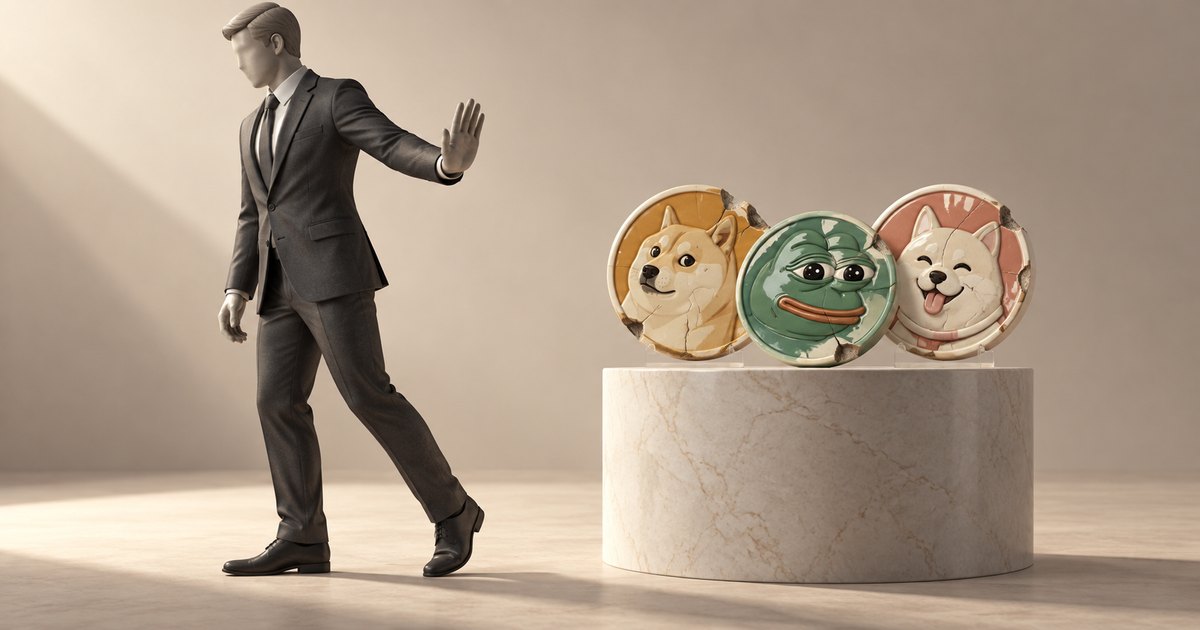
- Calacanis branded meme coins a giant scam and distanced himself from all projects
- He warned investors against buying meme coins unless prepared to lose 100% of capital
- Calacanis maintains skeptical stance toward Bitcoin despite claiming fan status
Calacanis Draws a Clear Line
Calacanis stated he has nothing to do with any meme coin projects and never will. He also warned that he would never privately approach anyone with investment instructions, nor would he ask people to buy, sell, or trade anything on social media or via direct message. The warnings appear designed to preempt any schemes falsely attributed to his name.
"Don't buy meme coins or invest in startups if you can't afford to lose 100% of the money you put down," he wrote. The message is straightforward: retail investors should only risk capital they're willing to forfeit entirely.
A Skeptic on Bitcoin Too
Despite describing himself as a fan of Bitcoin, Calacanis has recently adopted a distinctly skeptical tone toward the broader crypto market. On September 18, he described Bitcoin's price recovery as a "dead cat" bounce while questioning the cryptocurrency's relevance. He's argued that Bitcoin is poorly suited for everyday transactions and smart contracts, and predicted it would not reach a new all-time high anytime soon.
His critiques extend to prominent Bitcoin advocates. Calacanis has repeatedly poked fun at Michael Saylor, the MicroStrategy co-founder and corporate Bitcoin buyer. In August, he jokingly asked followers to "check on Saylor" during a period of Bitcoin weakness, suggesting the volatility was taking a toll on the executive.
The broader message from Calacanis is one of caution. Meme coins lack fundamental value. Bitcoin, in his view, faces structural challenges. Retail investors should protect themselves by only risking what they can afford to lose.