Luxor raises $16 million to build AI hardware brokerage and compute trading
In brief
- Luxor raised $16 million in a CMT Digital-led round, with Canaan and MicroBT also investing.
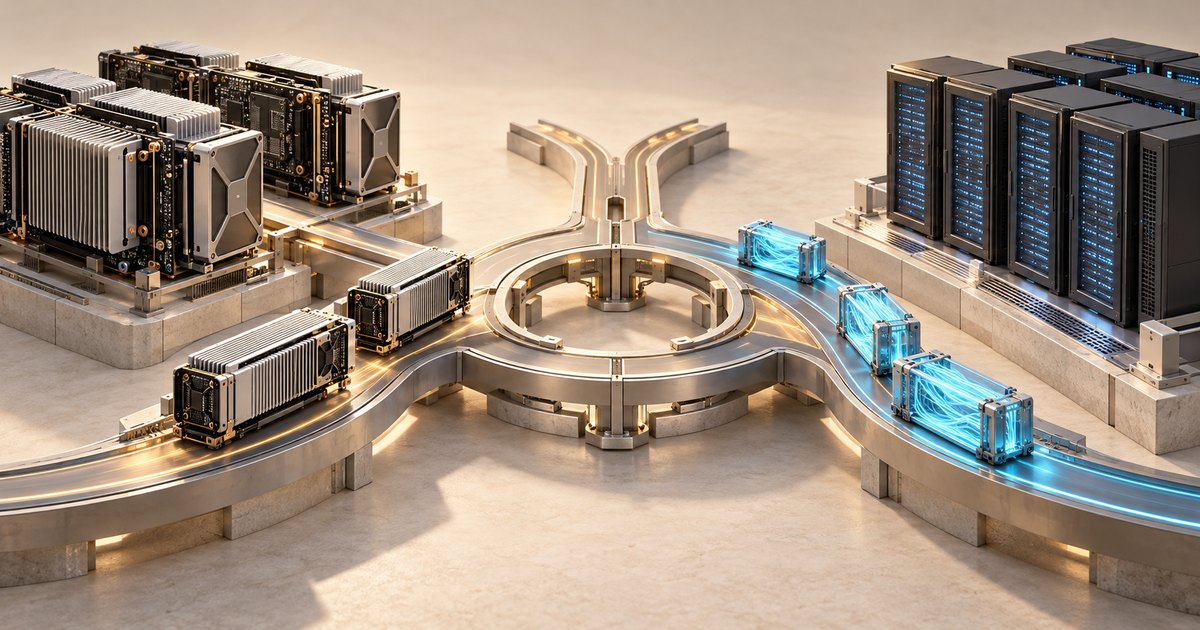
- Proceeds go to Luxor's AI hardware brokerage and computing-power trading business.
- Luxor didn't disclose how much of the round was new investment versus share sales.
- Public bitcoin miners signed over $70 billion in AI and HPC contracts by March, per CoinShares.
Who backed the round
Bitcoin mining equipment makers Canaan and MicroBT also invested, CoinDesk reported. The round included both new investment and sales of existing shares (Luxor didn't say how much of the $16 million was fresh capital for the company).
That split hasn't been made public.
Miners are already pivoting to AI
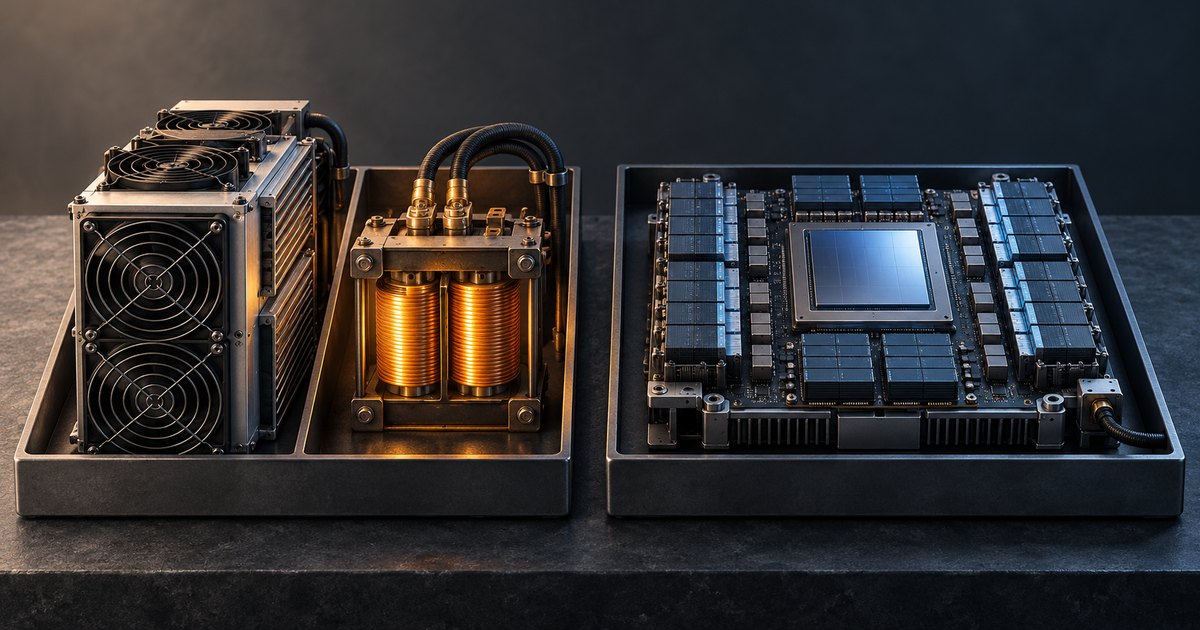
Bitcoin mining companies are increasingly renting out computing power and converting mining facilities into data centers. According to CoinShares data cited by CoinDesk, publicly traded bitcoin miners had signed more than $70 billion worth of AI and high-performance computing contracts by the end of March. Some firms are still expanding mining, too. Nasdaq-listed NIP Group (NIPG) announced plans last week to increase its mining capacity by about 48%, and the company said it expects to generate about 195 bitcoin a month at full deployment.
Luxor COO Ethan Vera told CoinDesk that the company's software business works with bitcoin miners representing nearly two gigawatts of power capacity. After assessing more than half of that capacity, Luxor found most sites had sufficient electricity and fiber connections for AI workloads. They'd still need new data centers, though.
A hedging market for compute
Luxor is expanding into contracts that let buyers and sellers agree on future computing prices, much as bitcoin miners use financial contracts to manage changes in mining revenue. It already offers privately negotiated contracts tied to computing rental prices, although that market's still developing.
CMT Digital partner Sam Hallene said AI companies have different reasons to protect themselves against price changes, including the possibility that expensive computing equipment stays useful longer than expected.
"We don’t know exactly what the market structure will look like at the end of the day," Hallene told CoinDesk.
Vera said transparency remains a problem, particularly around AI hardware prices. In August, Luxor introduced a price index that tracks daily asking prices for Nvidia AI server systems, giving buyers a reference point for what that equipment costs.
Frequently asked questions
What is Luxor's computing-power trading business?
Luxor is expanding into contracts that let buyers and sellers agree on future computing prices, similar to how bitcoin miners use financial contracts to manage mining revenue. It already offers privately negotiated contracts tied to computing rental prices, though that market is still developing.
Why are bitcoin miners moving into AI?
Bitcoin mining companies are increasingly renting out computing power and converting mining facilities into data centers. According to CoinShares data cited by CoinDesk, publicly traded miners had signed more than $70 billion worth of AI and high-performance computing contracts by the end of March.
Are bitcoin mining sites ready for AI workloads?
Luxor COO Ethan Vera told CoinDesk the company's software business works with miners representing nearly two gigawatts of capacity. After assessing more than half of it, Luxor found most sites had sufficient electricity and fiber connections for AI workloads but would require new data centers.