

Topic: #mining
-

Iran crypto mining drains 14% of summer grid deficit, Majlis warns
Iran's Majlis Research Center found that cryptocurrency mining operations consume 930–1,200 megawatts of electricity, representing roughly 14% of the country's power deficit during peak summer months and draining $1.5 billion annually in diesel fuel costs.
-

Riot Platforms Repays $200M Coinbase Credit, Frees 5,821 BTC
Riot Platforms completed early repayment of a $200 million credit facility with Coinbase Credit on September 21, freeing approximately 5,821 BTC (valued at $340.7 million) from collateral and boosting the miner's financial flexibility ahead of major data-center deployments.
-

House crypto tax bill omits mining and staking reward deferral
The House Ways and Means Committee will consider a 114-page crypto tax package on Wednesday that restructures treatment of fees, stablecoins, and loans but excludes provisions allowing miners and stakers to defer taxation of rewards until sale.
-

ERG: Military-backed intruders resume illegal cobalt extraction at Metalkol
Eurasian Resources Group says soldiers and armed cooperatives have resumed illegal mining at its Metalkol cobalt operation in Congo's Kolwezi region, threatening to slash the mine's operational life and jeopardizing billions in future revenue amid enforcement gaps in the DRC's mining sector.
-

Hyper Foundation controls 49% of staked HYPE, raising centralization concerns
The Hyper Foundation's validators control roughly 49% of all staked HYPE tokens, concentrating governance power and creating security risks on Hyperliquid's Layer 1 blockchain. No announced plan exists to diversify validator control.
-

Bitcoin Miners Halt Sales After $30B AI Infrastructure Pivot
Major Bitcoin miners have stopped selling mined coins and shifted to holding mode after redirecting over $30 billion toward AI infrastructure, creating a supply squeeze on exchanges and signaling a structural shift in miner behavior.
-

Standard Chartered launches Bitcoin, Ether trading in UAE
Standard Chartered became the first Global Systemically Important Bank to offer institutional digital asset trading in the UAE, while Hyperscale Data ended Bitcoin mining to make room for an AI data center customer worth up to $3 billion over 20 years. New Jersey challenged federal authority over prediction market sports betting.
-

Bitcoin miner rejects BIP-110 despite Ocean pool backing
Simple Mining, operating through Ocean pool, used the DATUM protocol to independently reject BIP-110, a proposal to block non-financial data storage in Bitcoin transactions. The miner's block 961,634 continued the main chain while BIP-110 supporters' minority fork stalled after just two blocks.
-
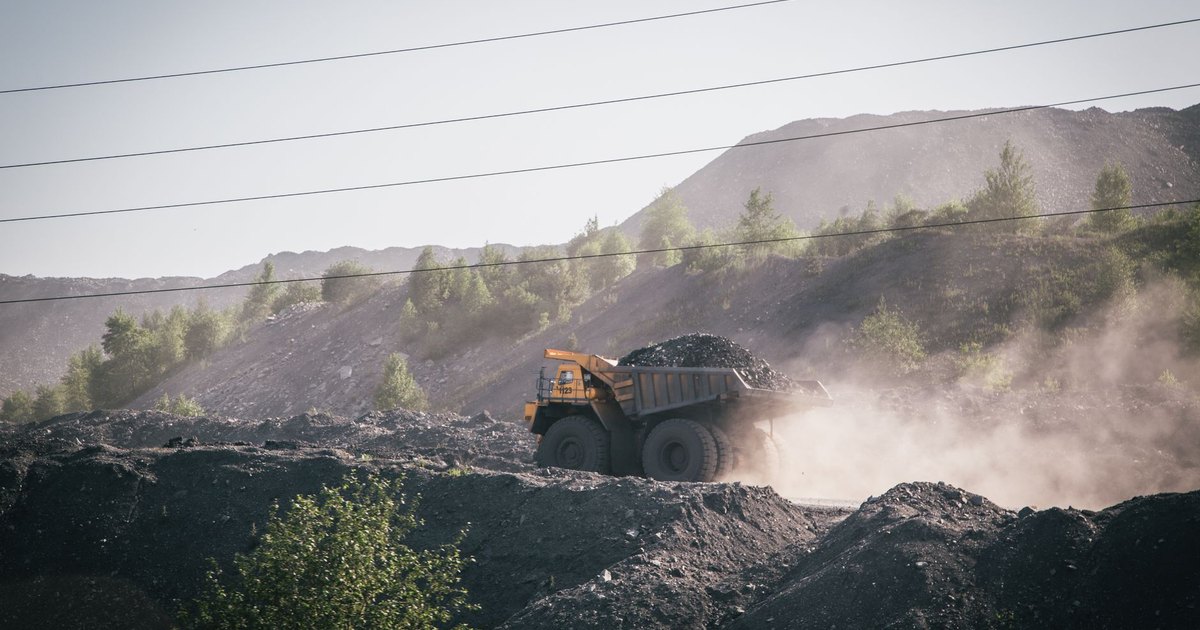
Trump convenes mining CEOs to secure critical minerals for defense
President Trump is hosting a roundtable with top mining executives on August 7 to advance a $12 billion national mineral stockpile initiative and restrict defense contractors' reliance on foreign suppliers, targeting China's dominance in rare earth processing.
-

Citadel forecasts $500B in AI chip debt by 2028, reshaping credit markets
Technology companies are projected to issue more than $500 billion in debt by 2028 to finance AI data center chips, according to Citadel Securities. The borrowing wave could reshape investment-grade credit markets and influence crypto mining costs.
-

PowerCompute's $18M Bitcoin bridge loan deadline passes with no disclosure
PowerCompute's US Digital subsidiary borrowed $18.07 million from Arch Lending on a 4-day bridge note due August 1, representing 97% of its Bitcoin treasury. As of press time, no SEC filing or statement confirmed whether the loan was repaid, extended, or defaulted.
-

Poolin Bitcoin mining pool files Chapter 11 with $163.7M in IOUs
Poolin Technology and its Texas affiliates filed for Chapter 11 bankruptcy on July 22, owing 11,700 wallet users $163.7 million in unsecured IOUs. Opening bids for asset sales total $52 million, or roughly 31.8% of the debt owed.
-

Poolin Bitcoin Mining Pool Files Chapter 11 Bankruptcy With $173M Debt
Poolin, which once controlled nearly a fifth of Bitcoin's global hashrate, has filed for Chapter 11 bankruptcy protection in New Jersey with debts around $173 million. The Singapore-based mining company and its two U.S. affiliates are liquidating assets, including a $52 million bid on two West Texas mining sites.
-

Dogecoin Co-Founder Markus Opposes Merge Mining Removal
Billy Markus, Dogecoin's co-founder, has criticized proposals to end merge mining with Litecoin, arguing the change would solve no real problem and undermine a decade-old security arrangement that protects DOGE from 51% attacks.
-

Coinbase CEO Armstrong Rejects AI Mining Exodus Theory
Coinbase CEO Brian Armstrong pushed back against billionaire Chamath Palihapitiya's prediction that AI profits will drain Bitcoin miners, arguing the network's automatic difficulty adjustment and global monetary policy—not electricity costs—determine Bitcoin's price.
-

Solo Bitcoin miner nets $200K with $150 Bitaxe in 8-hour run
A hobbyist using a $150 open-source ASIC miner struck Bitcoin block 957,382 in just eight hours on Public Pool, earning 3.1382 BTC worth approximately $200,000. Solo mining has surged 41% year-over-year, with 24 blocks claimed in the past 12 months.
-
Thailand issues arrest warrants for Chinese businessman in $300M crypto mining fraud
Thai authorities have issued arrest warrants for eight suspects, including Chinese businessman Wang Yicheng, tied to an illegal crypto mining network allegedly laundering approximately $300 million annually through online scams and gambling operations.
-

Bitcoin Trading Below $78K Mining Cost, Squeezing Operators
Bitcoin has spent five consecutive months trading below its estimated production cost of $78,000, forcing about 20% of miners into unprofitability and prompting publicly traded operators to sell over 32,000 bitcoin in the first quarter alone.
-

HIVE shares jump 10% on $220M Canada sovereign AI infrastructure deal
HIVE Digital Technologies announced a three-year, $220 million GPU cloud contract with Bell Canada and Cohere to deploy Nvidia Grace Blackwell processors at a facility in British Columbia, supporting Canadian government and corporate AI clients while adding roughly $70 million in annual recurring revenue.
-

Bitcoin mining difficulty drops 10% in 11th-largest adjustment
Bitcoin's mining difficulty fell 10.09% on Sunday to 124.93 trillion, the second-largest drop of 2026, as hashrate declines and June's 15% price drop squeeze miner margins.
-

Bitcoin mining difficulty drops 10.3%, second-largest 2024 decline
The Bitcoin network faces one of its steepest mining difficulty adjustments in history this weekend as miner margins collapse under relentless price pressure. The 10.3% reduction would rank as the second-largest drop in 2024 and the 11th-largest since Bitcoin's 2009 inception.
-
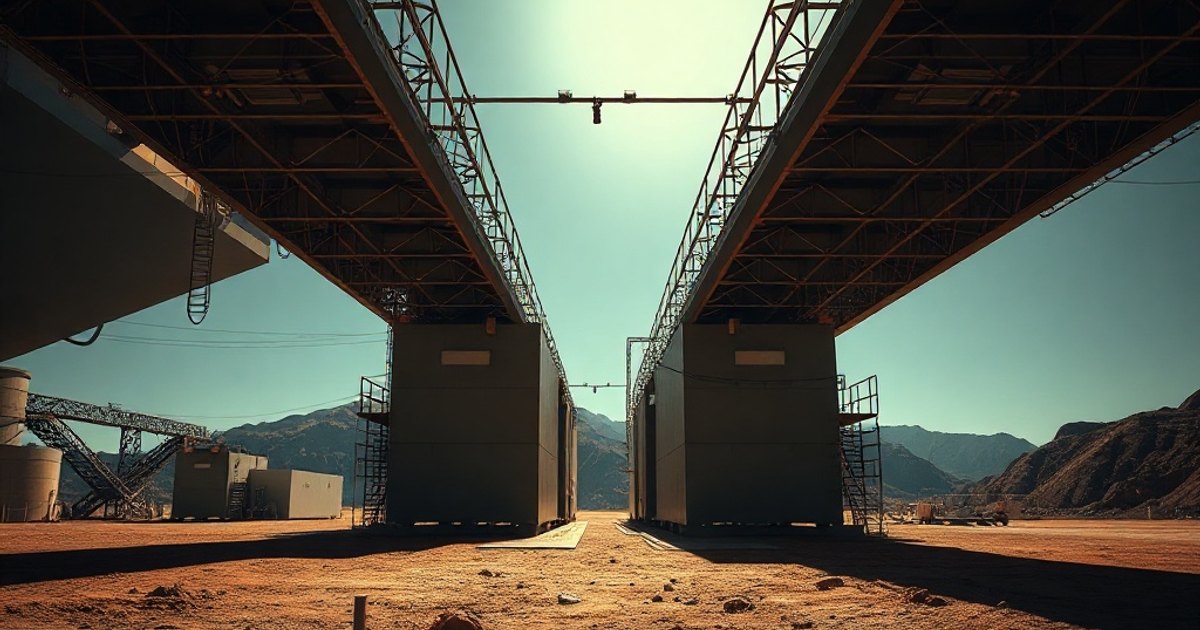
HIVE completes 200 MW Bitcoin mine in Paraguay using Itaipú Dam power
HIVE Digital Technologies finished Phase 2 of its Yguazú facility in Paraguay in September 2025, reaching 200 megawatt capacity and mining over 8 Bitcoin daily. The operation taps into Paraguay's hydroelectric surplus from the Itaipú Dam, though rising tariffs and illegal mining pose regulatory risks.
-

HIVE Digital cuts Bitcoin holdings to 150 BTC as mining revenue soars 158%
Canadian Bitcoin miner HIVE Digital Technologies sold 331 BTC in its latest quarter, reducing reserves to 150 coins, while fiscal 2026 revenue climbed to $297.8 million driven by mining and AI computing expansion.
-

Powell Warns Fed Credibility at Risk if President Can Fire Officials
Federal Reserve Chair Jerome Powell warned that allowing a sitting president to dismiss Fed officials over policy disagreements would collapse the institution's credibility and destabilize markets. Powell's comments come as President Trump has threatened to remove him, and as central bank independence faces renewed political pressure.