Meta launches Ray-Ban smart glasses Gen 3 with AI and hearing-aid mode
In brief
- Meta debuted third-gen Ray-Ban glasses with Muse AI at Connect on September 23
- Camera-free audio variant starts at $349, addressing privacy concerns
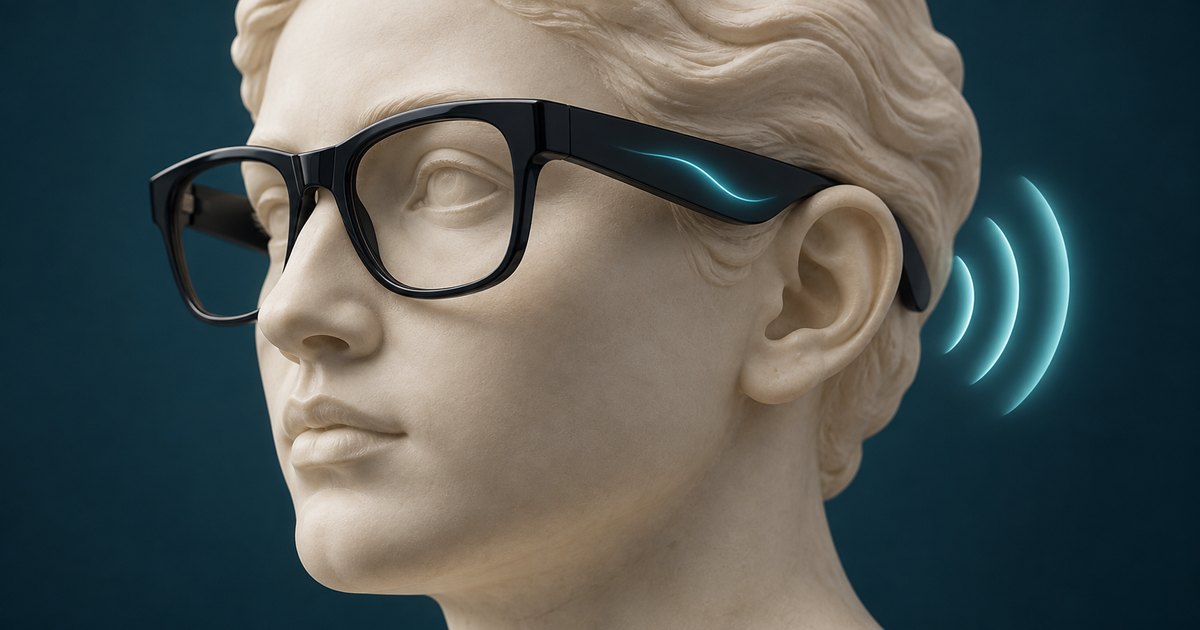
- Hearing-aid mode enhances accessibility for users with hearing loss
A Familiar Partnership, New Form Factors
Meta's smart glasses journey began in 2021 with the original Ray-Ban Stories, a collaboration with EssilorLuxottica that continues today. EssilorLuxottica brings manufacturing expertise, global retail distribution, and fashion credibility to the partnership. The second generation arrived in late 2023 with a 12-megapixel camera and a $299 price tag, establishing Ray-Ban as Meta's primary consumer hardware line.
Now, the third generation doubles down on that strategy. The camera-free Ray-Ban Meta Audio line starts at $349, offering audio-only functionality without a lens camera. This isn't a limitation—it's a direct response to privacy concerns that have haunted wearable tech since Google Glass. Consumers worried about being recorded in public can now wear smart glasses for audio and AI assistance alone.
Privacy, Accessibility, and Market Expansion
"The lineup comes with a twist: a camera-free audio variant and a built-in hearing-aid mode." This dual approach signals Meta's intent to capture multiple market segments at once. The hearing-aid integration is particularly significant—it positions smart glasses as accessibility tools, not just consumer gadgets. Users with hearing loss can now wear fashionable frames that double as corrective audio devices.
The new models integrate Meta's Muse AI assistant, the same system in Meta's own-branded Adventurer and Fury models. Those launched in June 2026 at $299 with 12 MP cameras, creating a portfolio that spans price points, privacy preferences, and use cases.
This expansion reflects Meta's broader hardware strategy. By offering camera-equipped and camera-free variants, hearing-aid and standard audio modes, and both Ray-Ban and house-branded options, the company is building redundancy into its wearables ecosystem. If one product faces regulatory pushback or consumer backlash, others remain in market. It's a hedge against the uncertainty that's defined smart glasses since the Google Glass era.